
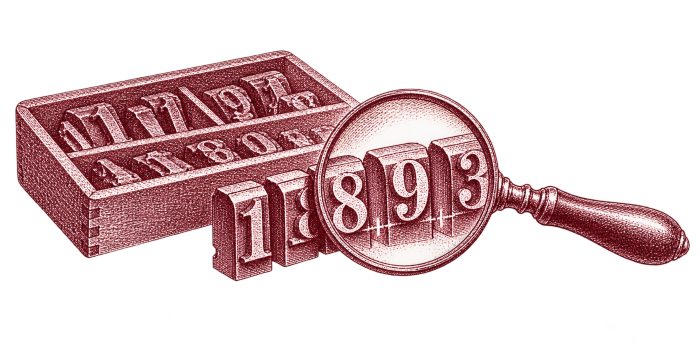


I-L1
Dot at the bottom of the line between "2" and the first "L"
 TurulStamp
This volume accompanies the Turul stamp catalogue. It helps collectors find documented plate flaws and other printing varieties, identify paper types, and compare shades. The first volume presents the basic stamp data and catalogue values.
Collecting Turul stamps involves much more than assembling issues and denominations. Examining the design, value, perforation, watermark, paper and colour together reveals many further varieties, from common curiosities to rare items that may add value.
Finding flaws takes patience and comparison. A small dot or blurred detail alone does not prove a recurring plate flaw. The reference images show where and what to look for; the entire stamp must always be considered when making an identification.
My aim is to present the rich world of Turul stamps through practical illustrated guides. Future editions may include new images and confirmed observations. Postmarks, perfins and occupation issues are separate collecting fields and are outside the scope of this volume.
Enjoy exploring and good luck with your search!
Bartha László · philatelist
2027
Use the section menu to jump directly to the part you want.
| Preface | 3 |
|---|---|
| How to use this volume | 6 |
| How were Turul stamps made? | 7 |
| Plate flaws and varieties | 13 |
| Flaw fields on the stamp | 14 |
| Stamp design types I and II | 15 |
| Flaw Field I (FILLÉR inscription) | 17 |
| Flaw Field II (KORONA inscription) | 27 |
| Flaw Field III (Value numerals) | 29 |
| Flaw Field IV (MAGYAR KIR. POSTA) | 33 |
| Flaw Field V (Stamp design: Turul bird, background) | 35 |
| Watermark III · Large Crown · 1900 | 39 |
| Watermark flaws · 1900 | 40 |
| Watermark IV · Small Crown · 1904 | 45 |
| Watermark flaws · 1904 | 46 |
| Watermark IV · Small Crown · 1906 | 49 |
| Watermark flaws · 1906 | 50 |
| Watermark V · Crown · 1908 | 53 |
| Watermark flaws · 1908 | 54 |
| Watermark VI · Crown · 1909 | 57 |
| Watermark flaws · 1909 | 58 |
| Watermarks VII and VIIa · 1913 | 65 |
| Printing Errors and Varieties | 67 |
| Paper types | 69 |
| Using the colour catalogue | 75 |
| Sources and notes | 87 |
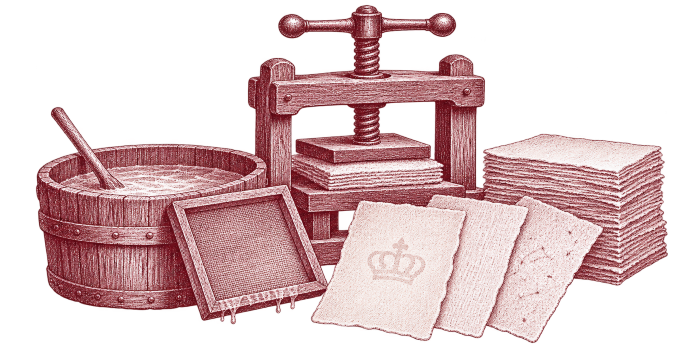
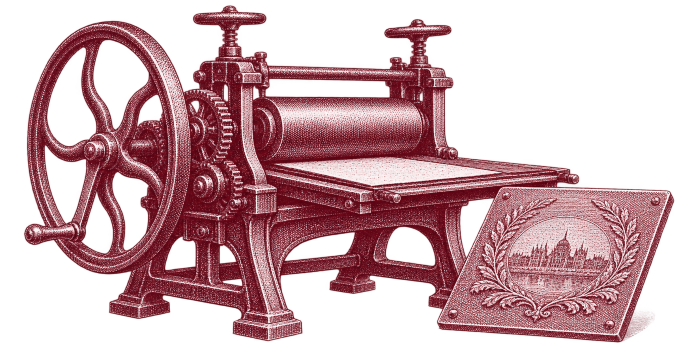
To understand a stamp, it is useful to review the successive stages of its manufacture. Printing the design, adding the value, choosing the paper and ink, and processing and perforating the sheets took place in separate stages. The risk of errors increased at the transition between stages.
The design and the value should therefore be examined separately. The position, shape or absence of the black value numerals is a different kind of variation from wear or damage to the printing plate carrying the frame, inscription or Turul design.
Issues were produced to provide a stock for roughly four months. When stocks ran low, the State Printing Works received another order, mixed the colour again and resumed production with the printing plates. Small differences could arise, producing individual or distinctive, sometimes valuable, varieties.
Finished stamps were supplied for postal use in sheets of 100. Production and reorder quantities depended on the consumption of each denomination: commonly used rates required more stamps than less frequently requested services.
The following pages consider reprints, perforation and the significance of production varieties. The flaw catalogue then helps identify specific details.
Denominations were consumed at different rates, so they were not reprinted the same number of times. More production runs and colour shades can occur for frequently used denominations.
Turul stamps were produced over an extended period. Paper, watermarks and perforations changed, and printing plates were replaced when necessary. Collectors classify these differences by issue year, type and variety.
Production numbers are a useful guide, but they are not the number surviving today. Many stamps were used, discarded or damaged; others survive on complete covers. Production figures alone cannot provide a reliable estimate of the number of complete sets that remain.
In volume I, a known first-printing quantity is shown separately. Where it is unknown, the total quantity is repeated in that field. A zero for the number of printings means the figure is unknown.
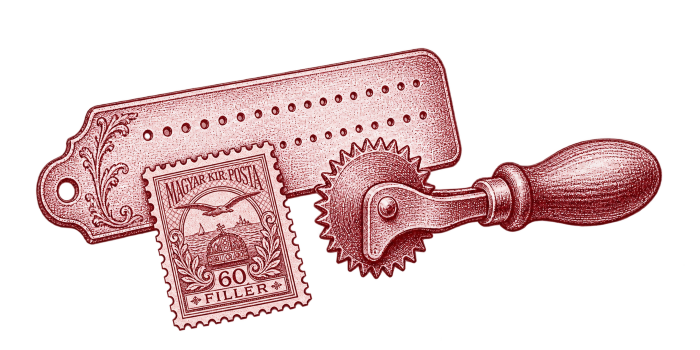
Perforation is one of the first characteristics to check. The perforation gauge denotes the number of perforation holes per two centimetres. 12:11¾ means gauge 12 horizontally and 11¾ vertically; 11½ denotes the same gauge on all sides.
Comb perforation produces three perforated sides in one operation. Line perforation is performed in separate rows. Corner formation is therefore a useful clue, but one corner alone cannot replace examination of the whole stamp and its perforation gauge.
The condition of the stamp and the properties of the paper also matter. A broken tooth, tear or subsequently trimmed edge is different from a manufacturing perforation variety. An imperforate variety should not be identified solely from the absence of teeth.
Examining denomination, issue year, watermark and perforation together helps identify the type. Rare or unusual perforations should be compared particularly carefully with established data.
Besides variations caused by damage, breakage or wear to a printing plate, incidental printing phenomena also occur. An ink dot, drop or blurred area is not necessarily a recurring plate flaw.
Design flaws, value numeral varieties, watermark flaws and perforation irregularities are separate aspects of examination. The flaw field and the complete flaw code form the basis of identification.
Several varieties may occur on one stamp. A single example can combine a design flaw and a value numeral variety with distinctive paper or a watermark. Record each characteristic separately.
This volume is an illustrated guide to documented varieties. Individual observations can be safely included in future editions when their production origin and identification are adequately supported.
The style, thickness and relative positions of the value numerals are identifying features in their own right. For two-digit denominations, the distance between the digits can distinguish varieties.
Codes III-T1 and III-T2 identify typographic varieties in the value field. In the Turul classification, the smaller spacing of 0.1 mm between the two digits is III-T1; spacing of 0.3 mm is III-T2.
This is distinct from types I and II of the fillér stamp design. Those types concern the design itself: they are distinguished by the lattice under the Turul’s wing and the state of adjoining lines. A separate illustration explains the t, nt, at and ant variants of type II.
Always specify the feature being examined when naming a type: stamp design type or value numeral setting. This prevents confusion between the two uses of I and II.
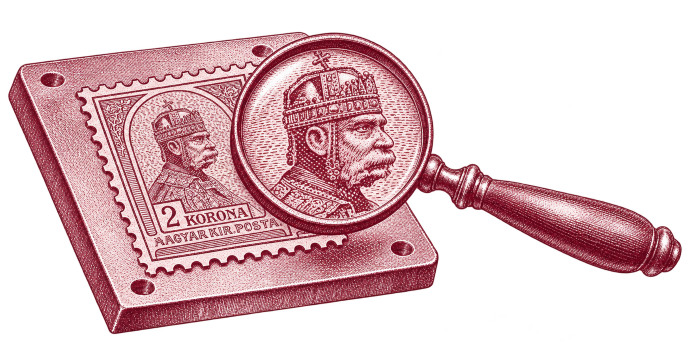
A good magnifier, perforation gauge and even lighting are needed for basic examination. Paper structure can be compared using transmitted light and printing details under magnification. Comparing several examples that have already been reliably identified is useful.
Colour perception is influenced by light, the underlying paper colour, the stamp’s condition and its surroundings. Moisture, heat and other later effects can also make a used stamp’s shade differ from its original colour.
Collecting value depends on type, condition, scarcity, special features and demand together. A conspicuous flaw does not automatically mean a higher value.
Record the full flaw code, issue year, denomination and circumstances of the observation. A watermark flaw code can be ambiguous without the year. You can also share your observations through the website.
VOLUME II · PLATE FLAWS
The following section presents plate flaws, typographic varieties, watermark flaws and printing phenomena grouped by flaw field. The full code and reference image help identify each variety; lengthy lists of affected stamps are omitted.
Roman numerals I–V identify the flaw field in the stamp design. In this catalogue, L denotes a flaw affecting one issue, A a flaw affecting several issues, and T a typographic variety. The letter is followed by an identifying number. For example, I-A14 is the fourteenth recorded flaw in field I affecting multiple issues.
Watermark flaw codes V1–V15 and Vv form a separate system. The Roman numeral V for flaw field V and the V prefix for watermark flaws have different meanings. Vv denotes a line running through the watermark. Always read watermark flaw codes together with the issue year: V5 of 1900 is not the same as V5 of 1904.
The NY prefix denotes a printing variety. Stamp design types I and II and their subtypes are shown in a separate comparison image. More than one variety may occur on a stamp; each should be identified separately.
The same Roman numerals identify the corresponding inscriptions and design areas on fillér and korona stamps.

Watermark flaws are examined in the paper from the back of the stamp. Printing varieties marked NY form a separate group.

Flaw code · reference image · feature to examine
Dot at the bottom of the line between "2" and the first "L"

Top line of "E" broken off, replaced by a horizontal "k"-shaped cluster of lines

"FILLÉR" without "I" ("I" is missing)
Flaw code · reference image · feature to examine

Half of the letter "I" is broken off

Tongue of "F" broken off from the stem (white background visible)

Colored dot (stamp color) below the tongue of "F"
Flaw code · reference image · feature to examine

Colored dot after "R" above the neck line

Colon below the tongue line of "F"

Top line of "F" broken in its first third
Flaw code · reference image · feature to examine

Tongue line of "F" is missing (resembles an inverted "L")

Colon in front of the letter "F"

Dot to the right of the head of letter "I"
Flaw code · reference image · feature to examine

Base line of the first "L" broken in its first third

The base lines of the two "LL"s form a continuous line

Colon to the right of the stem of the second "L"
Flaw code · reference image · feature to examine

A dot to the right of the second "L" stem near the middle

Horizontal line instead of the accent on "É"

Comma-shaped line segment above the tongue line of "É"
Flaw code · reference image · feature to examine

Base line of "É" broken at the junction with the stem

Leg of "R" broken at the junction with the loop

Dot between "R" and "É" at the neck line of "R"
Flaw code · reference image · feature to examine

Stem of "I" broken in its lower quarter (resembles an inverted "i")

Line extending left from the head of "I" (inverted "L") + head of 2nd "L" is slanted

Diagonal line from the inner corner of the 2nd "L" toward the upper corner of "É"
Flaw code · reference image · feature to examine

Tongue of the letter "É" is broken off
Flaw code · reference image · feature to examine

Break between the base line and vertical stem of the letter "K"

The first letter "O" is open or thinned at the bottom

The loop and leg of letter "R" do not meet
Flaw code · reference image · feature to examine

Colored dot above the head of the letter "A"

Colored dot between the letters "K" and "O"
Flaw code · reference image · feature to examine

Type I spacing of digits (0.1 mm)

Type II spacing of digits (0.3 mm)

Top line of digit "5" broken in half
Flaw code · reference image · feature to examine

Base line of digit "1" missing (Crown issue)

Top line of digit "1" missing (Crown issue)

Shifted value number
Flaw code · reference image · feature to examine

Missing value number (proof phase print or waste)
Flaw code · reference image · feature to examine

Colored dot with a light halo on the stem of the letter "G"

Stem of letter "G" broken

Dot missing after abbreviation "KIR." (Sheet position: V.1.)
Flaw code · reference image · feature to examine

Leg of letter "R" in "KIR." broken (readable as "KIP.")
Flaw code · reference image · feature to examine

Engraver's mark: inner frame line bulges inwards above "ST" in "POSTA"

The reference image is not yet available.
Thick ink spot under the left wing of the Turul near the inner frame
The reference image is not yet available.
Dot with colored halo above the ornament after "FILLÉR"
Flaw code · reference image · feature to examine
The reference image is not yet available.
Colored spot between the top of the crown and the left laurel leaf

Heavy ink spot in the design above the letter "R" in "FILLÉR"

Missing background lines between the letter "M" and the frame
Flaw code · reference image · feature to examine

White cross under the letter "M" (background line break)

The 1900 watermark is so large that the complete design covers approximately four to six stamps. The circles are approximately 45 mm across and the crown is approximately 30 mm at its widest.
A number watermark and a star occur on some stamps; the factory watermark repeats every 12 circles.
Occurrence: 1899: black-numeral krajcár and newspaper stamps; 1900: Turul and newspaper stamps; 1903: green postage dues; 1915: provisional postage dues.
Orientation · crown · number watermark · catalogue symbol

 a)b)c)d)a)b)c)d)
A single stamp normally shows only part of this large watermark.
Flaw code · reference image · feature to examine

Watermark flaw V1
The cross stands upright. This is caused by a break in the originally slightly left-leaning crown.

Watermark flaw V2
The crown’s left inner connecting line is missing.

Watermark flaw V3
The crown’s right inner connecting line is missing.
Flaw code · reference image · feature to examine

Watermark flaw V4
The Roman numeral I of the number watermark is missing.

Watermark flaw V5
The complete number watermark has broken away and is missing. This can only be detected on a complete sheet.

Watermark flaw V6
The intersecting circles have merged.
Flaw code · reference image · feature to examine

Watermark flaw V7
The intersections of the factory star and the surrounding circles have merged.

Watermark flaw V8
Segments of the circles are missing at any of the intersections.

Watermark flaw V9
A break and deflection in a circle result in a missing intersection.
Flaw code · reference image · feature to examine

Watermark flaw V10
The lower arc of the crown is missing.

The Small Crown was designed to fit entirely on one Turul stamp, although a complete example is rarely visible. Its asymmetric, three-dimensional design helps identify its orientation even without the cross.
The number watermark repeats every 400 watermark designs, once per printer’s sheet.
Occurrence: 1904: Turul and newspaper stamps; 1905–1906: green postage dues; 1915: provisional postage dues.
Orientation · crown · number watermark · catalogue symbol
 a)b)c)d)a)b)c)d)
The same watermark was used for the 1906 Turul issue.
Flaw code · reference image · feature to examine

Watermark flaw V1
The cross is missing.

Watermark flaw V2
The cross stands upright instead of leaning to the left.

Watermark flaw V3
The cross is broken and lies on the crown.
Flaw code · reference image · feature to examine

Watermark flaw V4
The crown’s middle “foot” is bent.

Watermark flaw V5
The crown’s left “foot” is broken and is therefore shorter or missing.

Line watermark
Line watermarks Vv1–Vv8: a horizontal line runs through the crown at different heights.
The 1906 issue used the Small Crown watermark introduced in 1904. A complete crown can fit on one stamp, but this is rare.
The asymmetric, three-dimensional design helps identify orientation even without the cross. The number watermark repeats every 400 designs, once per printer’s sheet.
Occurrence: 1904 and 1906: Turul stamps; 1904: newspaper stamps; 1905–1906: green postage dues; 1915: provisional postage dues.
Orientation · crown · number watermark · catalogue symbol
a)b)c)d)a)b)c)d)The orientations are identical to those of the 1904 Small Crown watermark.
Flaw code · reference image · feature to examine

Watermark flaw V1
The cross is missing.

Watermark flaw V2
The cross stands upright instead of leaning to the left.

Watermark flaw V3
The cross is broken and lies on the crown.
Flaw code · reference image · feature to examine

Watermark flaw V4
The crown’s middle “foot” is bent.

Watermark flaw V5
The crown’s left “foot” is broken and is therefore shorter or missing.

Line watermark
Line watermarks Vv1–Vv8: a horizontal line runs through the crown at different heights.

The upper arc of the crown is rounder and more regular than in the 1909 watermark; each pair of outer rectangles is also nearly equal in size.
The diamond-shaped number watermark occurs every 400 designs, once per printer’s sheet. The precise orientation can be identified only if the cross is visible.
Occurrence: 1908: Turul, newspaper and green postage-due stamps.
Orientation · crown · number watermark · catalogue symbol

 a)b)c)d)a)b)c)d)
The diamond-shaped number watermark rarely appears on an individual stamp.
Flaw code · reference image · feature to examine

Watermark flaw V1
The crown’s left pendant bends outwards.

Watermark flaw V2
The crown’s left pendant bends inwards.

Watermark flaw V3
The crown’s middle pendant bends to the right.
Flaw code · reference image · feature to examine

Watermark flaw V4
The crown’s right pendant bends inwards.

Watermark flaw V5
The crown’s right pendant bends outwards.

Watermark flaw V6
The cross has broken away and is missing.
Flaw code · reference image · feature to examine

Watermark flaw V7
The cross is broken and lies on the crown.

Watermark flaw V8
The cross stands upright.

Line watermark
In line watermarks Vv1–Vv14, a horizontal line passes through different points of the crown.

The watermark is the same size as the 1908 version, but the crown’s arc is more angular and the lower rectangles differ in size. There is no number watermark.
The position can be recognised; the exact orientation can only be established on examples showing the cross on the crown.
Occurrence: 1909: Turul, newspaper and green postage-due stamps.
Orientation · crown

It occurs upright on letter and newspaper stamps, and sideways on postage-due stamps.
Flaw code · reference image · feature to examine

Watermark flaw V1
The crown’s left pendant bends outwards.

Watermark flaw V2
The crown’s left pendant bends inwards.

Watermark flaw V3
The crown’s middle pendant bends to the left.
Flaw code · reference image · feature to examine

Watermark flaw V4
The crown’s middle pendant bends to the right.

Watermark flaw V5
The crown’s right pendant bends outwards.

Watermark flaw V6
The crown’s right pendant bends inwards.
Flaw code · reference image · feature to examine

Watermark flaw V7
The crown’s left pendant curves upwards.

Watermark flaw V8
The right pendant is completely missing.

Watermark flaw V9
The middle and right pendants of two adjacent crowns bend to the left.
Flaw code · reference image · feature to examine

Watermark flaw V10
The pendants of two adjacent crowns bend towards each other and almost touch.

Watermark flaw V11
The opposite of V10: the two pendants bend inwards.

Watermark flaw V12
The cross and its support are missing.
Flaw code · reference image · feature to examine

Watermark flaw V13
The cross is missing, but its circular support remains.

Watermark flaw V14
The cross stands upright.

Watermark flaw V15
The left pendant is missing.
Flaw code · reference image · feature to examine

Line watermark
In line watermarks Vv1–Vv15, horizontal lines pass beneath or through the crown at different heights.

The symmetric Double Cross watermark does not have eight distinguishable orientations. Upright and sideways arrangements can, however, be distinguished; the sideways form is designated VIIa.
The crosses are visible in two directions, so there are no left- and right-facing orientations. A stamp may show only one of the crosses. There is no number watermark.
Occurrence: From 1913 on several issues, including the 1920 and 1922 newspaper stamps, Flood Relief I and the Harvesters series.


The two illustrations show the upright and sideways arrangements.
Flaw code · reference image · feature to examine

Printed on both sides
The reference image is not yet available.
Coarse print / blurred design
VOLUME II · PAPER TYPES
Paper helps identify issue years, types and individual printings. Four papers were used during the 1900 series: pelure, glass, smooth and card-like paper.
Alongside pelure paper, characteristic of the first printings, glass paper left over from earlier krajcár issues is a special feature. Volume IV of the Monograph of Hungarian Stamps calls it the rarest Turul paper. The monograph records used examples of the 1 and 10 fillér denominations.
Paper types cannot always be distinguished by sight alone. Thickness, stiffness, structure, translucency and the watermark design together provide clues. A paper type does not necessarily occur for every denomination in a series, so exceptions and known periods of use are also shown.
Always interpret a paper letter code together with the issue year: the same letter can denote different paper types in different years. Eight paper types are described for the 1913 series.
Always interpret the code together with the issue year.
Fine, very thin white paper; the stamp design shows strongly through the reverse side. Water-sensitive inks may slightly tint it.
The first printing of the initial issue and of the supplementary denominations occurs exclusively on this paper, except for the 12 fillér.
Hard, strong paper; the stamp design is clearly visible on the reverse. Its stiff perforations are easily damaged. It was left over from the paper used for the final krajcár issues of 1899.
The rarest type of paper: occurs in the 1, 4, 10, and 60 fillér, and the 1 korona denominations.
Fine, smooth white paper, thicker than pelure paper, opaque but translucent.
Generally used from 1903. With the exception of the wine-red 6 fillér and the 3 korona, all values were printed on this paper.
Thick, smooth, white, opaque paper. It came into use in 1904, so it occurs only in the final printings.
Known from 1904 for all denominations except the 4 fillér, the brown color group 6 fillér stamps, and the 3 korona.
Always interpret the code together with the issue year.
Thin, brittle, smooth paper with a characteristic yellowish tone.
All denominations except the 12 fillér.
Thicker, softer, and more flexible white paper.
All values are known except for the dark wine-red 50 fillér.
Released exclusively on this softer, more flexible white paper.
Thicker, smooth white paper with an even structure.
Always interpret the code together with the issue year.
Slightly thicker than the 1900 issue, opaque but translucent smooth white paper.
Known for all values except the 16 fillér.
Smooth, distinctly hard and thick paper type; the watermark is clearly discernible on it.
Thin white paper with dense fibers, on which the watermark is only extremely faint or barely visible.
Occurs for all values except the 16 fillér and 5 korona.
Always interpret the code together with the issue year.
Smooth, medium-thin white paper with an even structure and a sharply defined watermark.
1, 2, 3, 5, 6, 10, 20, 25, 30, 35, 50, 60 fillér with white and pink underprint, as well as 1, 2, 5 korona. (Watermark position VIIB appeared exclusively on this paper)
Noticeably thicker, denser white paper than type "s", with a somewhat fainter watermark.
5, 10, 16, 60 fillér with pink underprint and 1 korona.
Slightly thinner paper with looser fibers. When held up to the light, irregular, tiny bright dots are visible.
1, 2, 3, 5, 6, 10, 12, 20, 25, 30, 35, 50, 60 fillér with pink underprint, 1, 2, and 5 korona.
Very thin paper with a loose structure. When backlit, the dots align into straight lines. Blurred watermark.
1, 2, 3, 5, 6, 10, 12, 25, 50, 60 fillér with pink underprint, 70, 80 fillér, 1 and 2 korona.
Always interpret the code together with the issue year.
Medium thickness, slightly grayish-white. Regular, alternating light and dark bands (0.3 mm) are visible perpendicular to the watermark.
2 (pale yellow), 3, 5, 6 (grayish olive), 10, and 25 (Berlin blue) fillér.
Strong, flexible, distinctly thick white paper with a clearly discernible watermark.
Distinctly thick, rigid, cardboard-like paper with a slight grayish tint.
Thin paper type without bands, featuring a blurred, hazy watermark design.
VOLUME II · COLOUR CATALOGUE
The basic colours and shades of Turul stamps offer a varied collecting field. Ink, paper and subsequent influences all affect their appearance. This colour catalogue helps compare 100 shades; it does not claim to cover every Turul colour in existence.
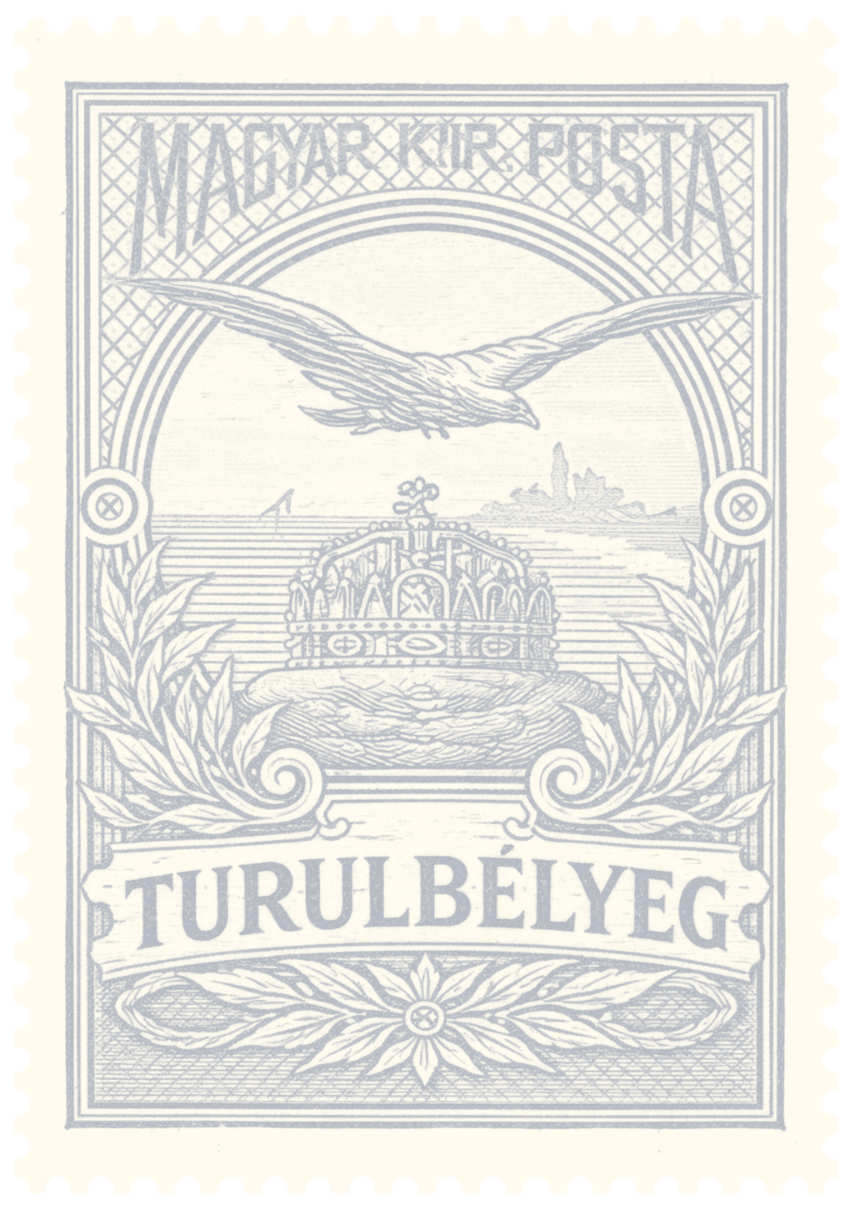
The digital colour values shown are representative colours selected from the sample images. They do not describe the chemical composition of the inks. For comparability, every sample uses the same stamp design with a white background.
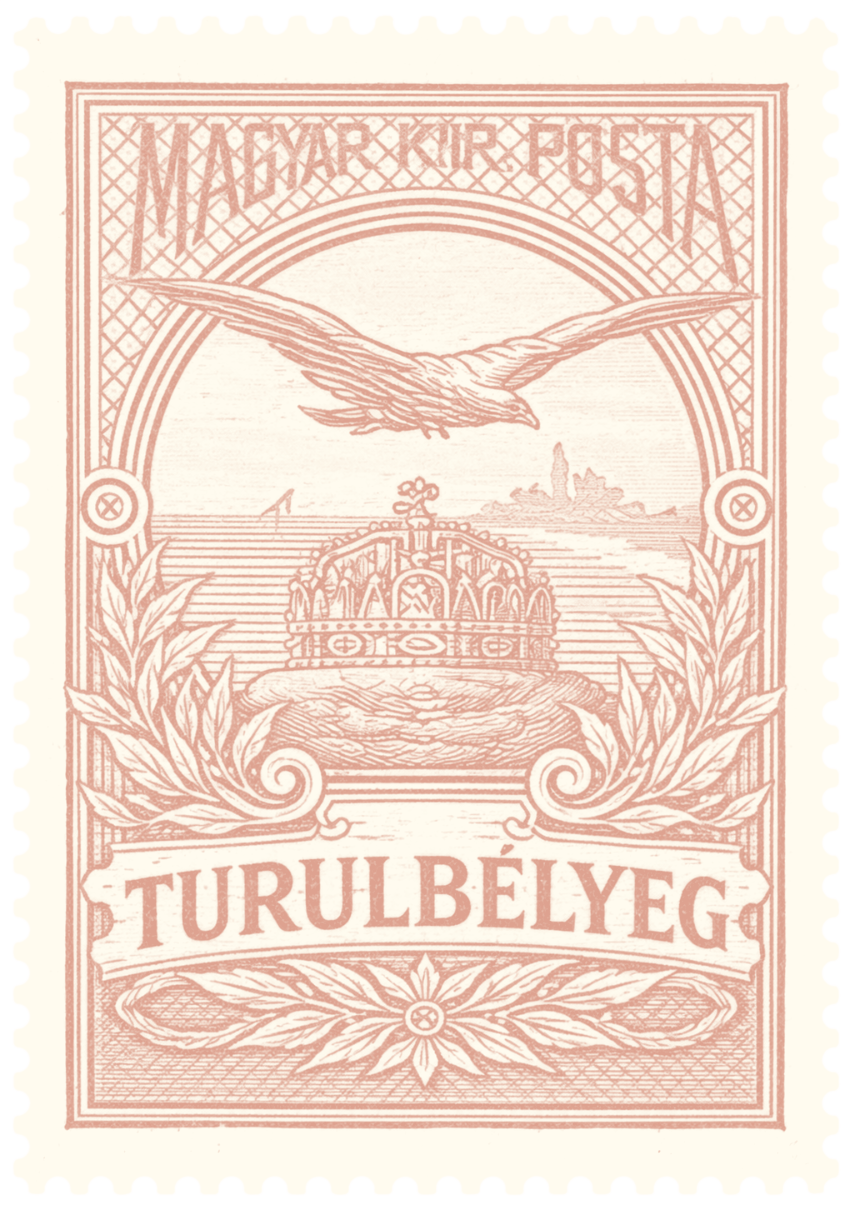
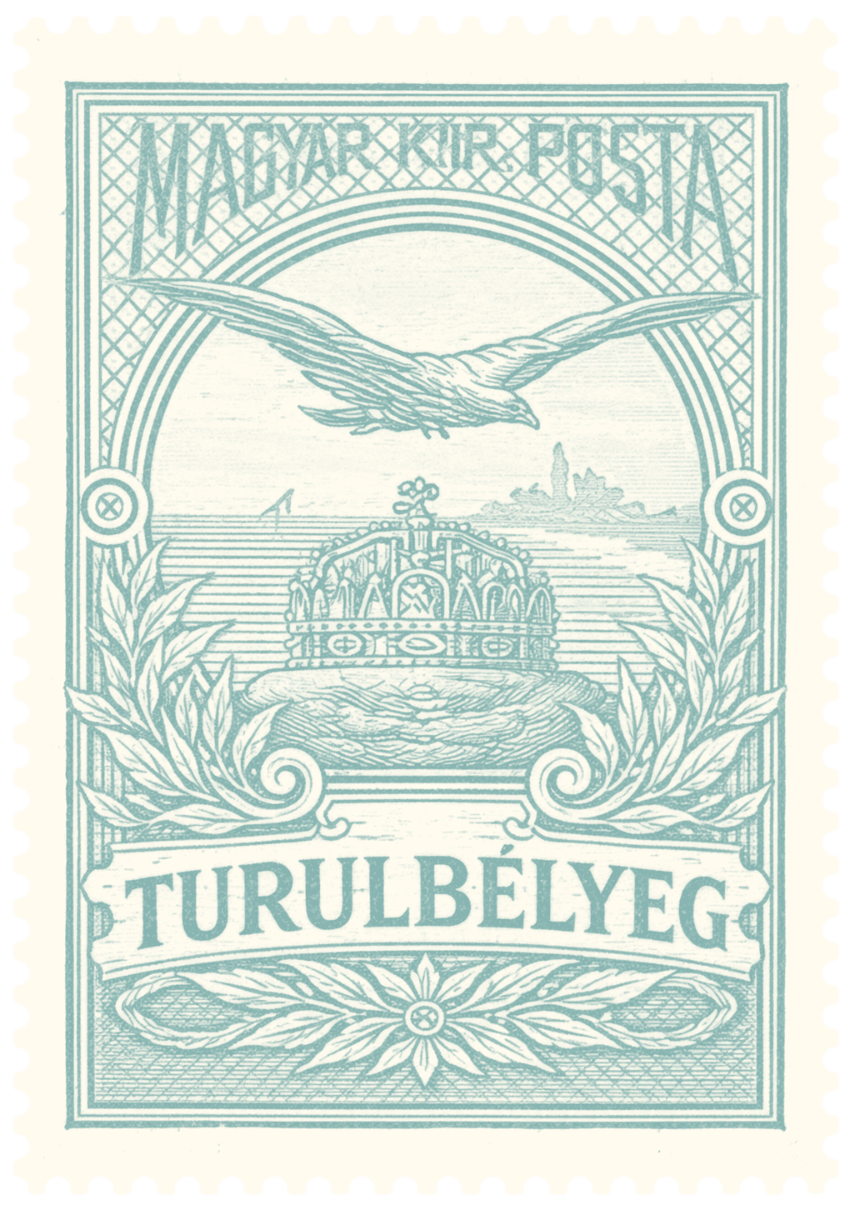
The illustrative design is original artwork, not a real postage stamp. It combines the fillér design with the TURULBÉLYEG inscription and has more elongated proportions than the original. The shades can thus be compared without the sample being a copy of the original stamp.
The English colour names follow the example of the Stanley Gibbons colour catalogue. Each entry also has a Hungarian name, number and HEX code. Display, lighting and printing can change the colour seen, so the scale is a guide. A larger version can also be downloaded separately from turulbelyeg.hu.
Same design · consistent image size · English and Hungarian names
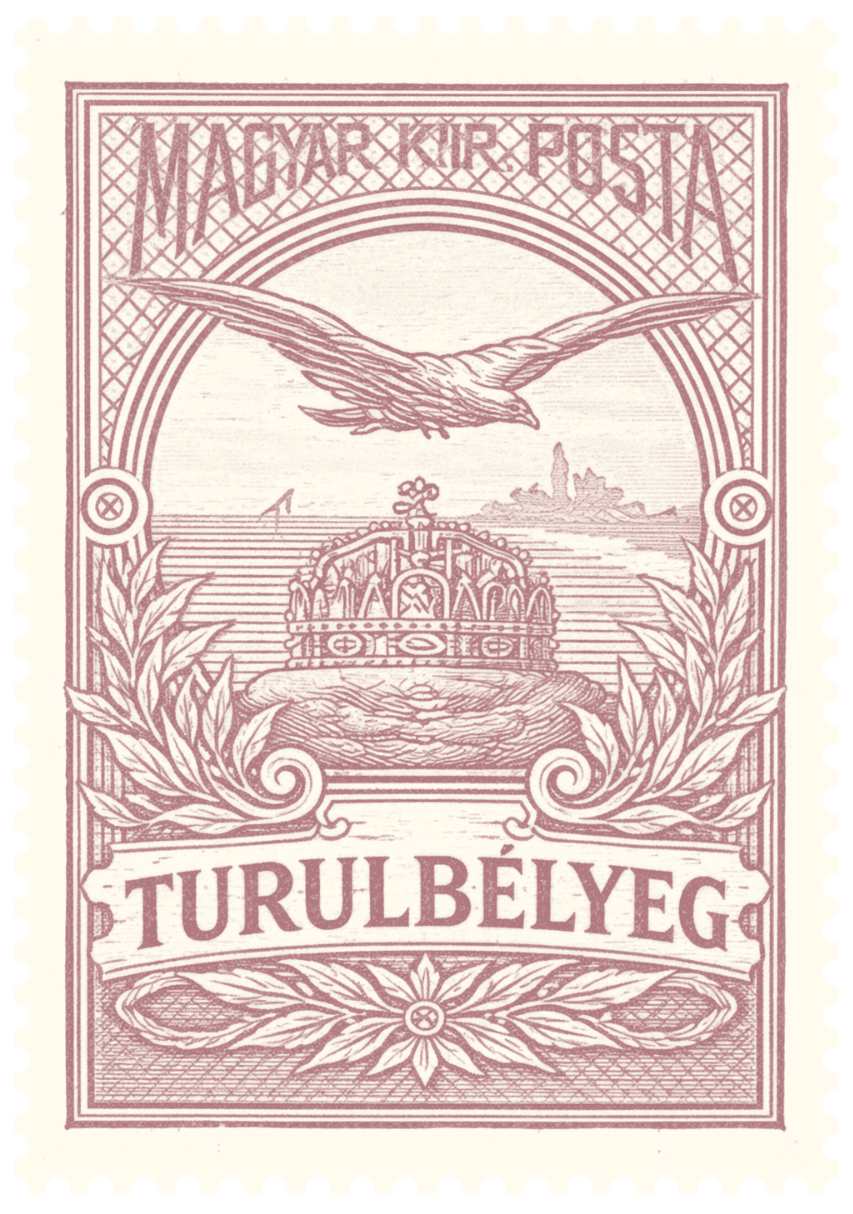
Barnás kármin
#B17A82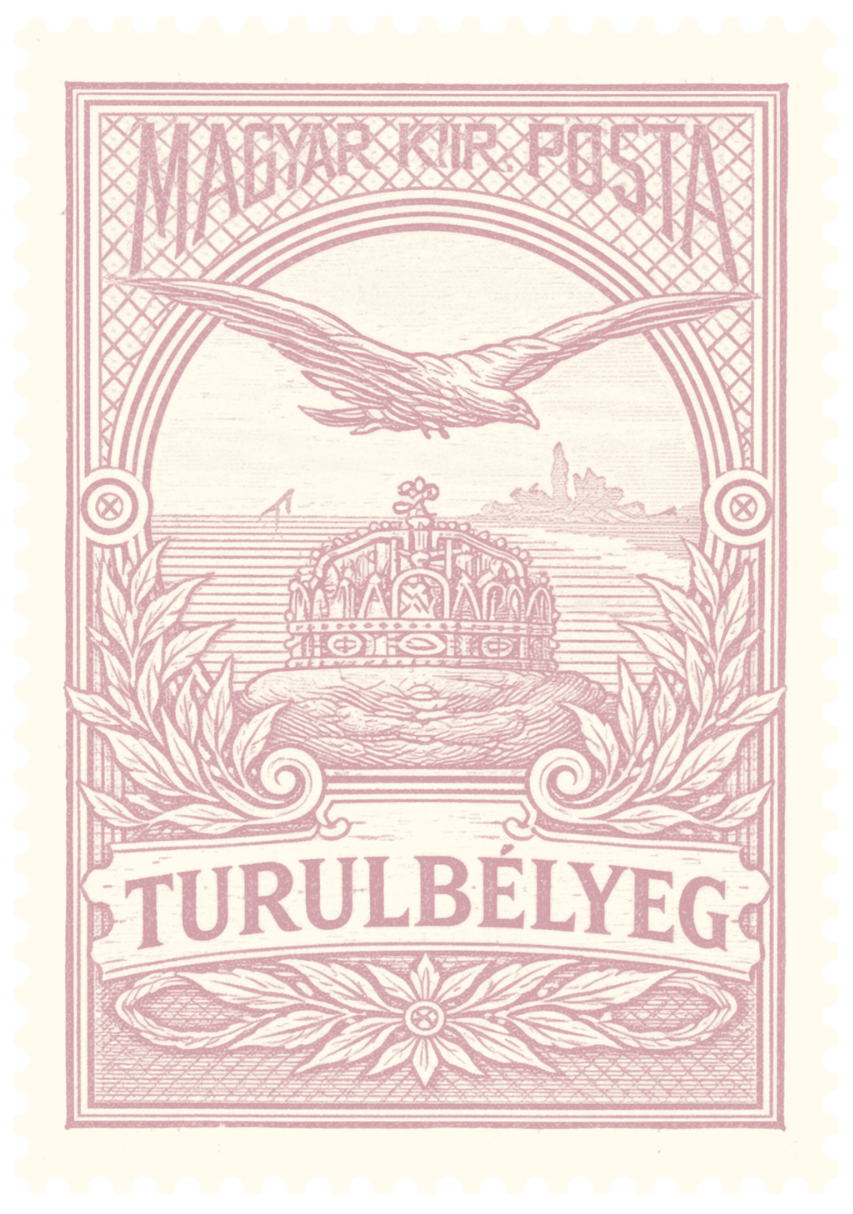
Kárminfesték-vörös
#D4A3AB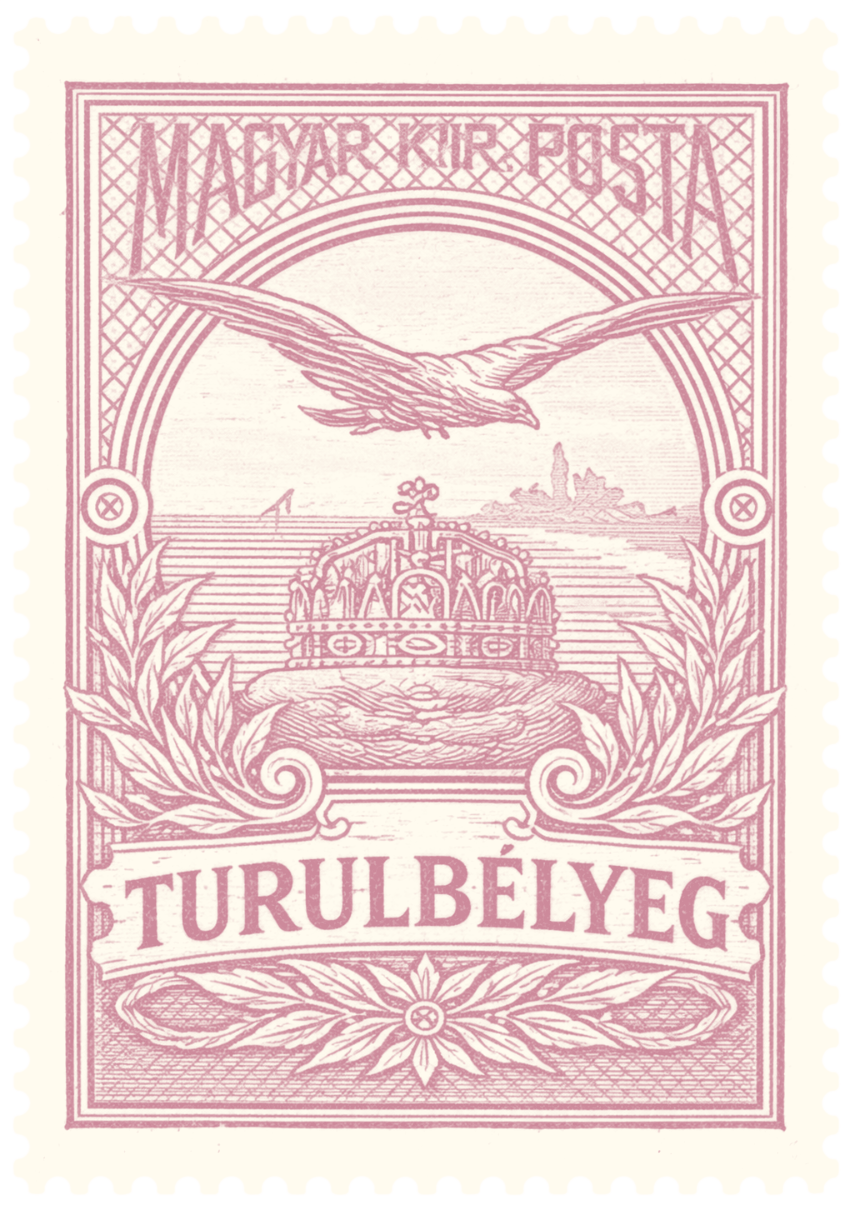
Kárminfesték-vörös
#CD8A9C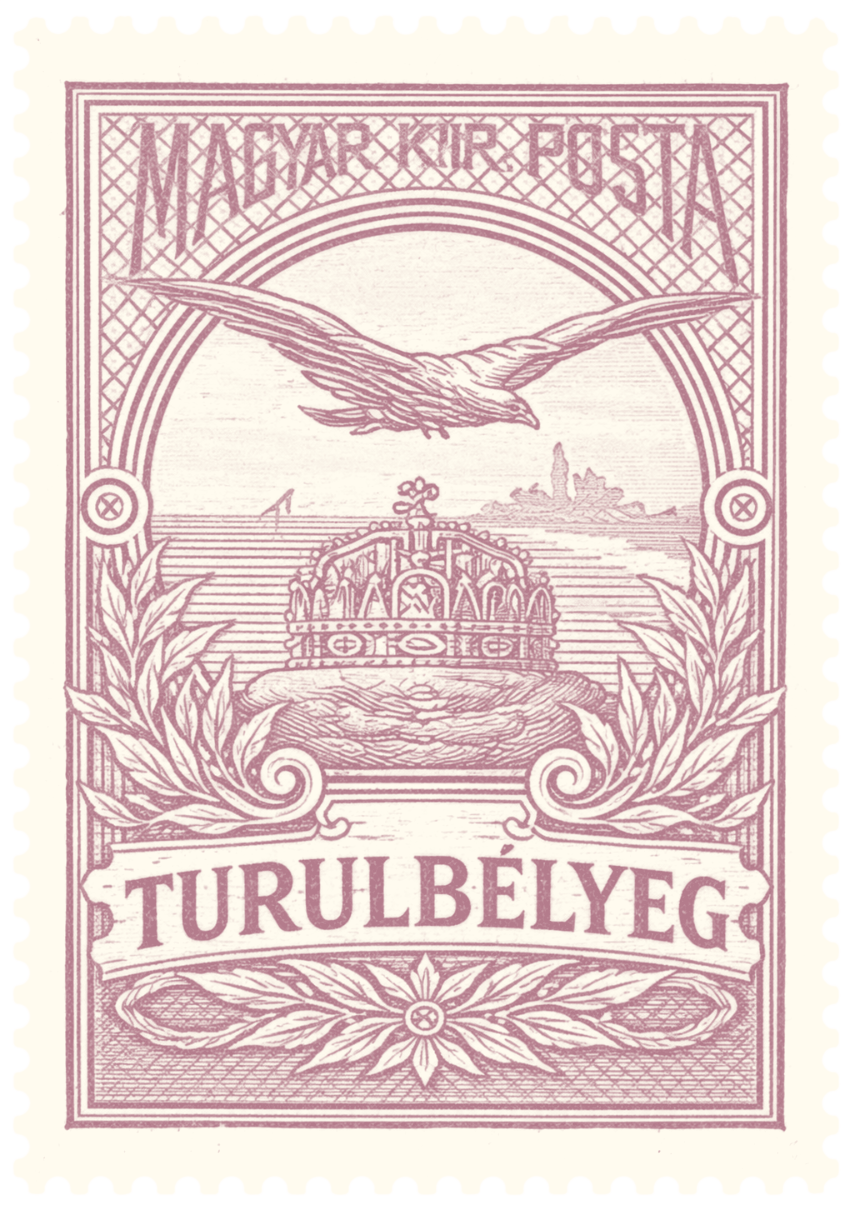
Mély kárminvörös
#B57D8D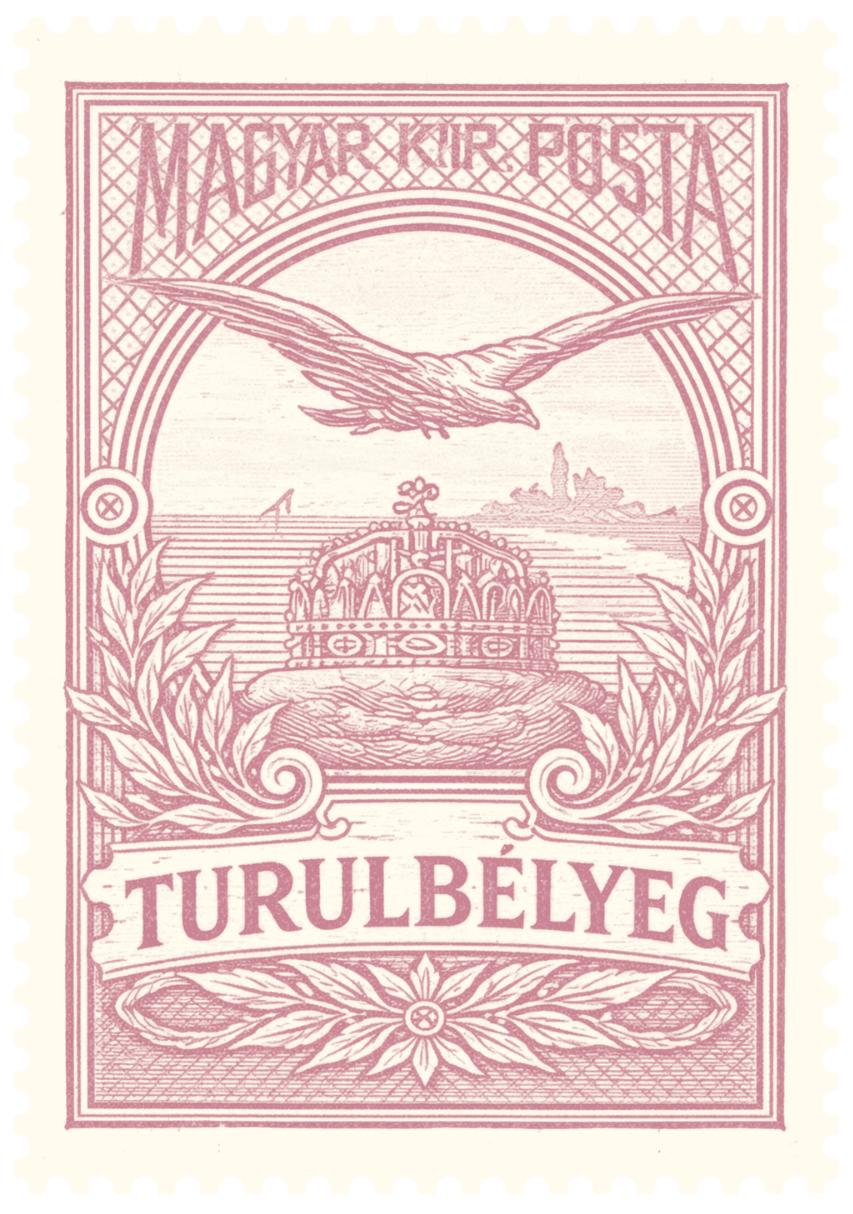
Bíborvörös
#CB8594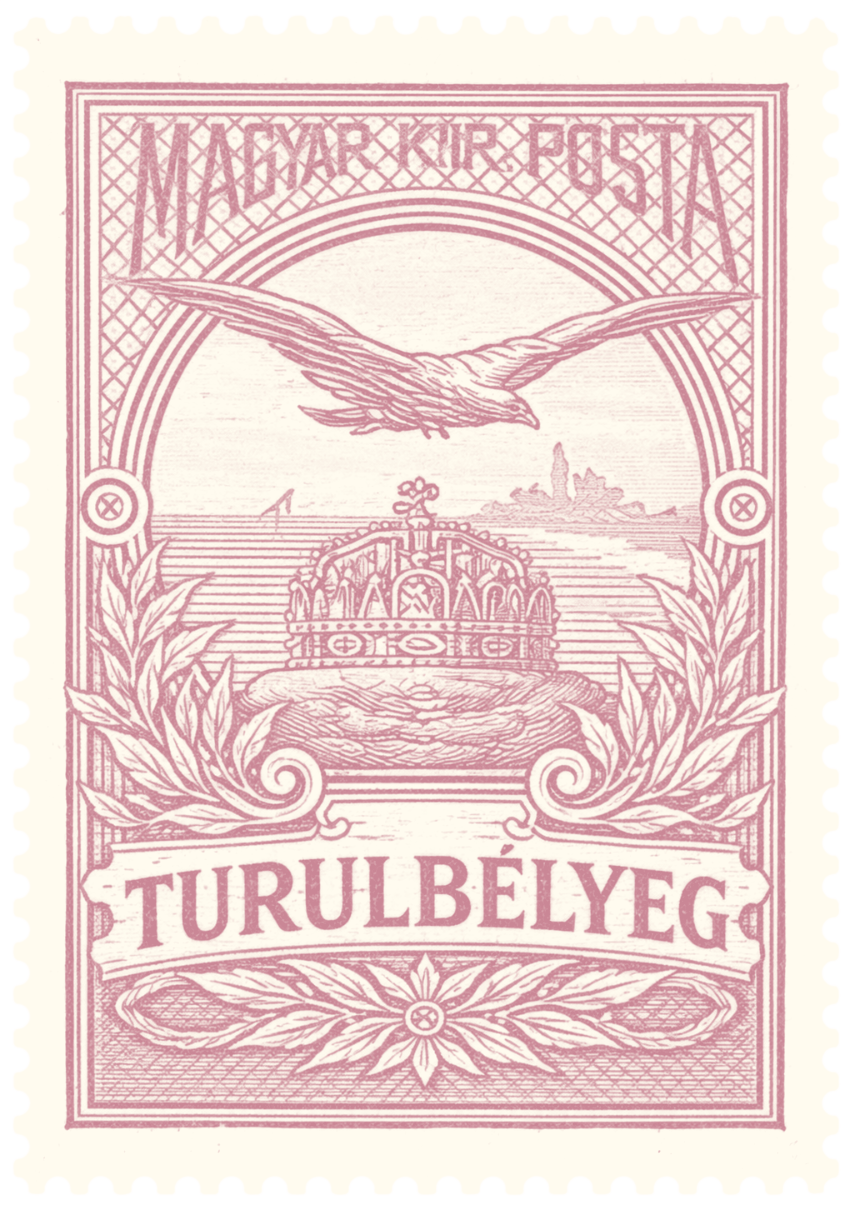
Kármin
#CB8796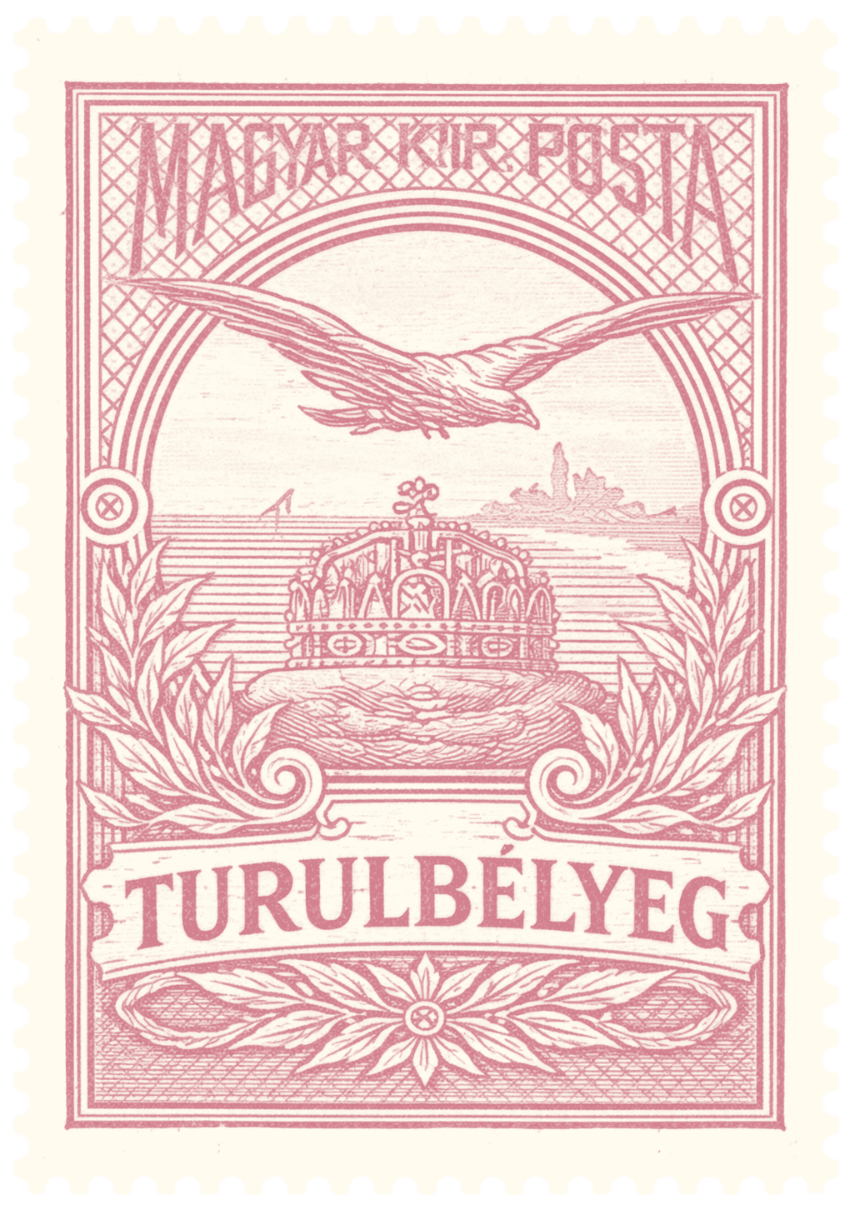
Kárminpiros
#D4828F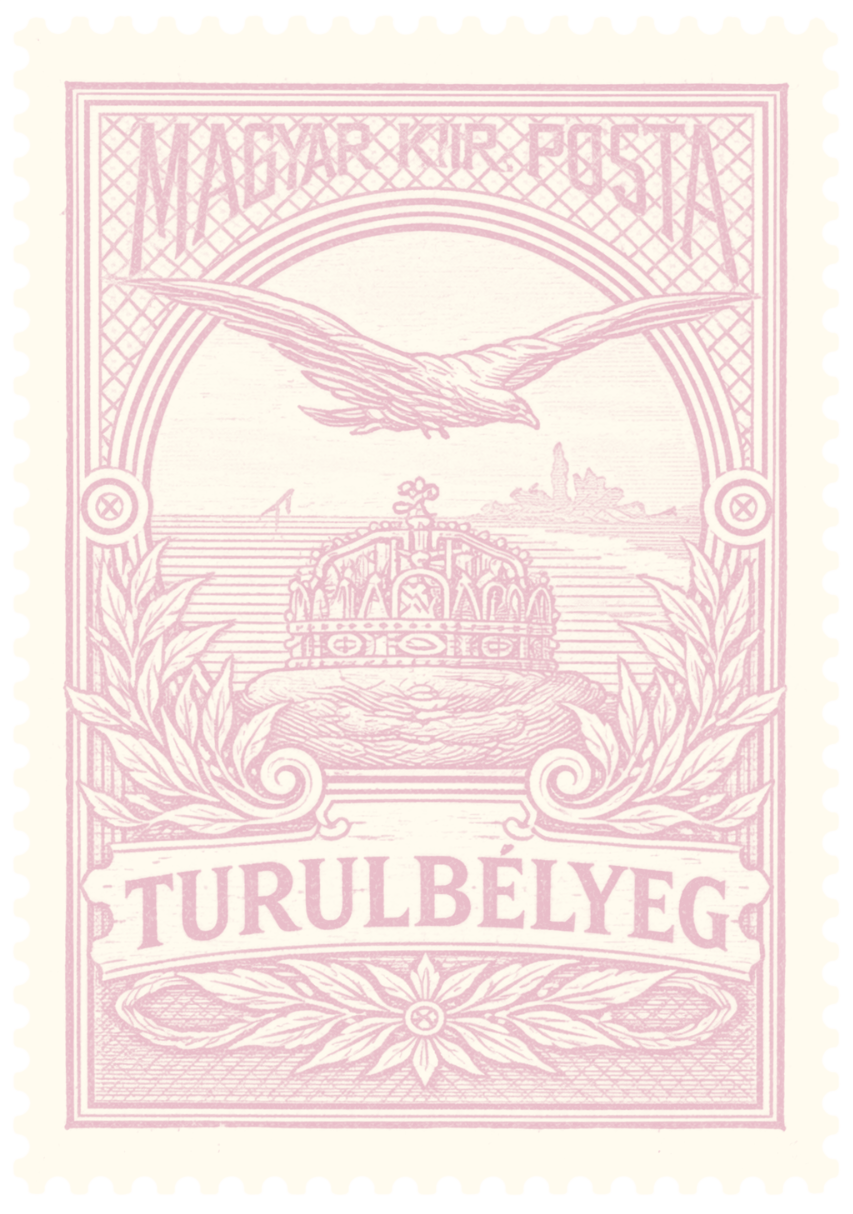
Kárminrózsaszín
#E9BECA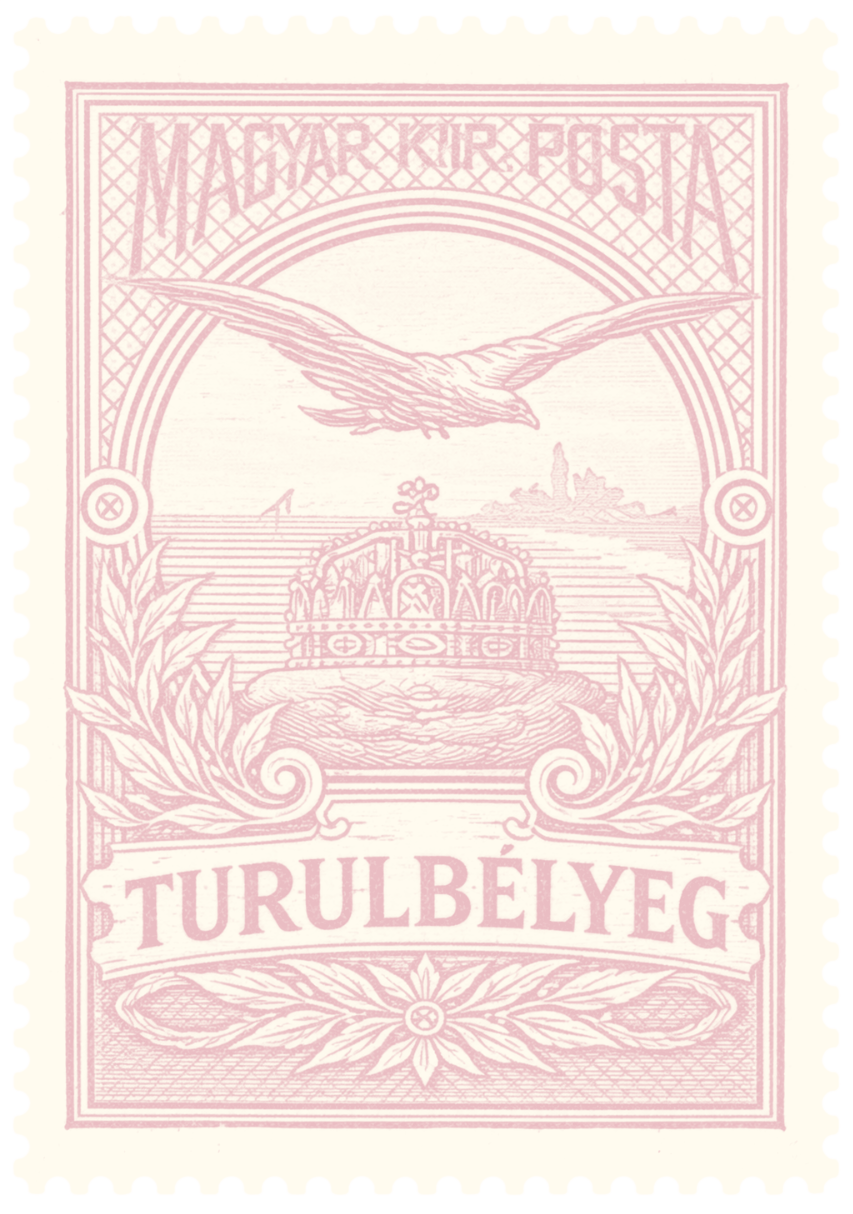
Rózsás rózsaszín
#EBBDC3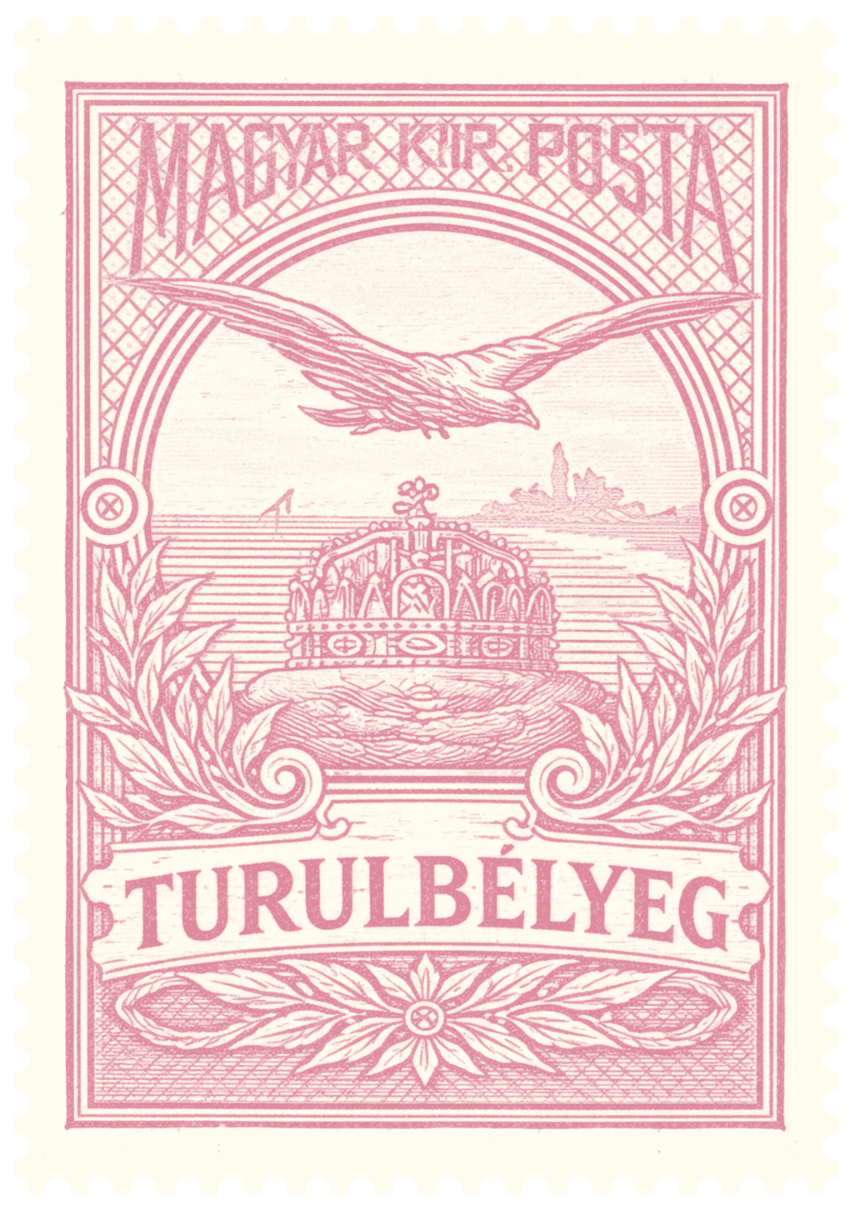
Rozinpiros
#DF8B9DThe HEX code is a digital reference. Display and printing affect the shade you see.
Same design · consistent image size · English and Hungarian names
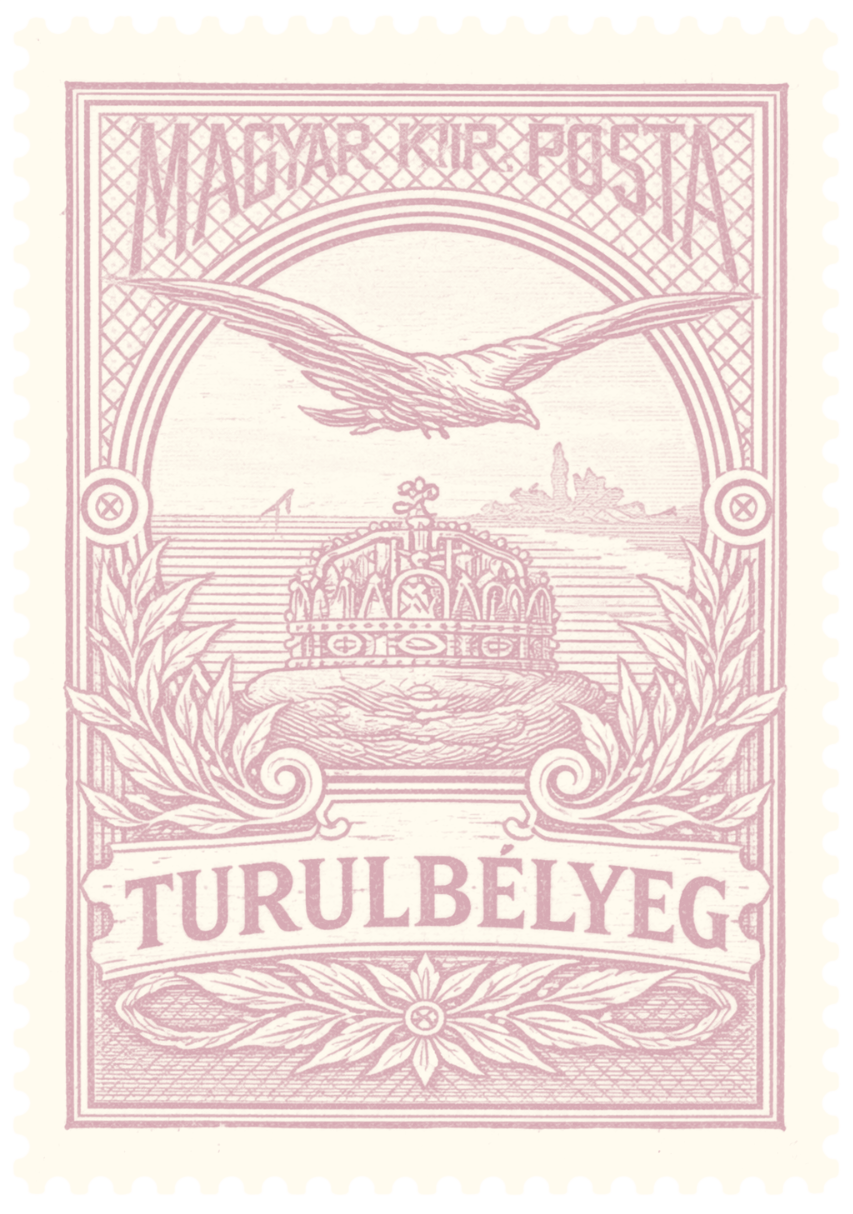
Tompa rózsapiros
#D8ABB4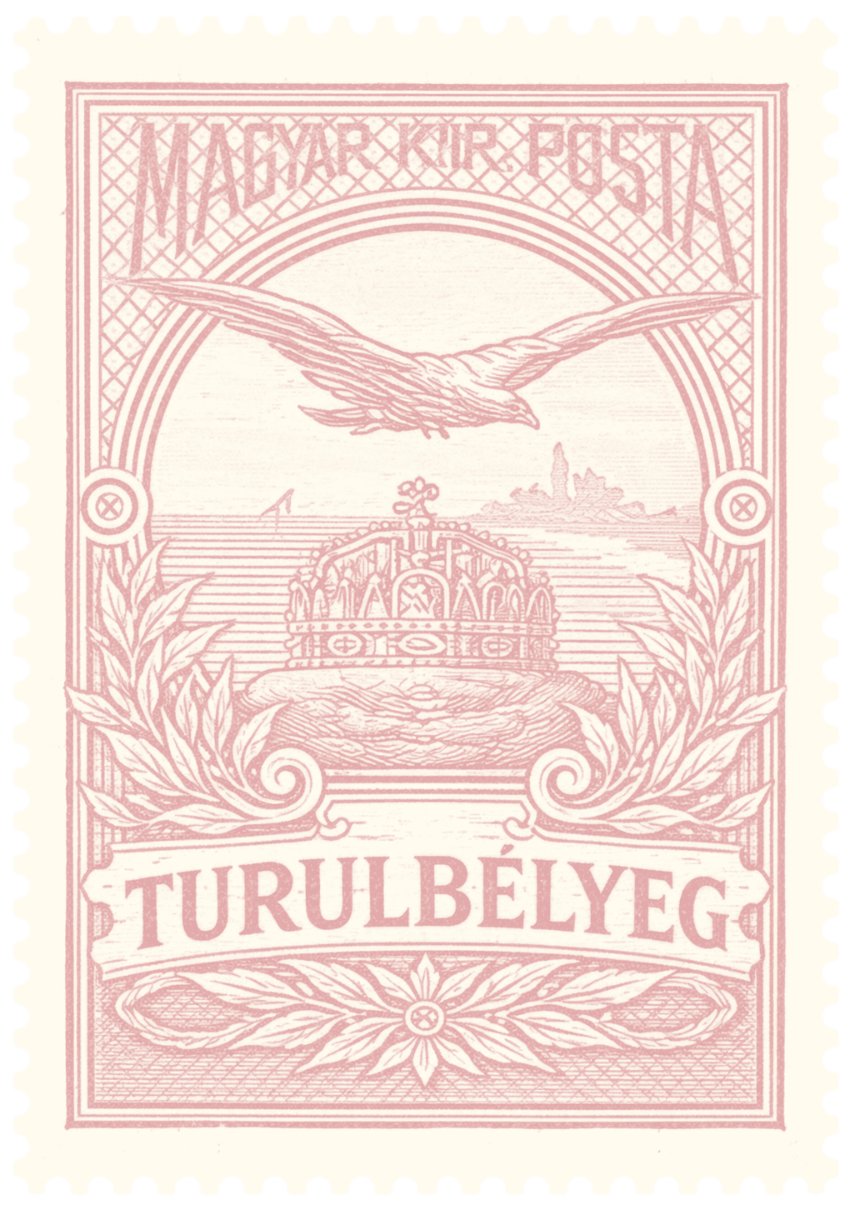
Rózsapiros
#E4ABAB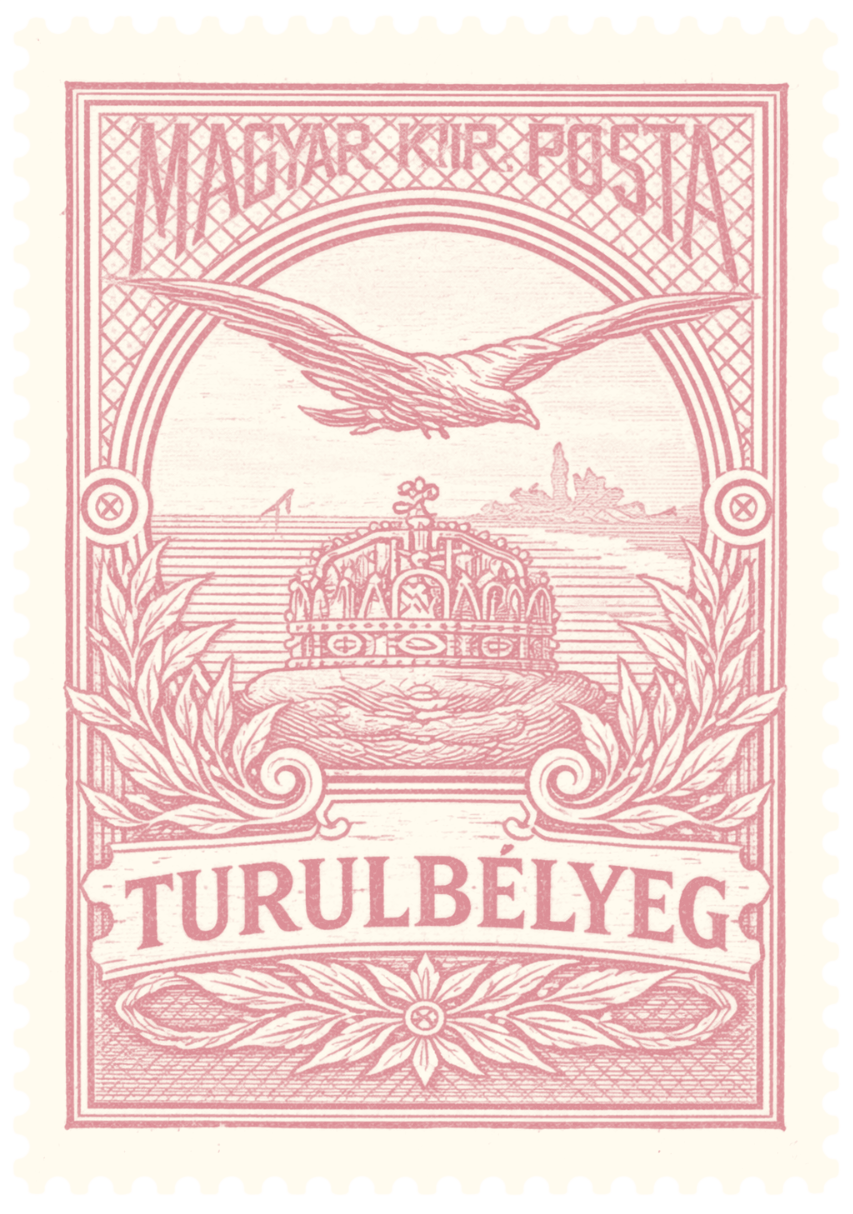
Élénk rózsapiros
#DD8F97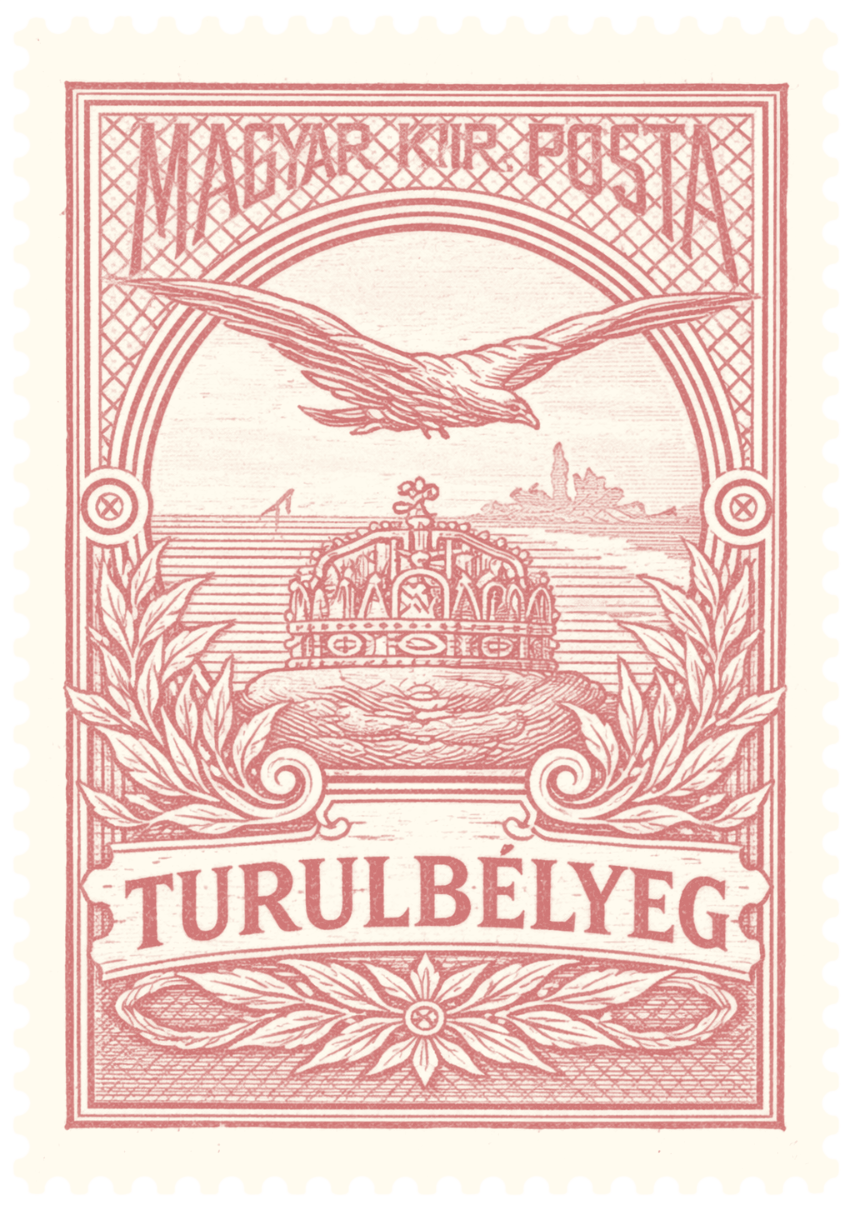
Skarlátvörös
#D17877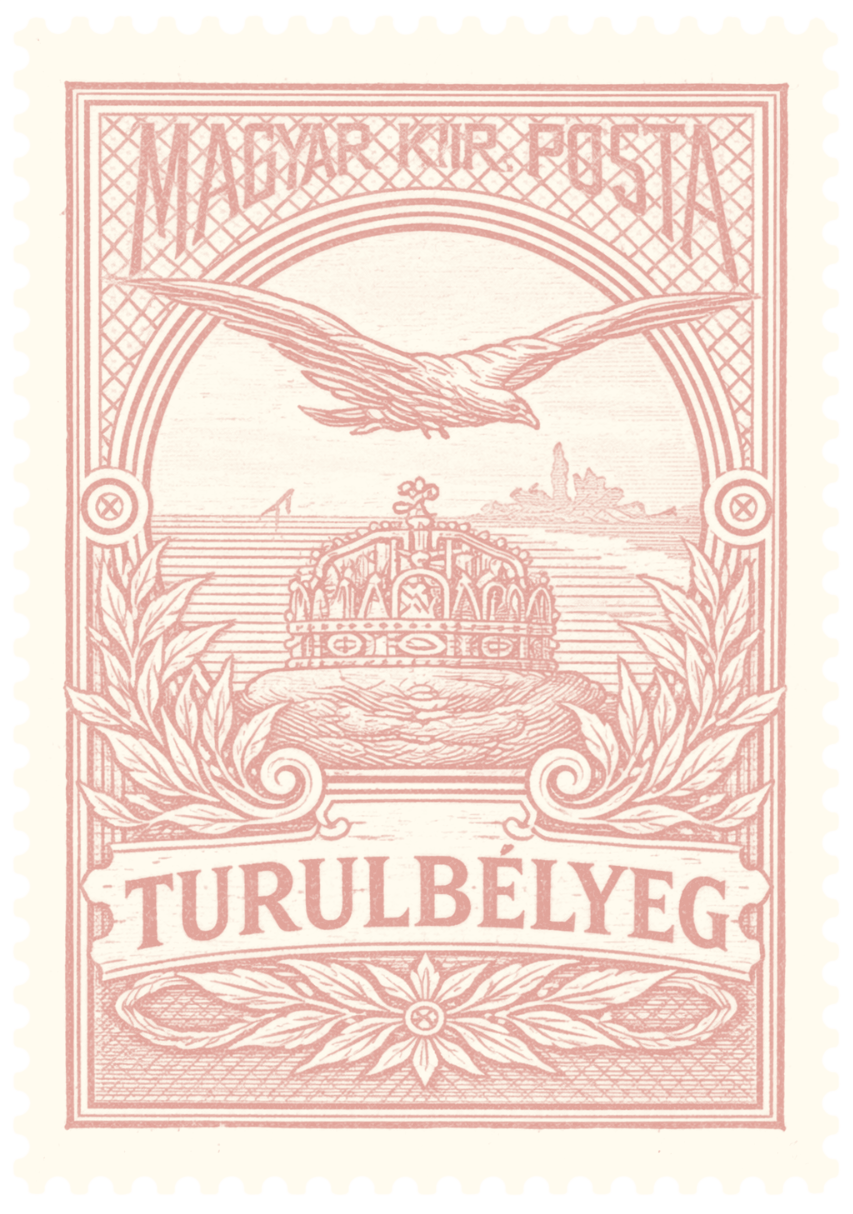
Piros
#E2A49B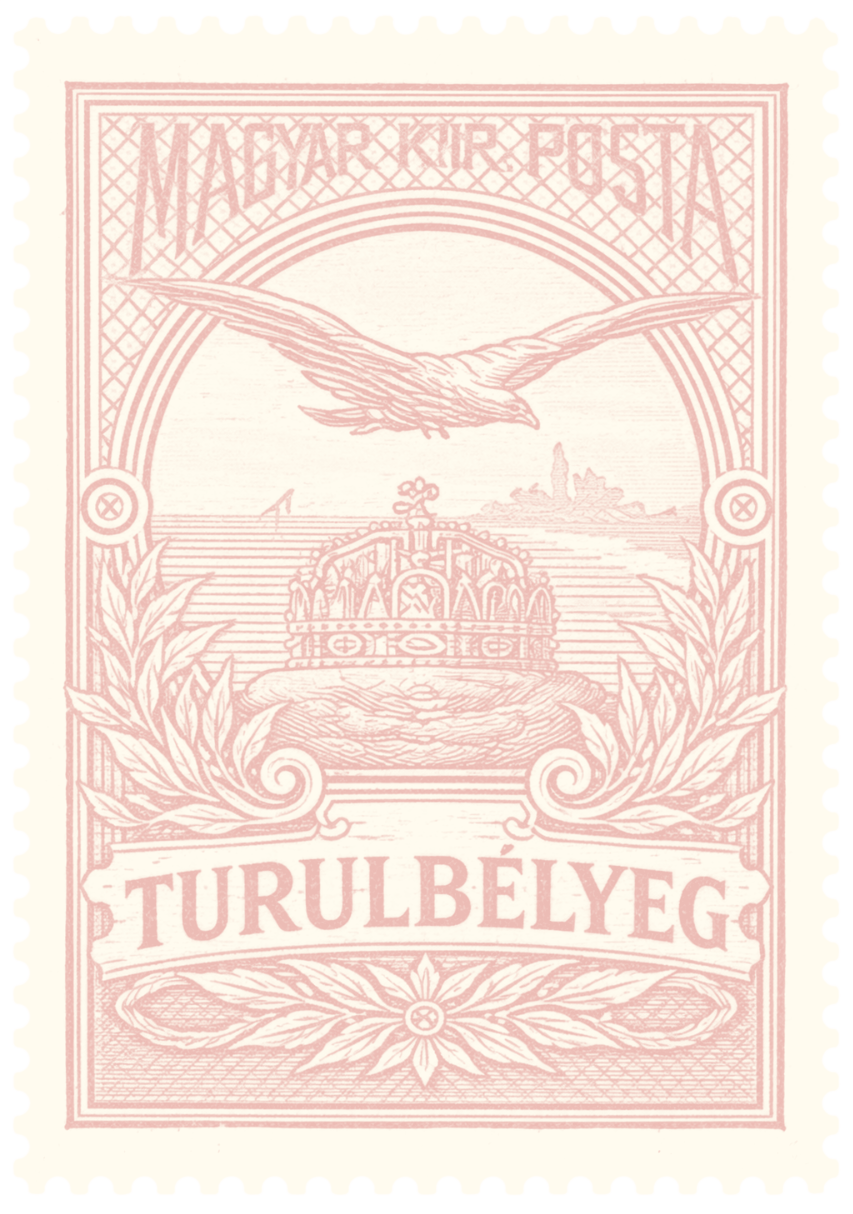
Téglavörös
#EDBCB6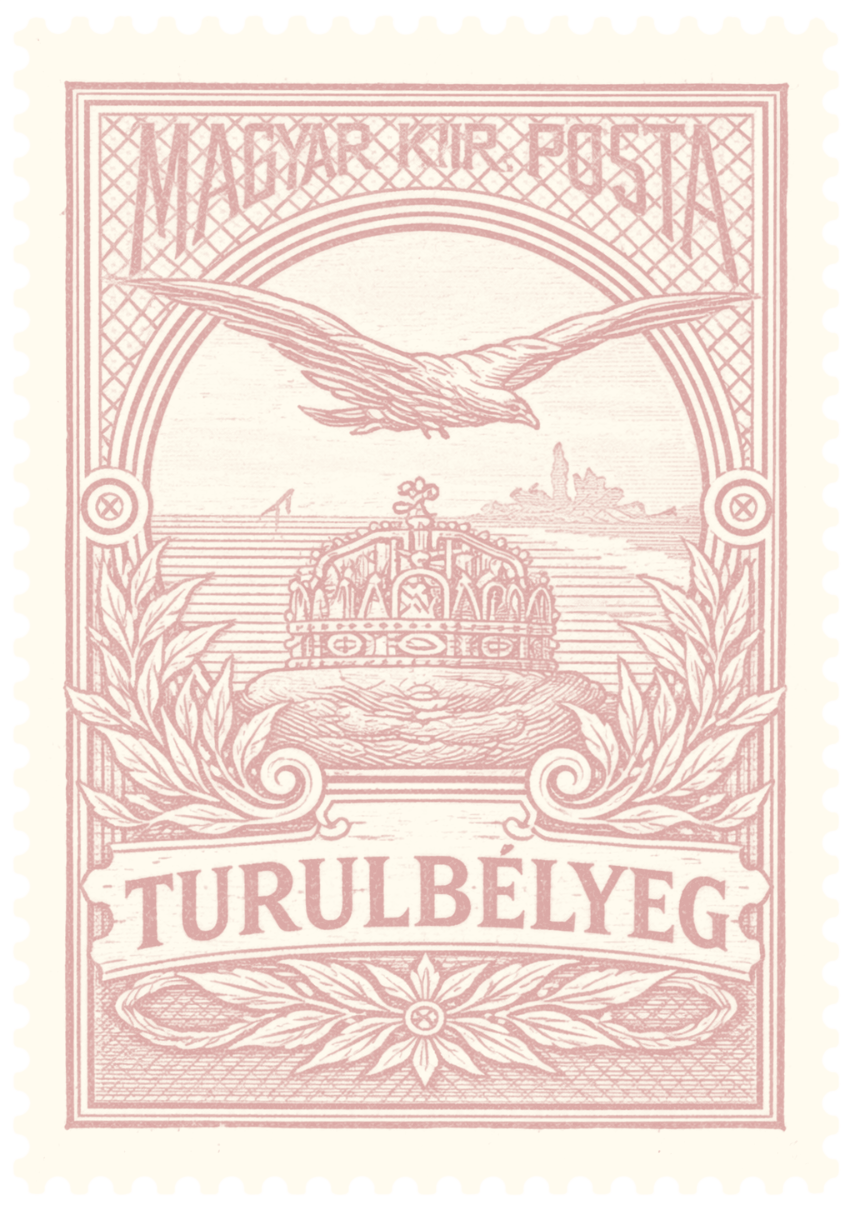
Indiai vörös
#DCAAA6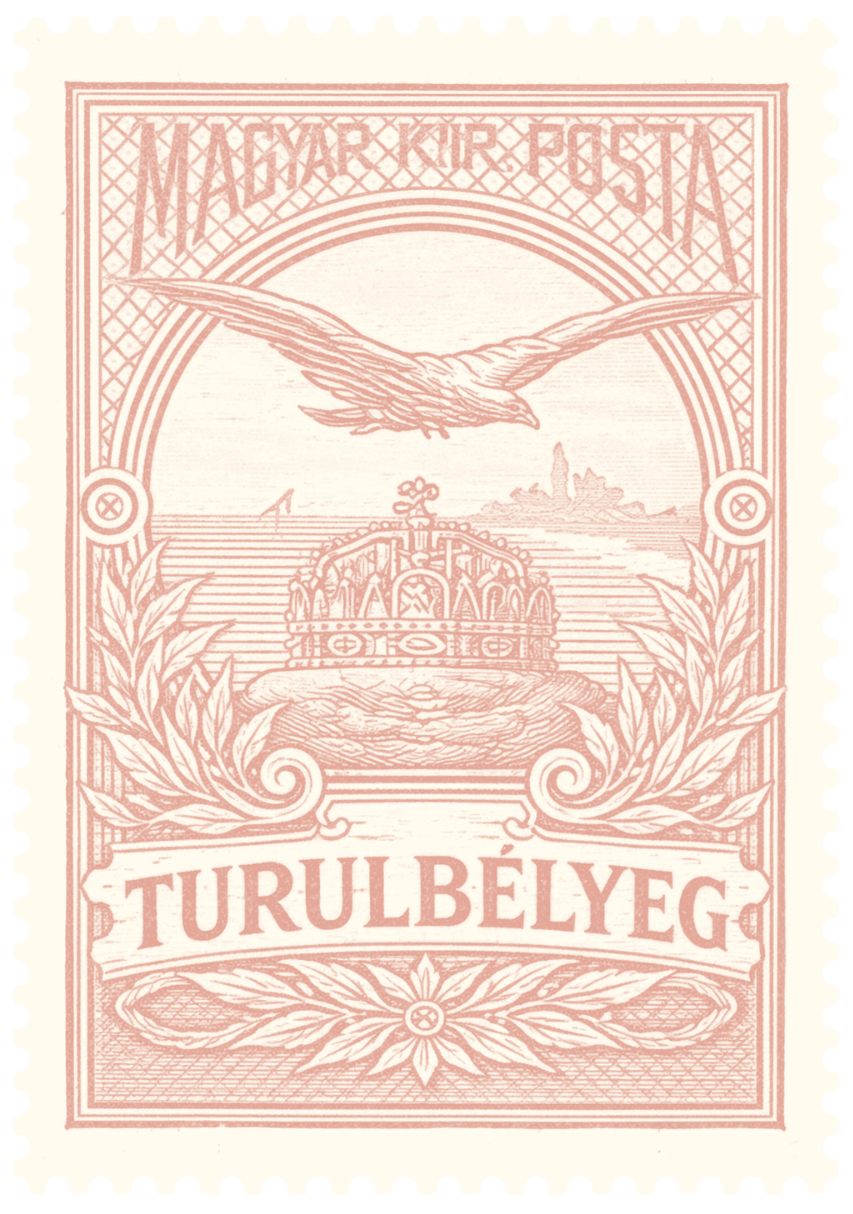
Lazacszín
#E4A899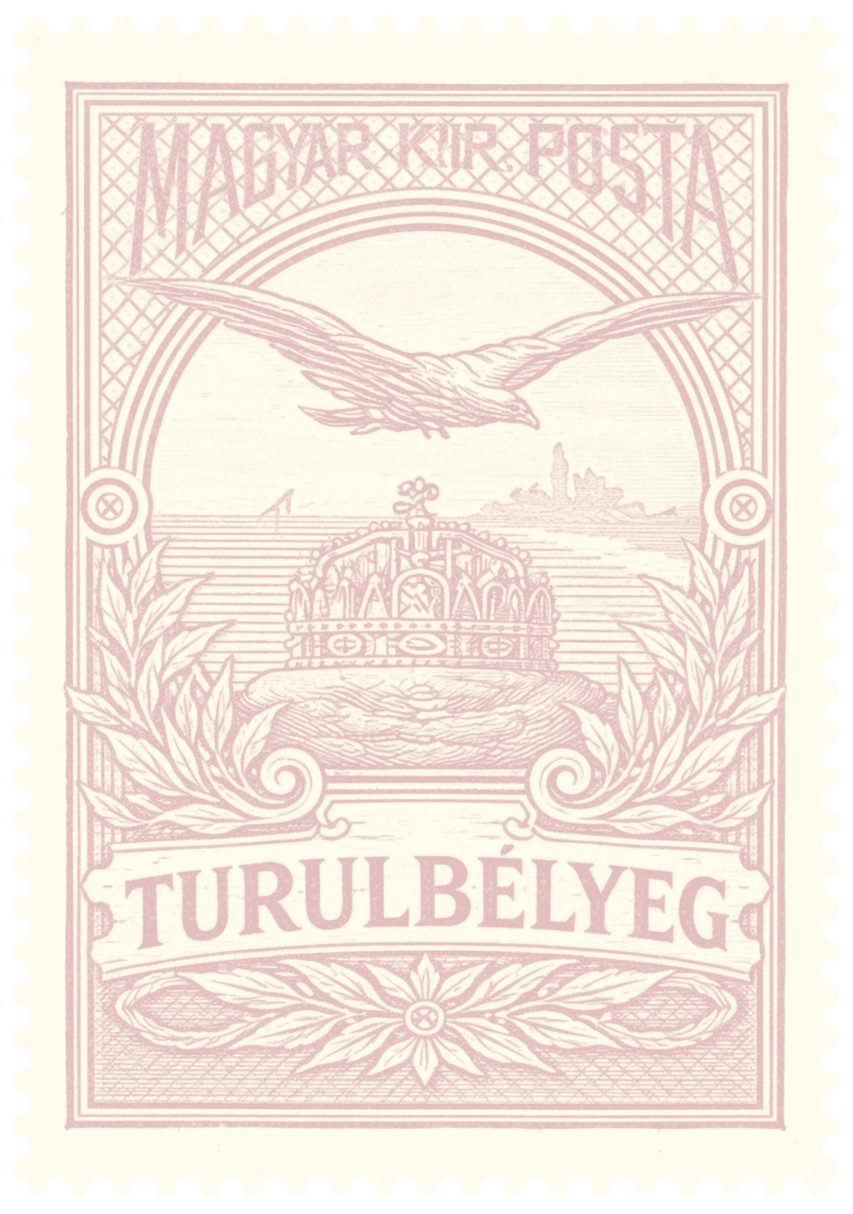
Rózsaszín
#E2BFBE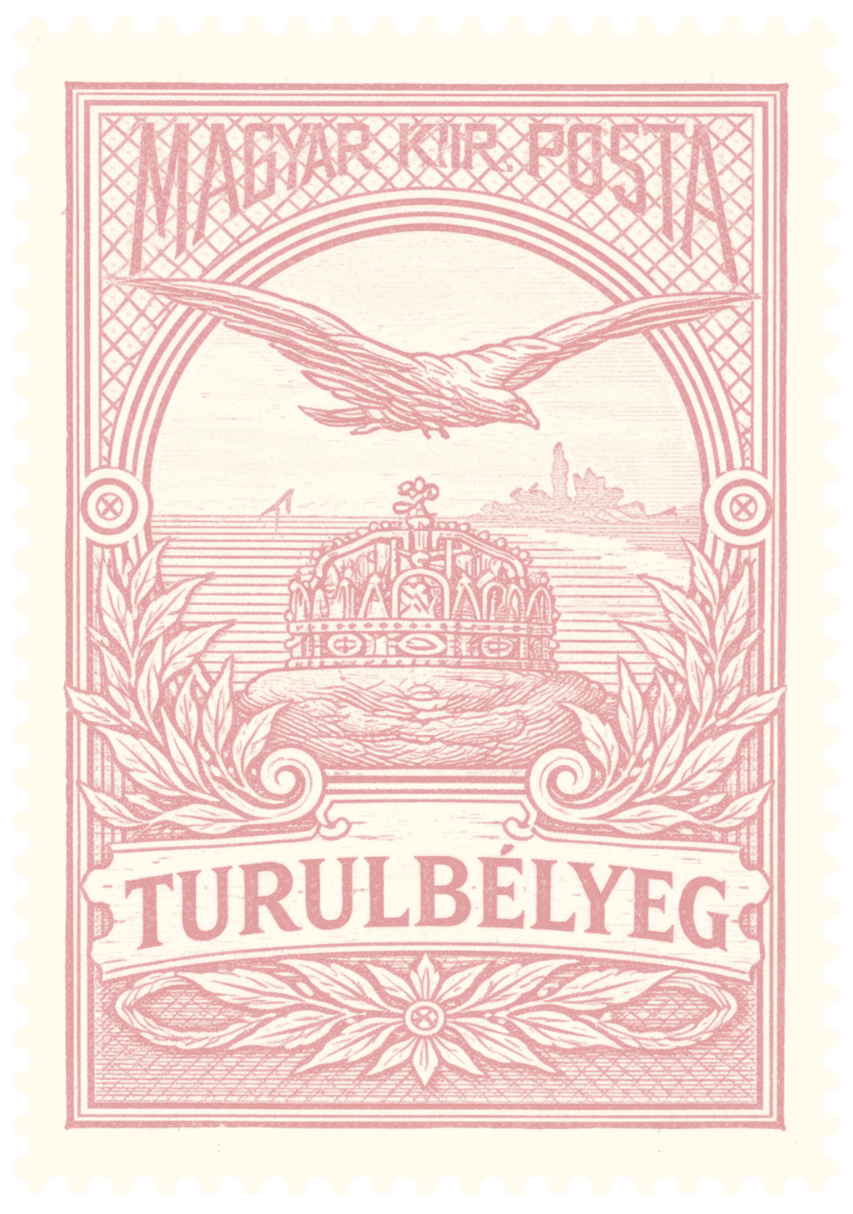
Rózsavörös
#E3A0A1The HEX code is a digital reference. Display and printing affect the shade you see.
Same design · consistent image size · English and Hungarian names
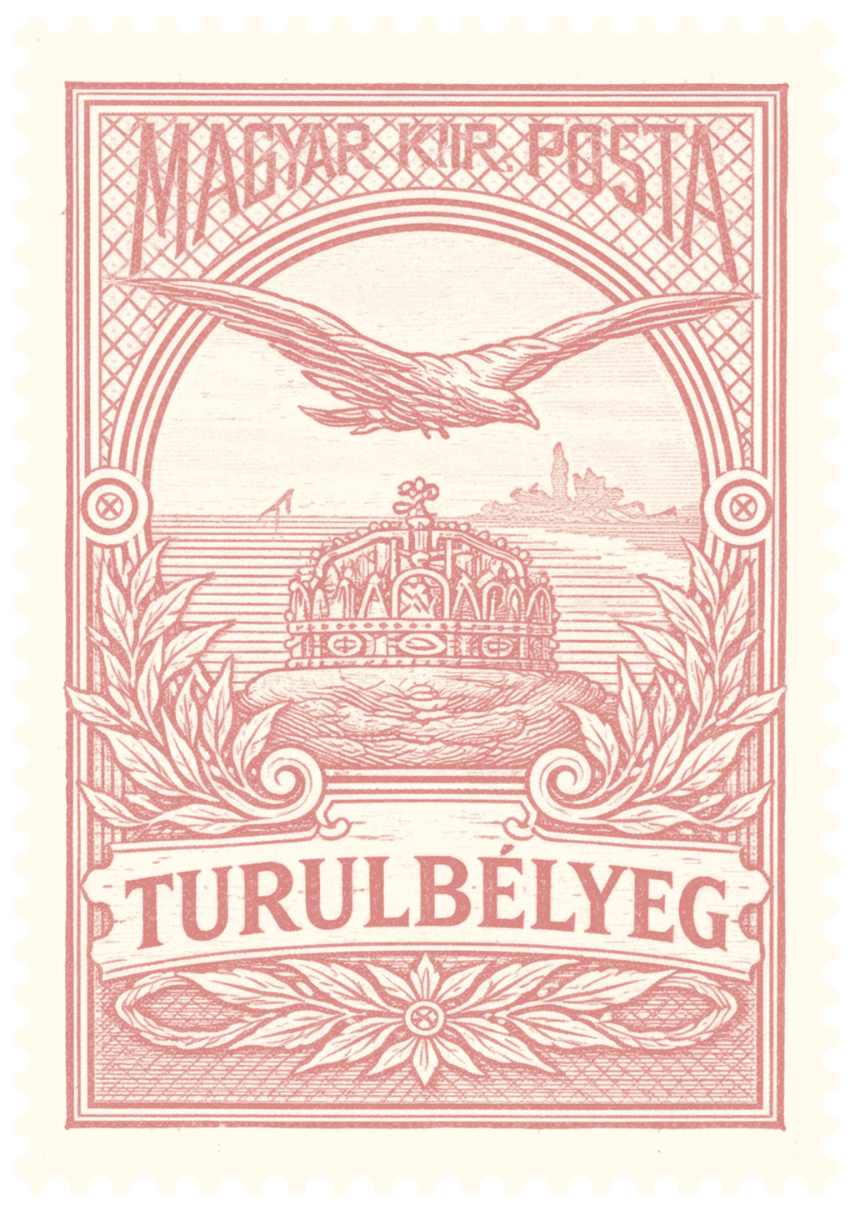
Skarlát-cinóbervörös
#DB8984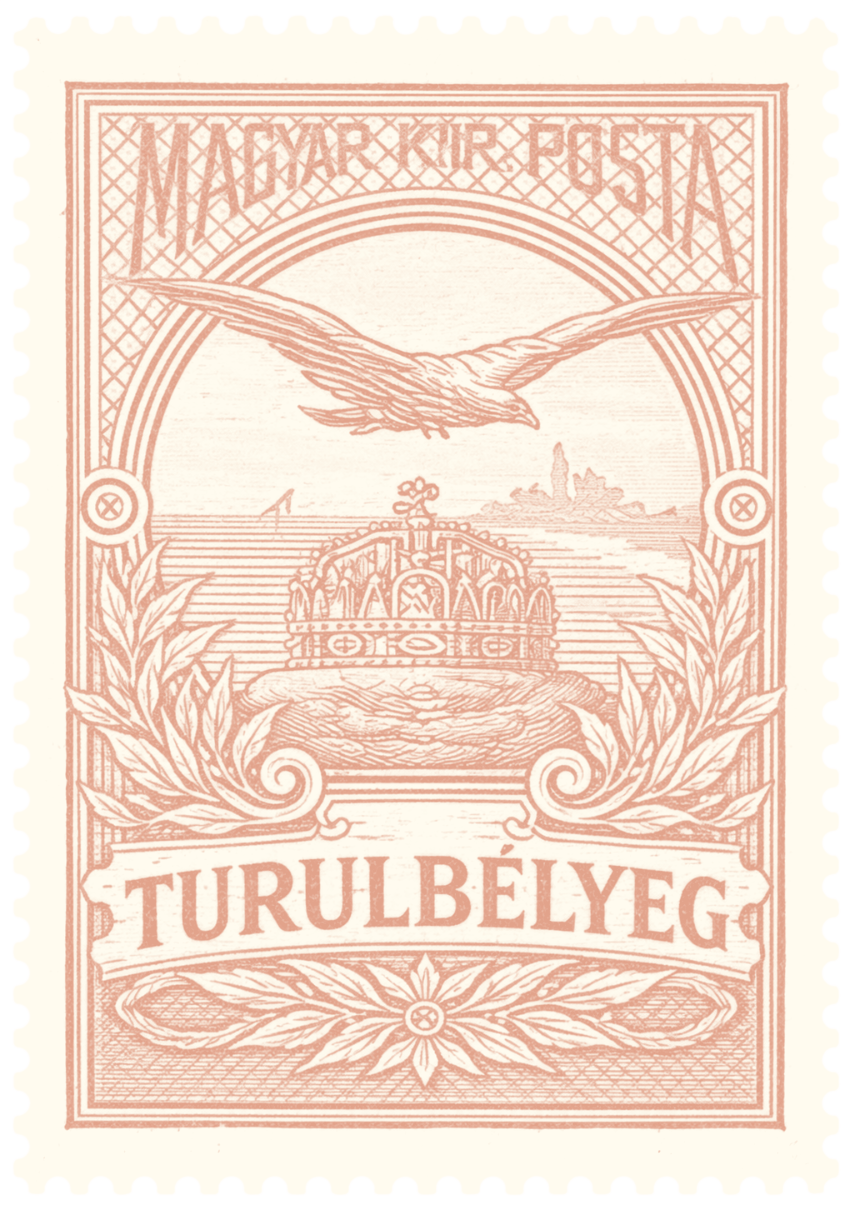
Halvány cinóbervörös
#E3A38C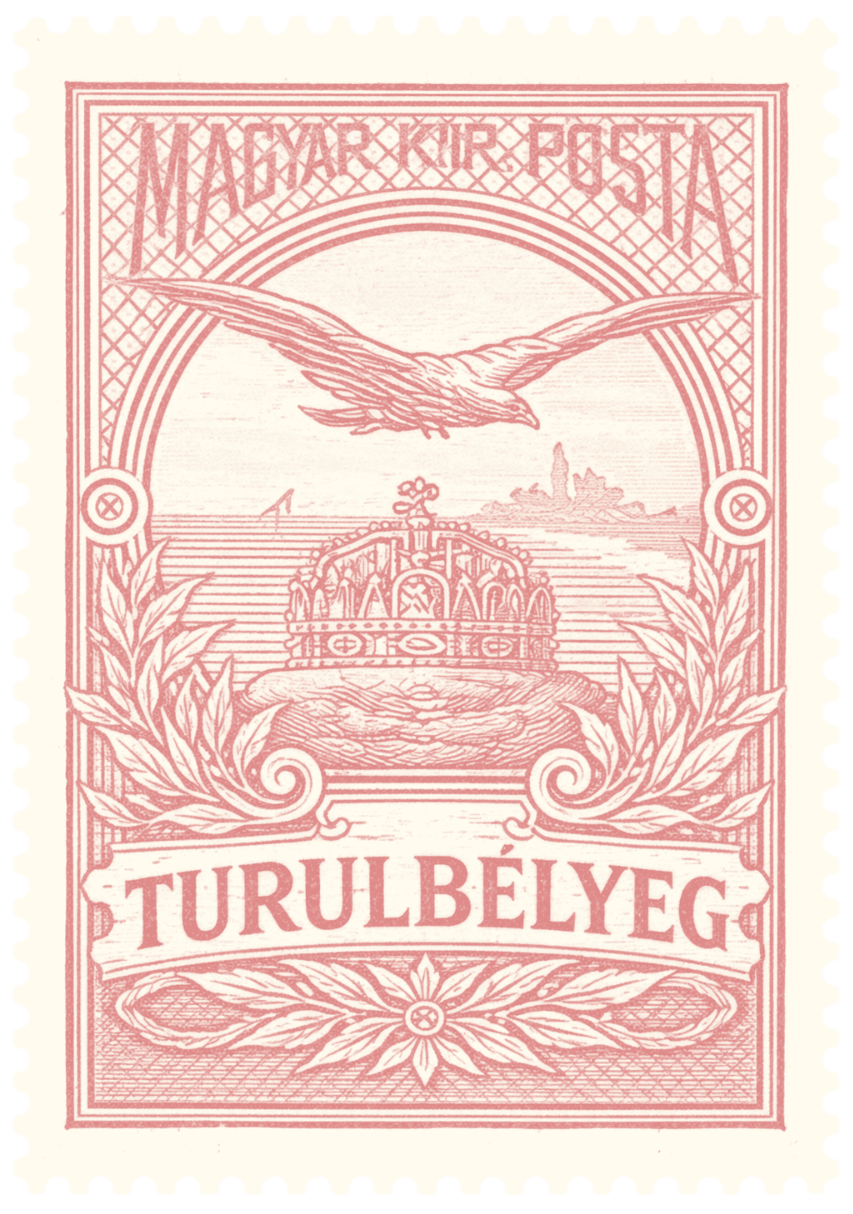
Cinóbervörös
#E08B8A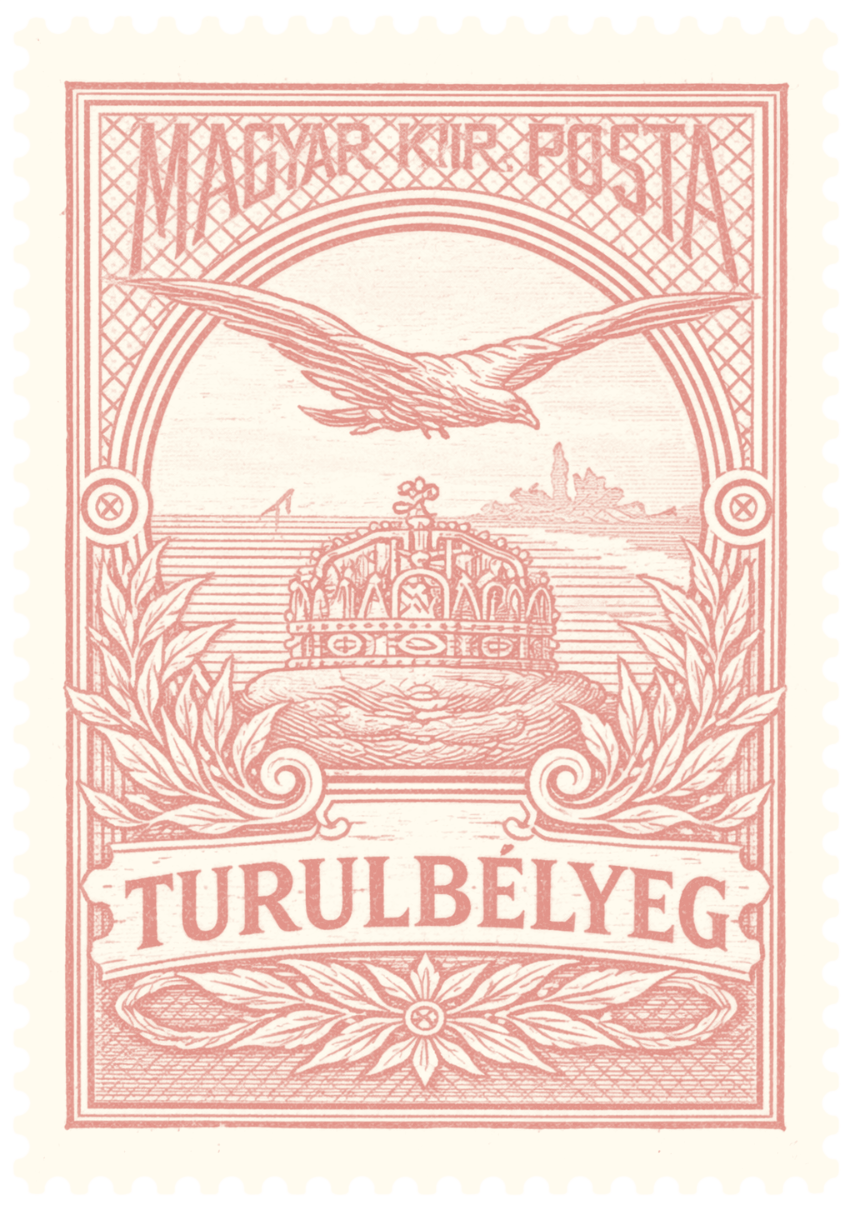
Narancsos cinóbervörös
#E2958A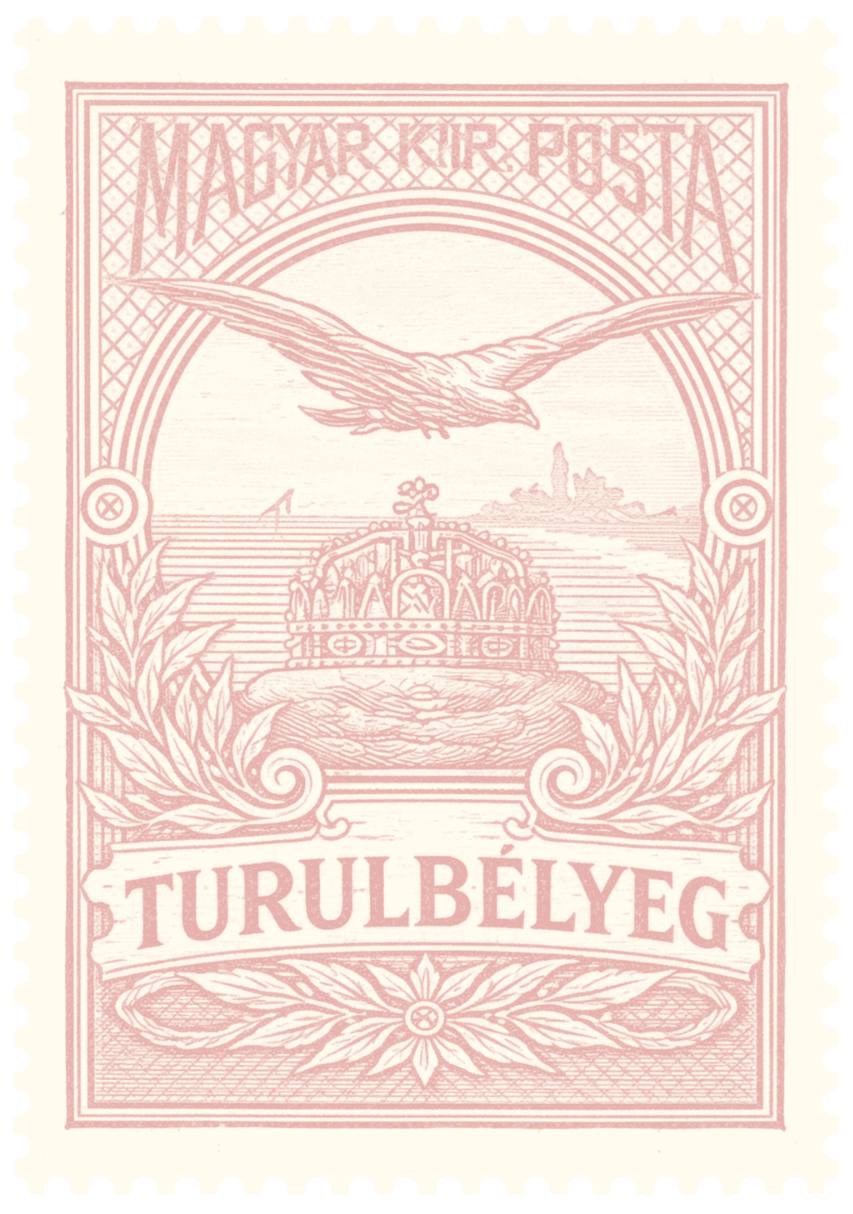
Narancsos cinóbervörös
#E7B2AE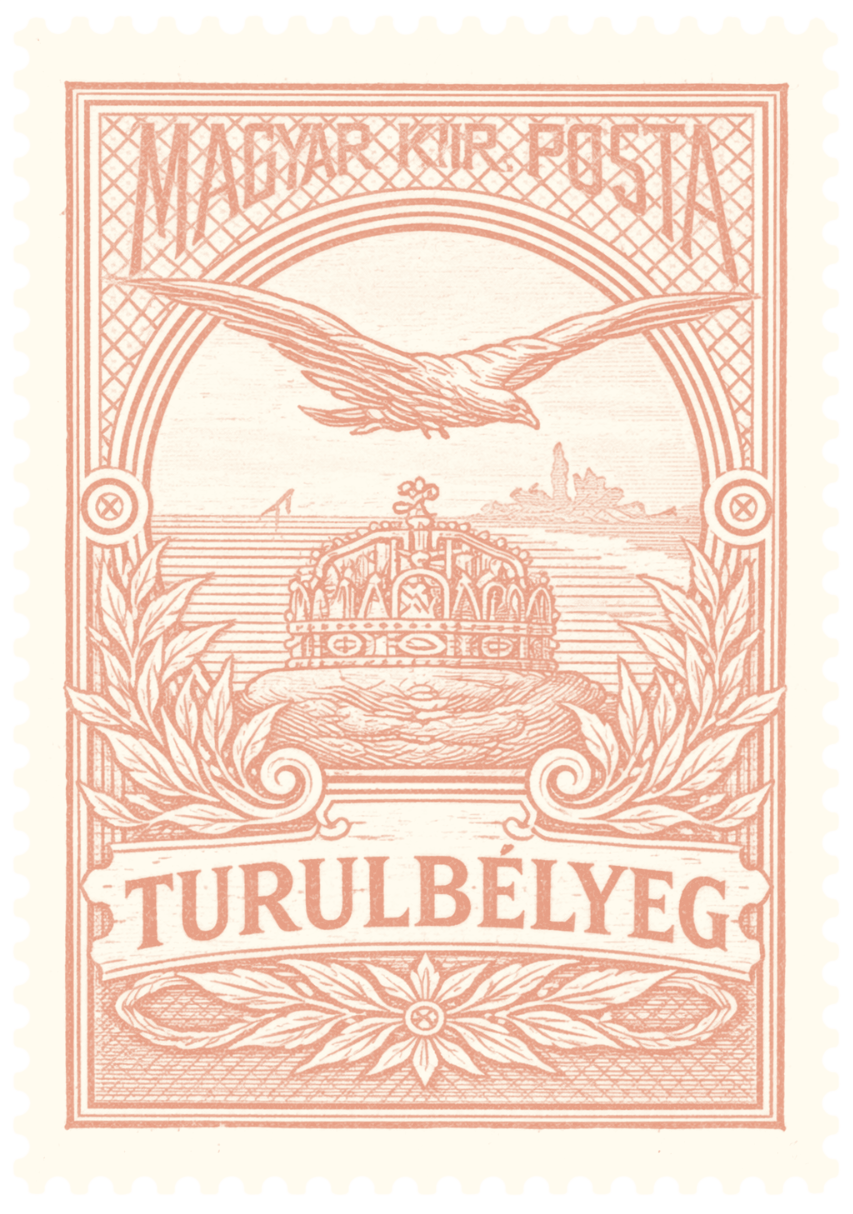
Narancssárga
#E8A086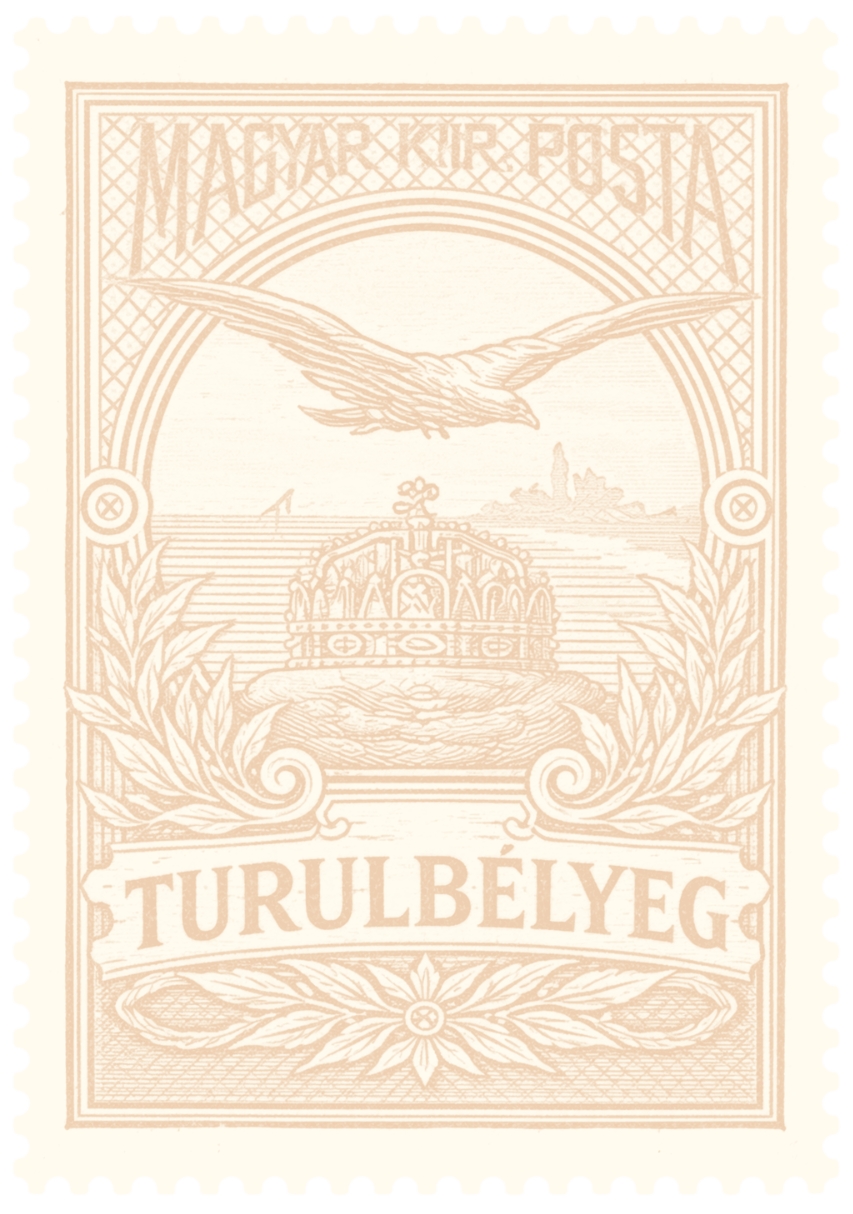
Narancssárgás sárga
#EFD0B2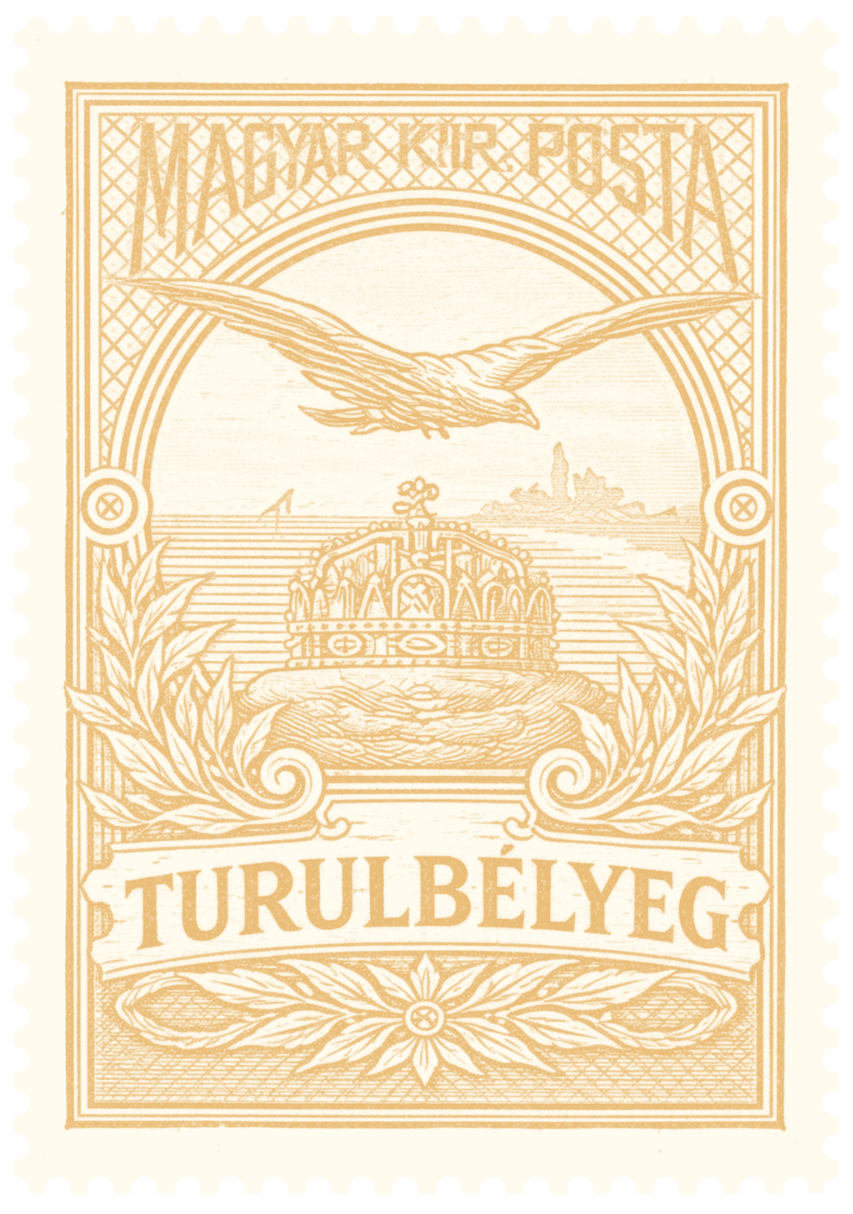
Krómsárga
#EBBE78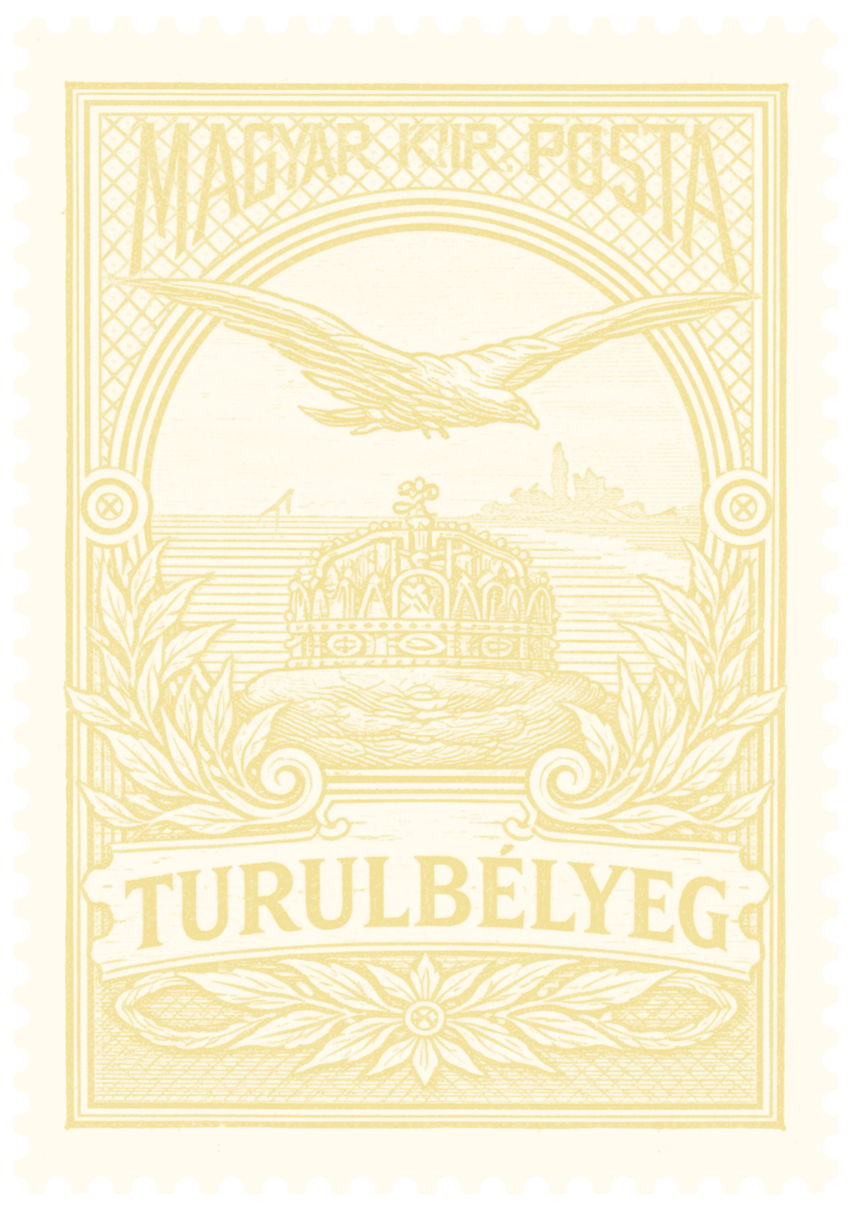
Élénksárga
#F3E19A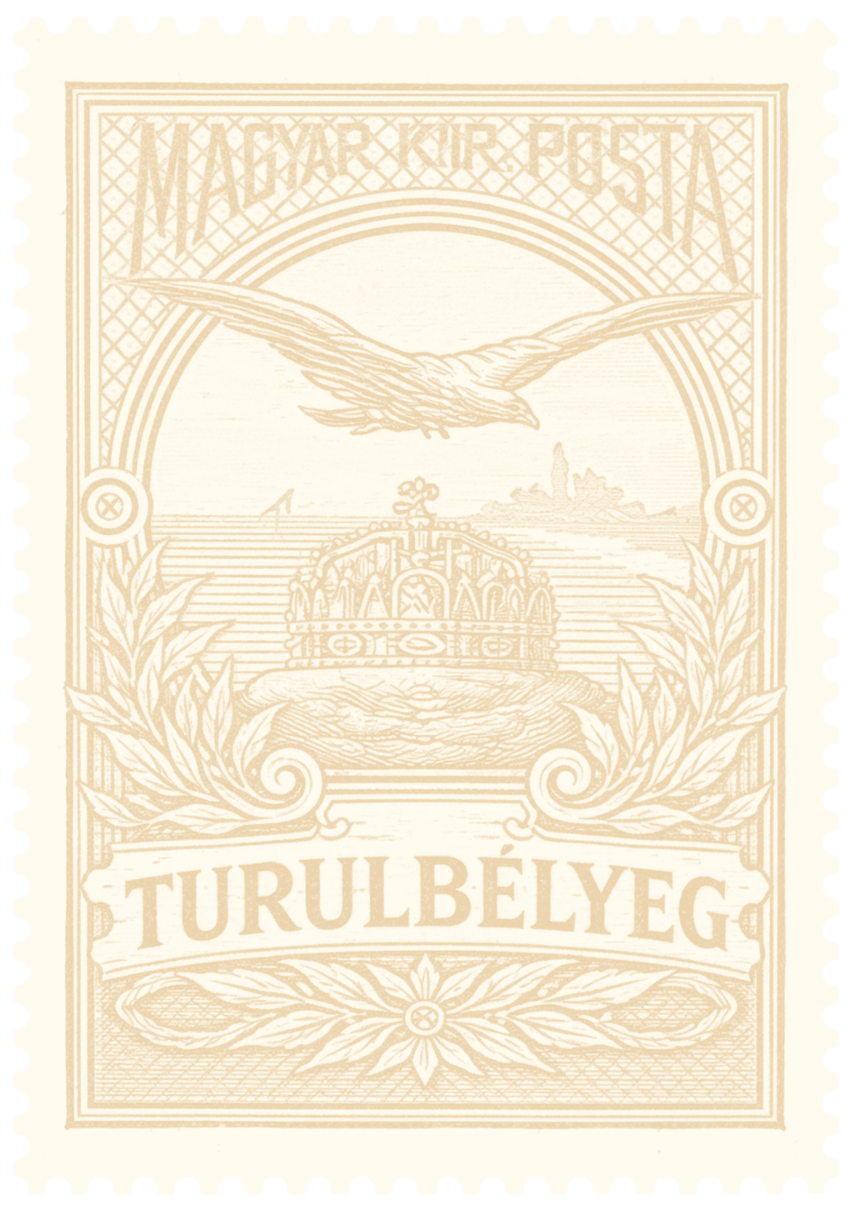
Tompasárga
#ECD5AEThe HEX code is a digital reference. Display and printing affect the shade you see.
Same design · consistent image size · English and Hungarian names
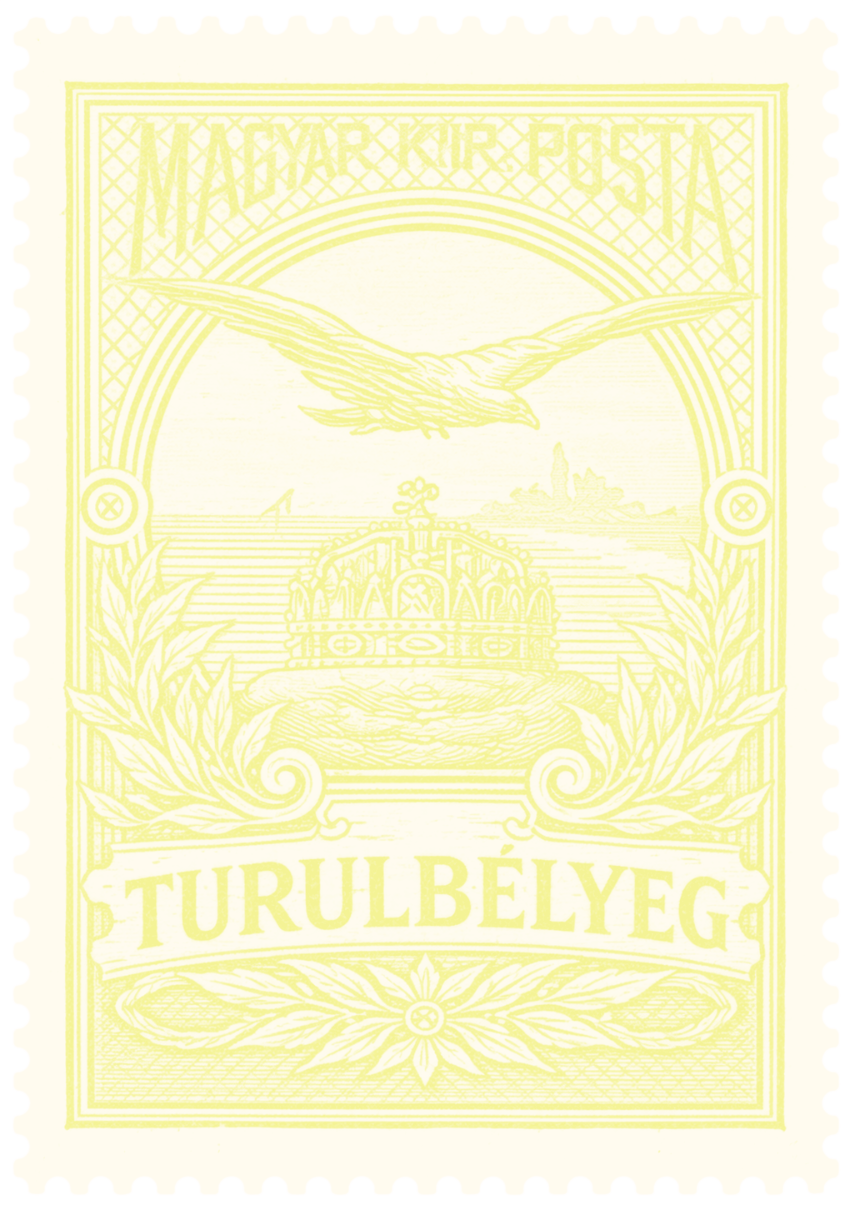
Citromsárga
#F5F495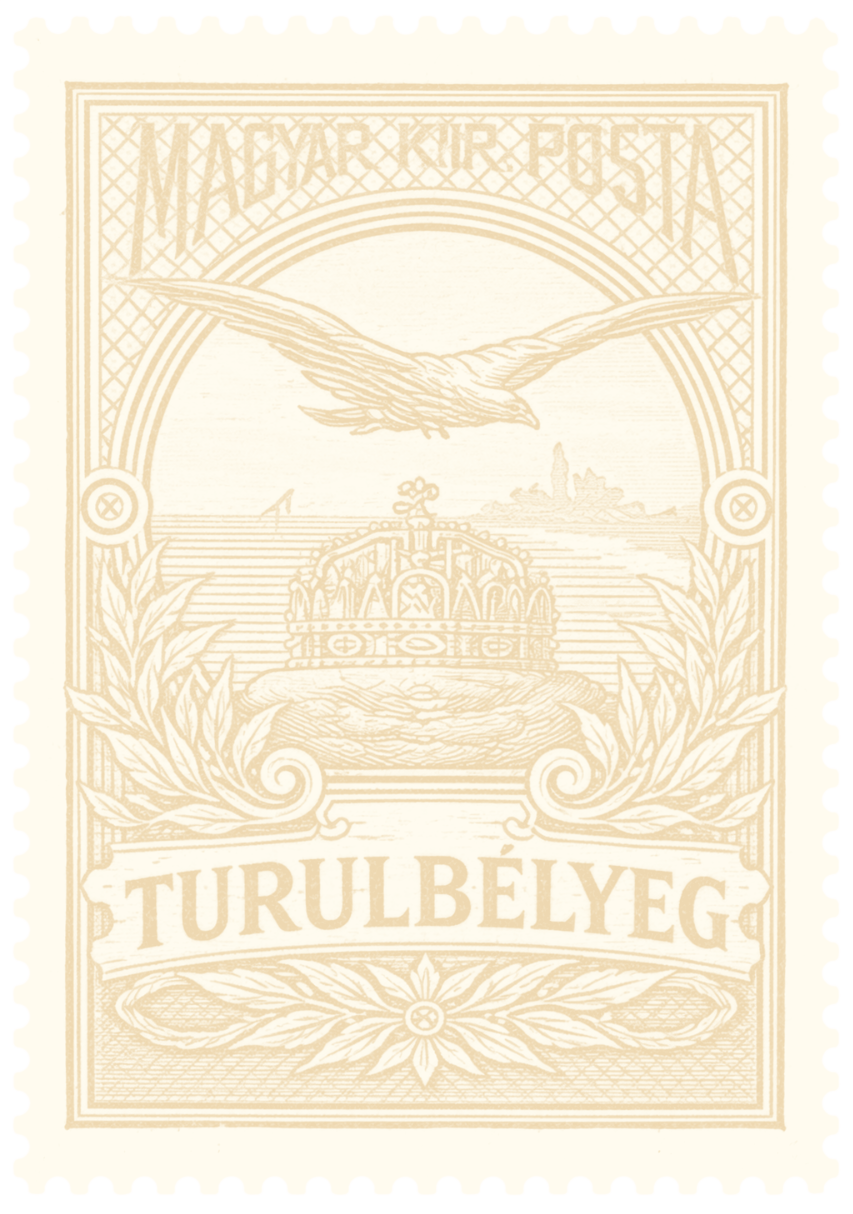
Okkersárga
#EFD9B1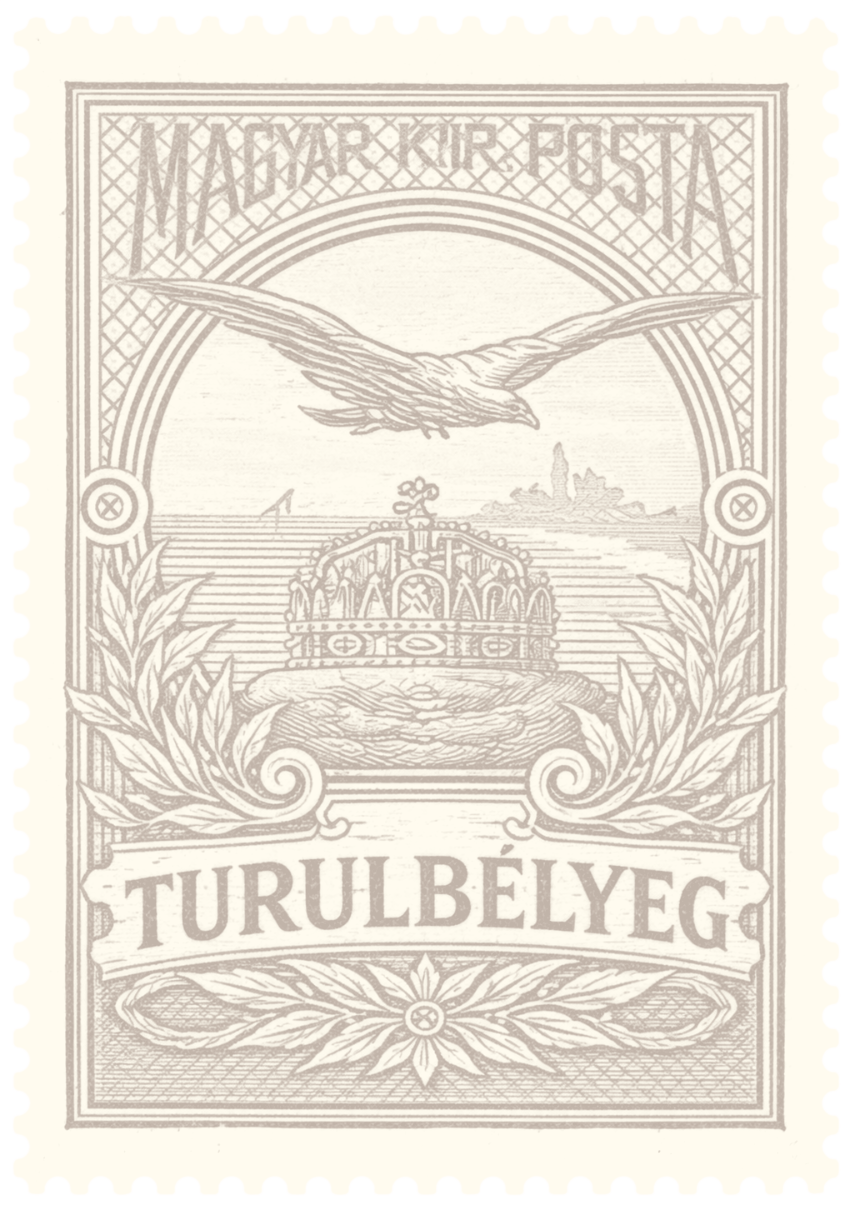
Szürkésbarna
#C2B4AA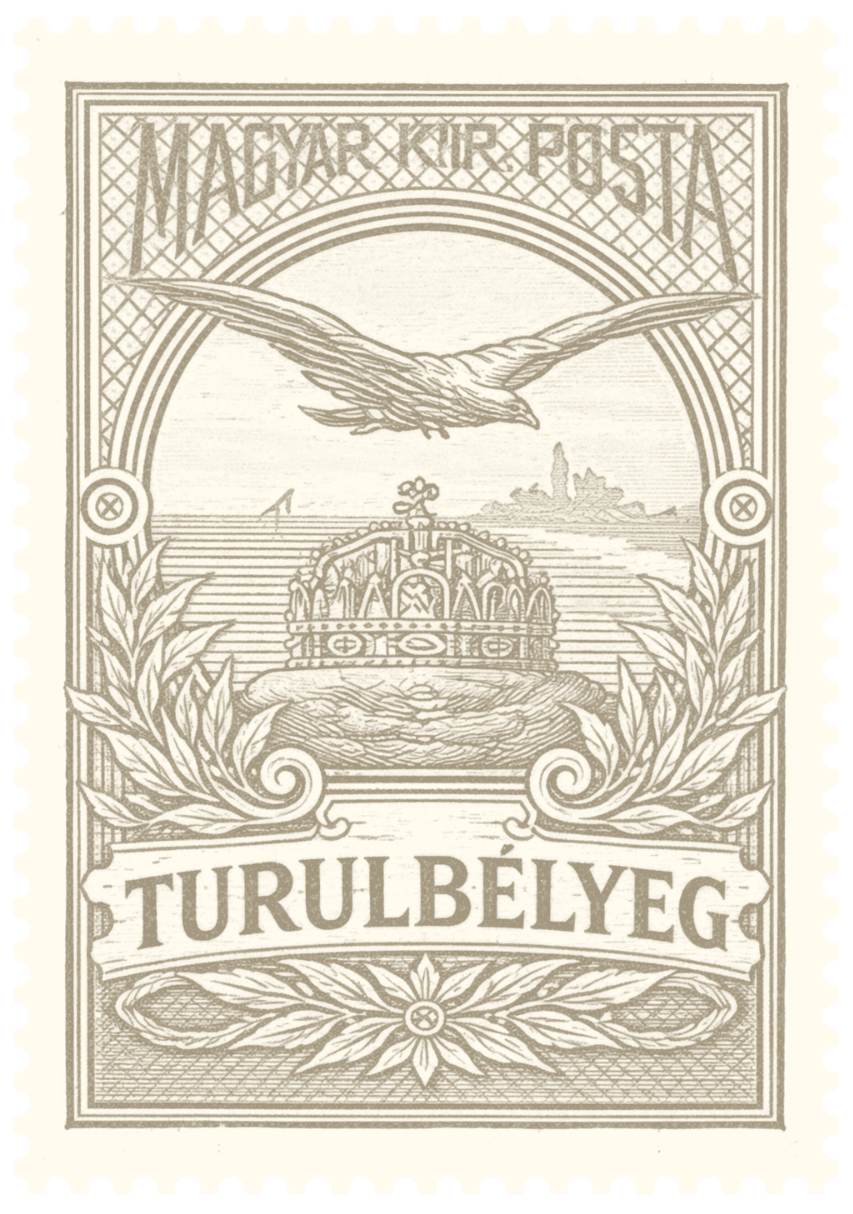
Olívás szürkésbarna
#A59880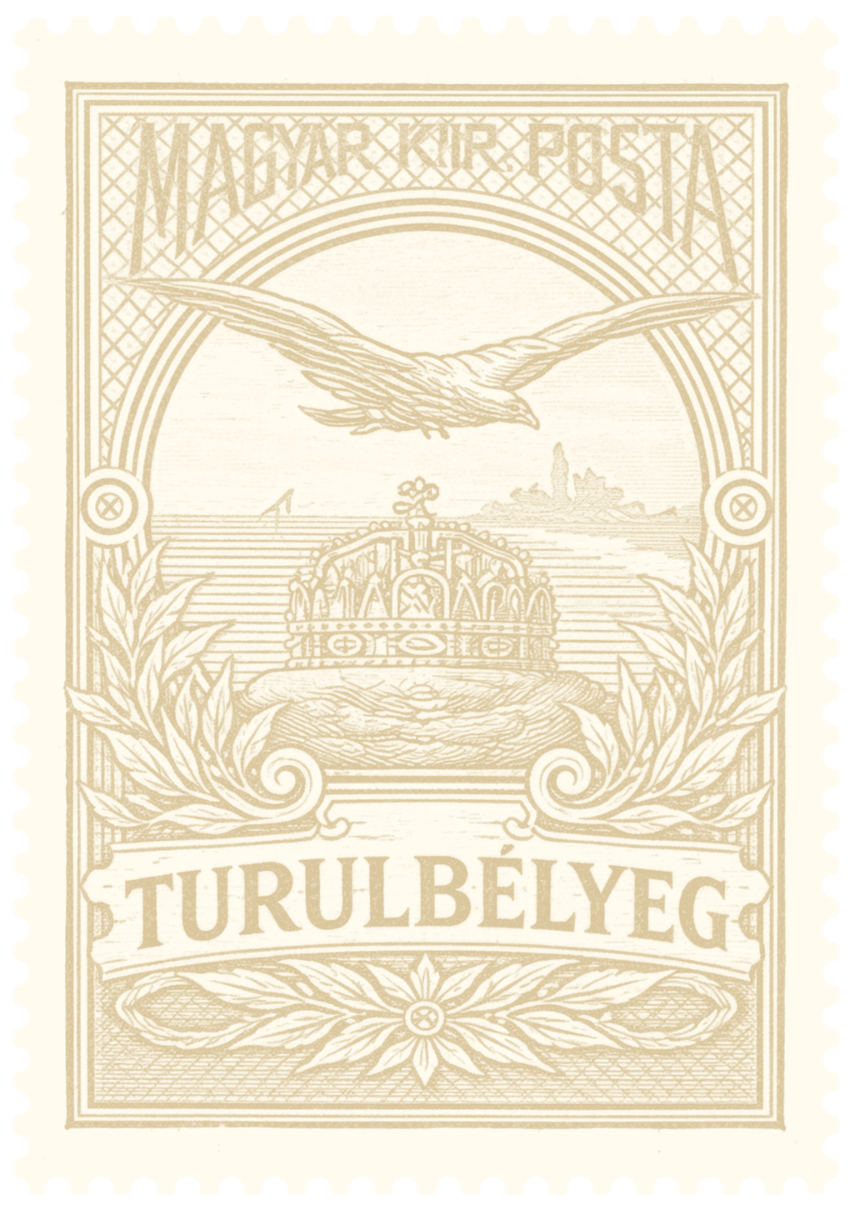
Olívás biszter
#DCC89E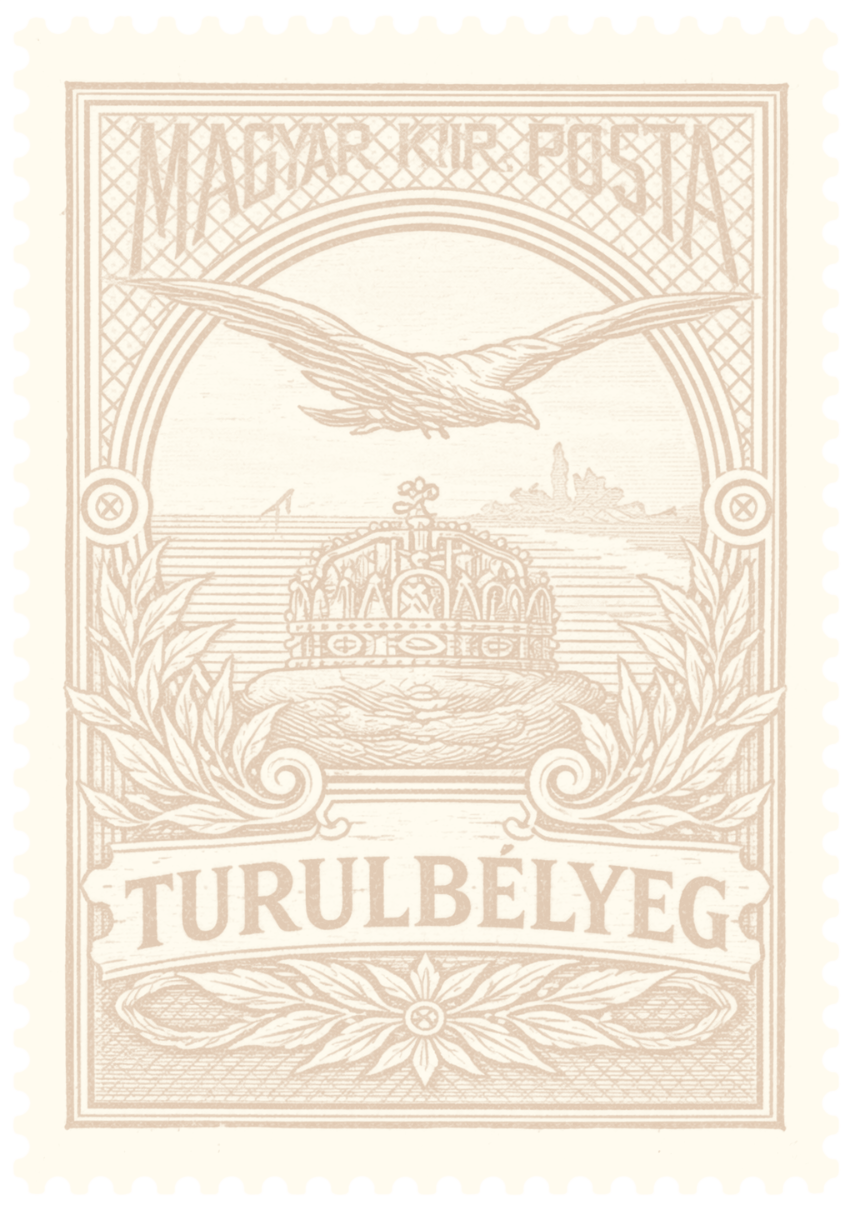
Biszter
#E2CBB5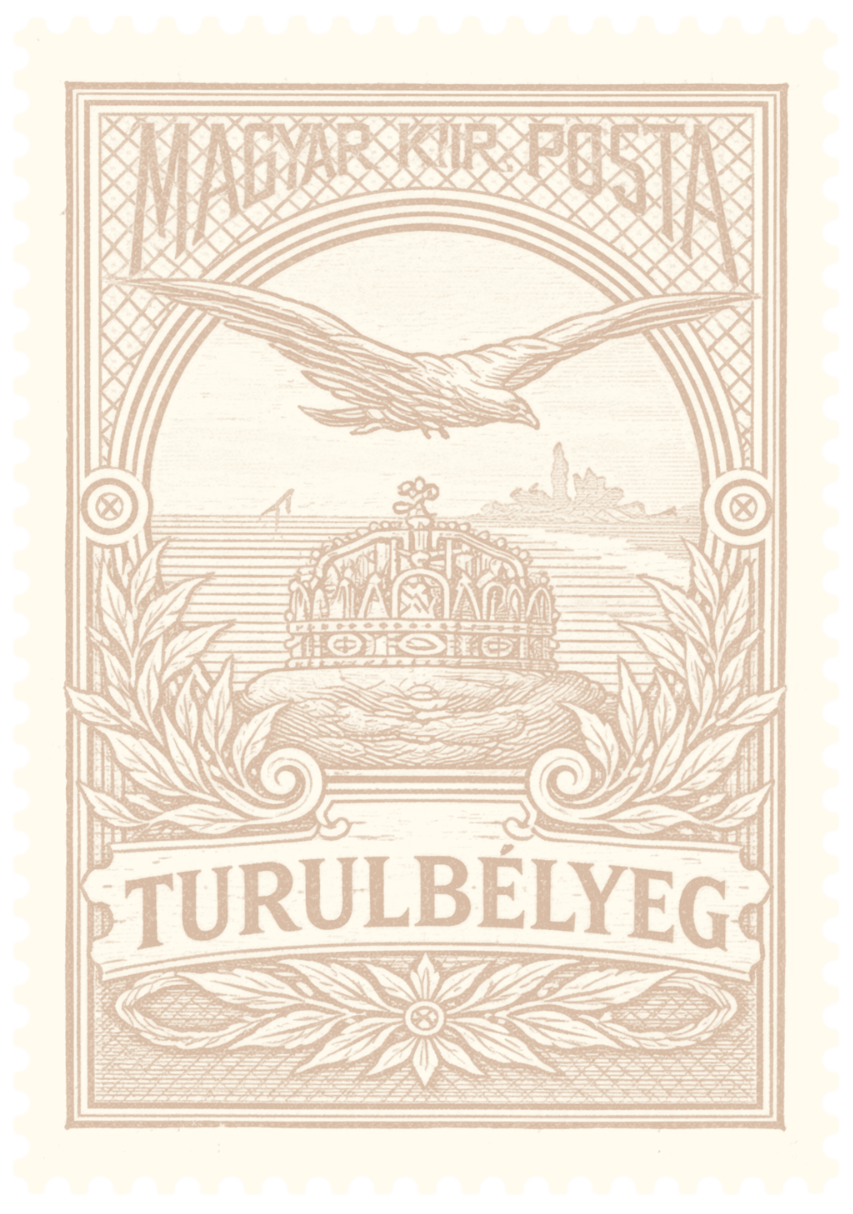
Biszterbarna
#D9BDA6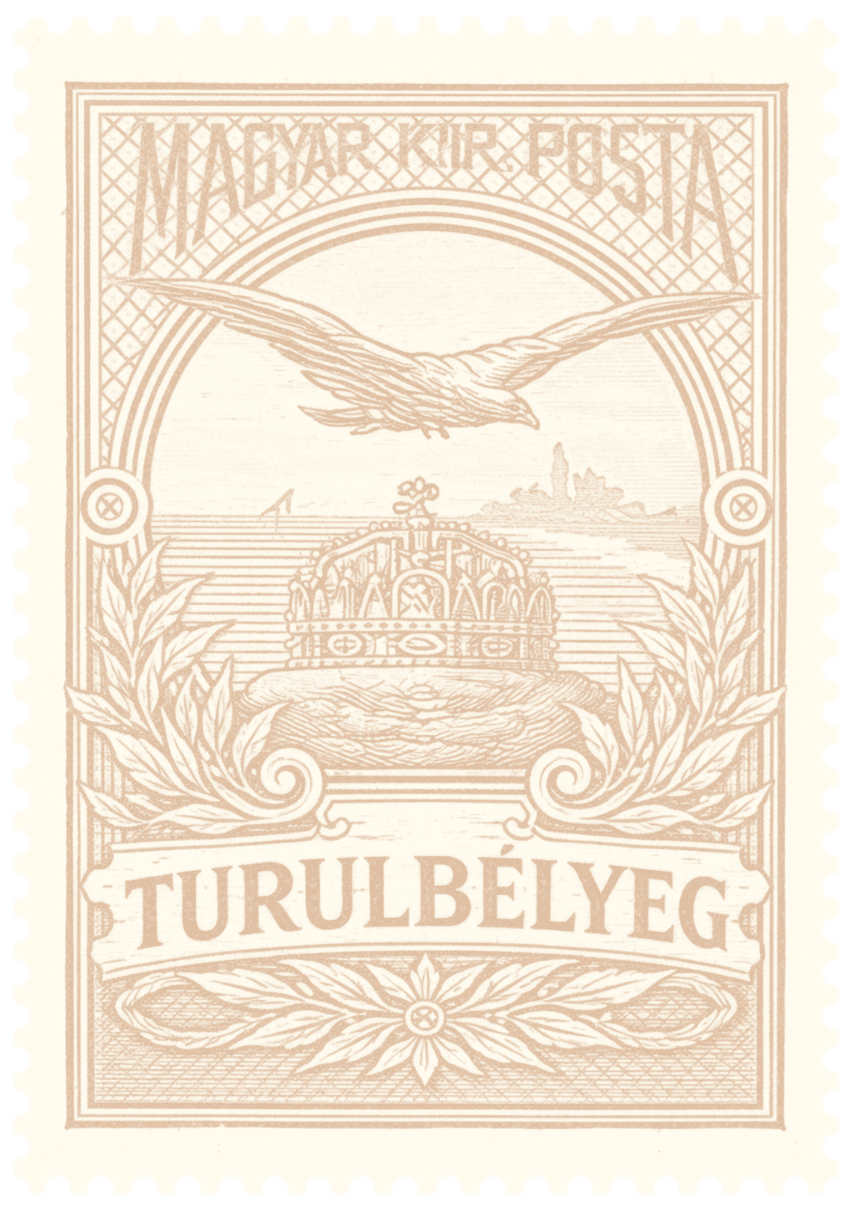
Bőrsárga
#E0C0A4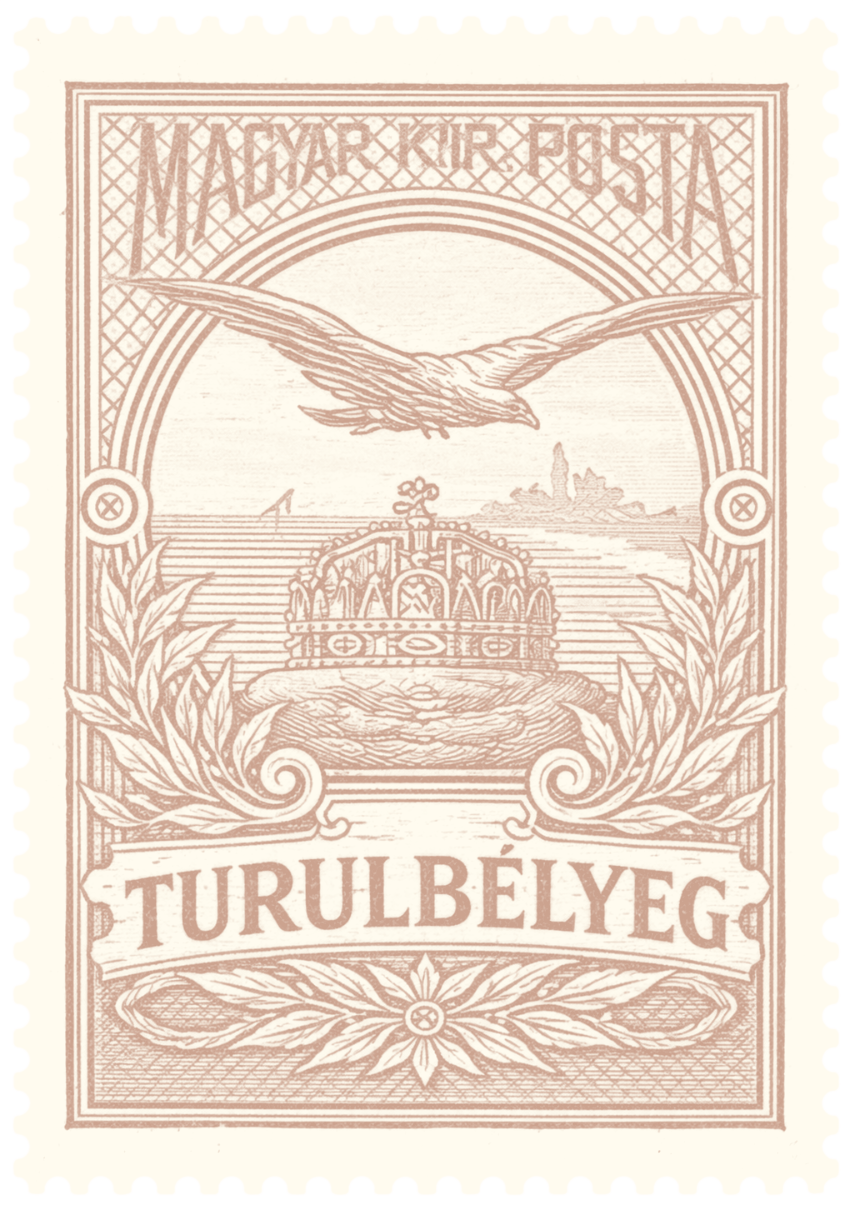
Sárgásbarna
#CCA390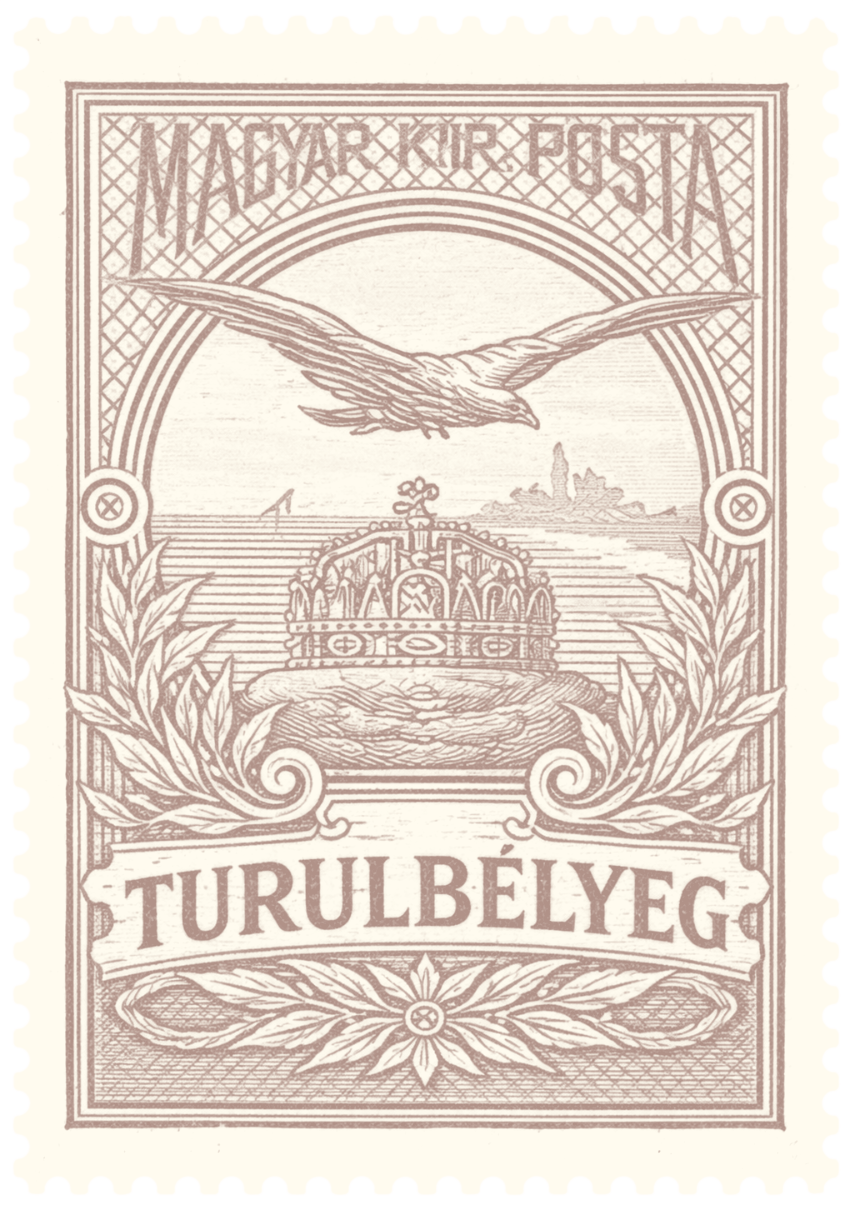
Barna
#B19289The HEX code is a digital reference. Display and printing affect the shade you see.
Same design · consistent image size · English and Hungarian names
Narancsbarna
#DEA390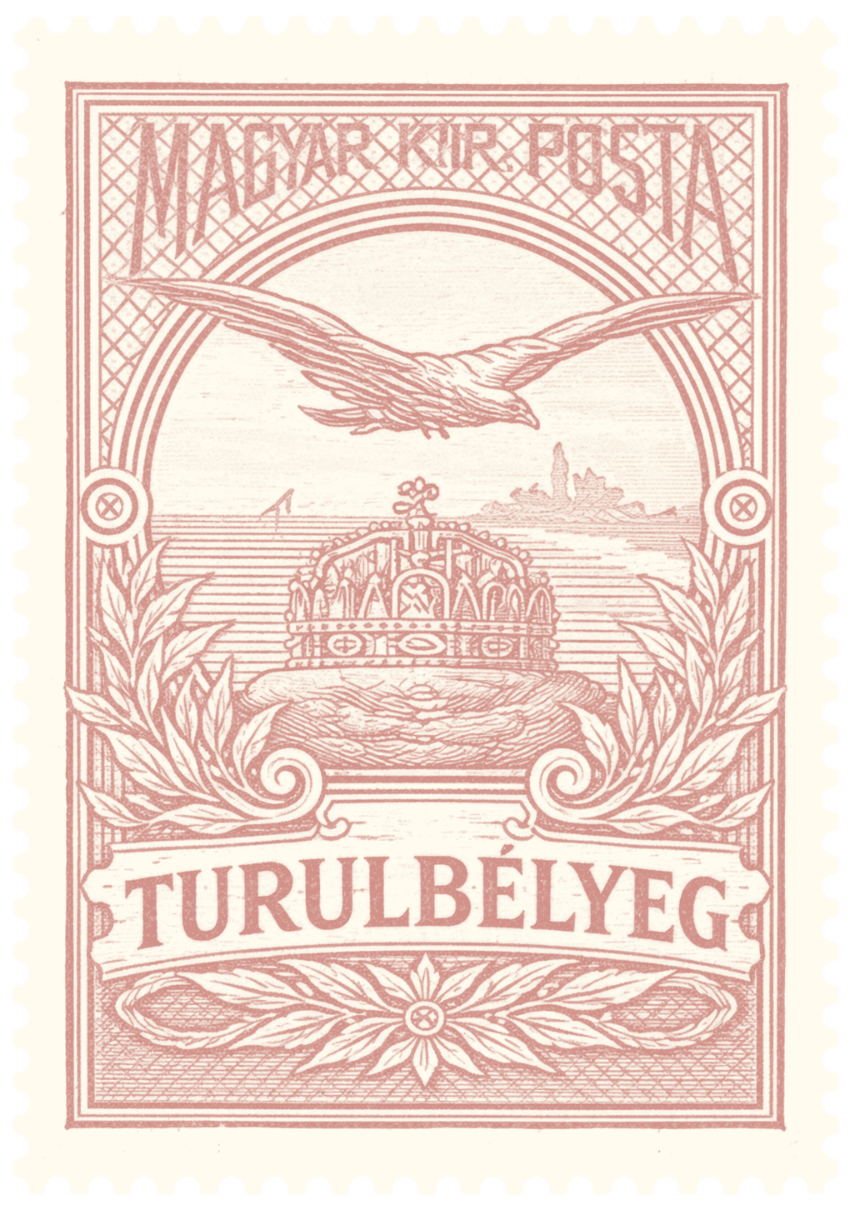
Gesztenyebarna
#D2938A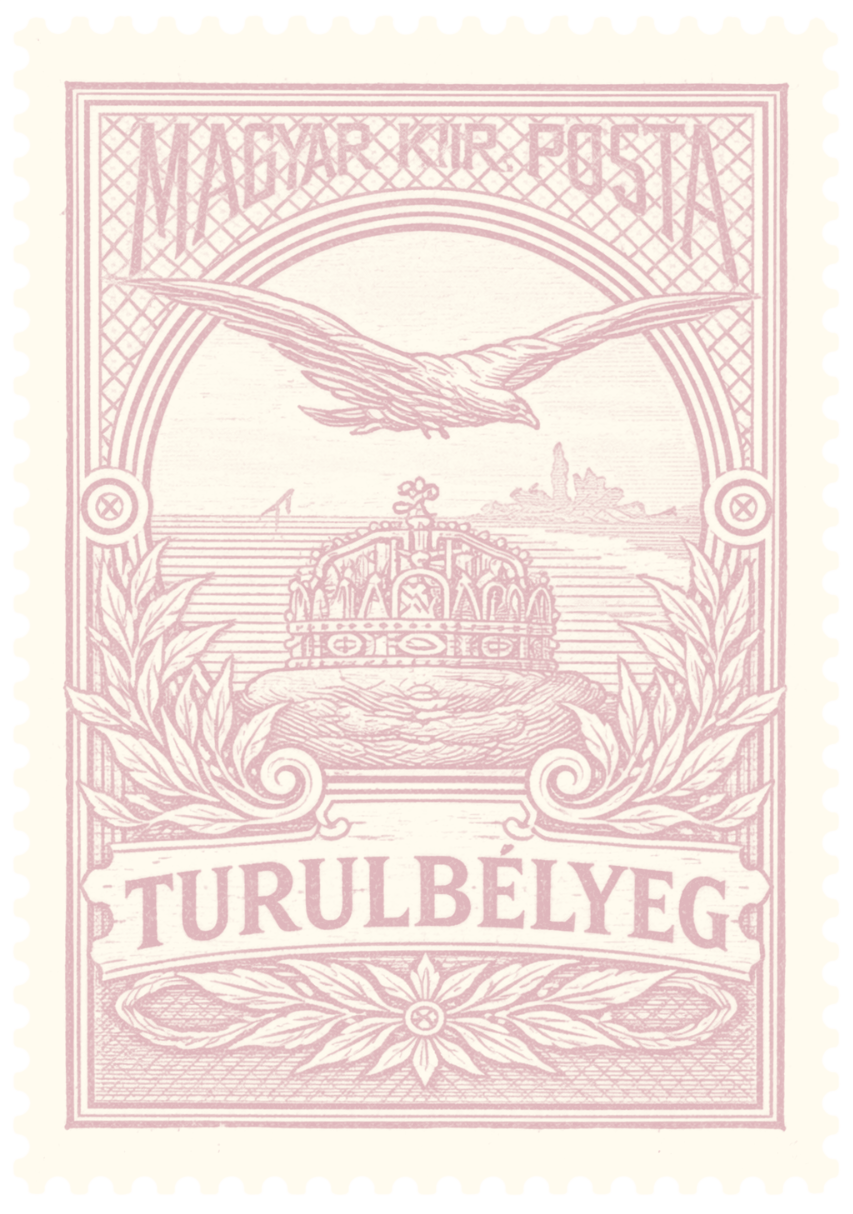
Velencei vörös
#E0B7BC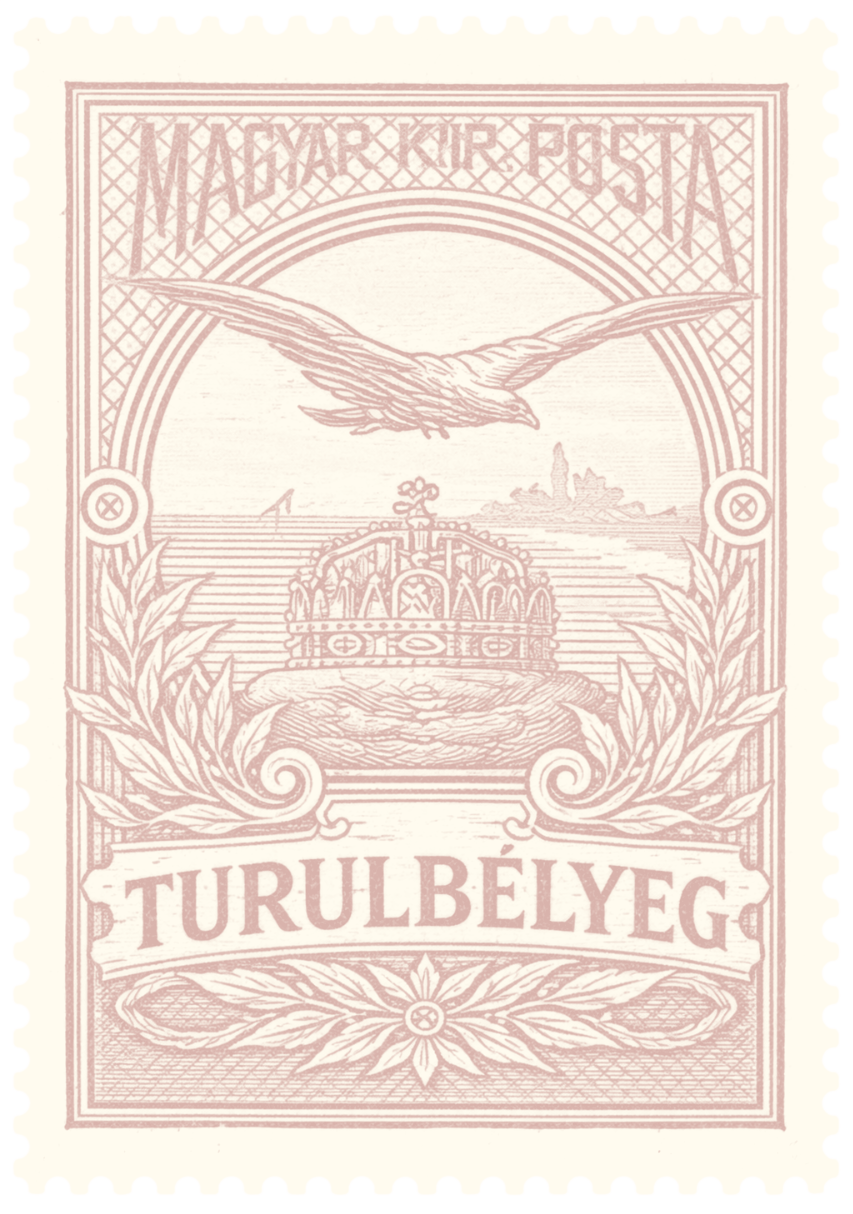
Fahéjbarna
#DAB4AD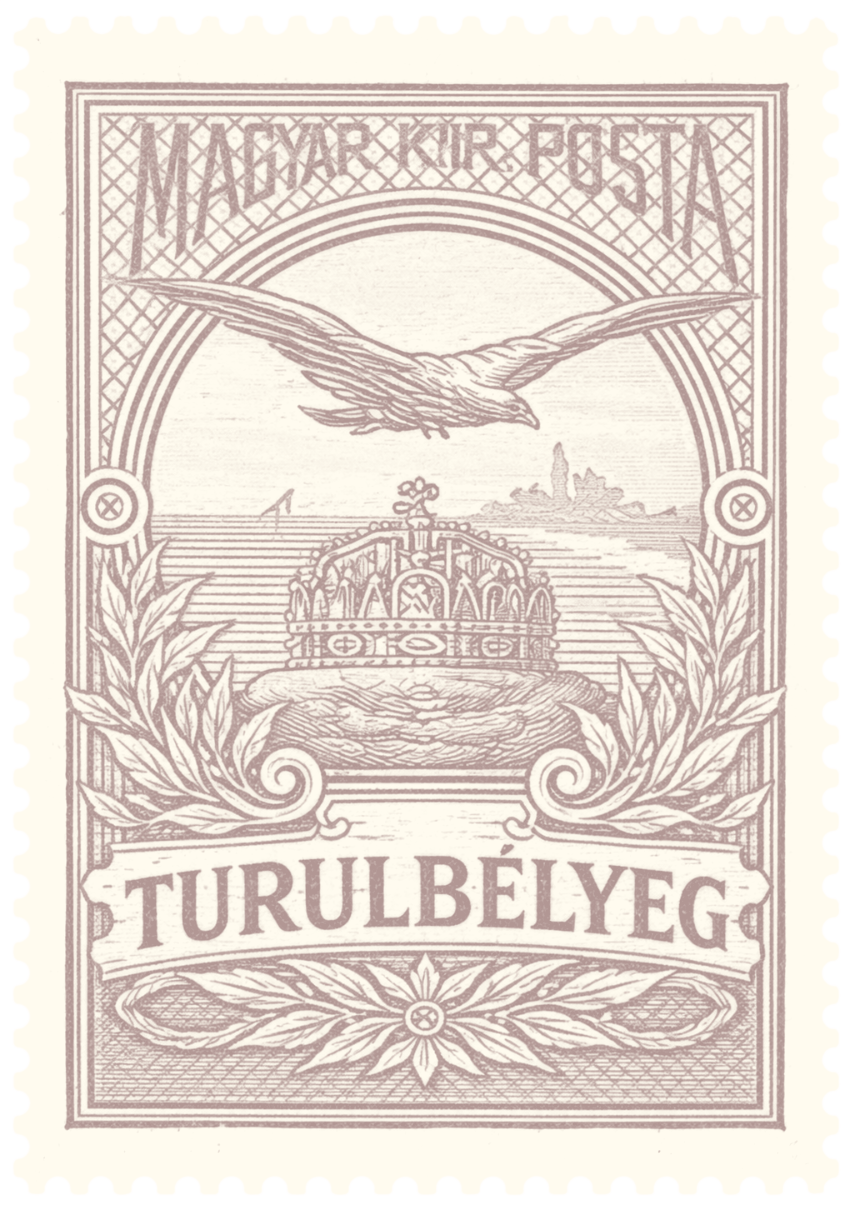
Csokoládébarna
#B29795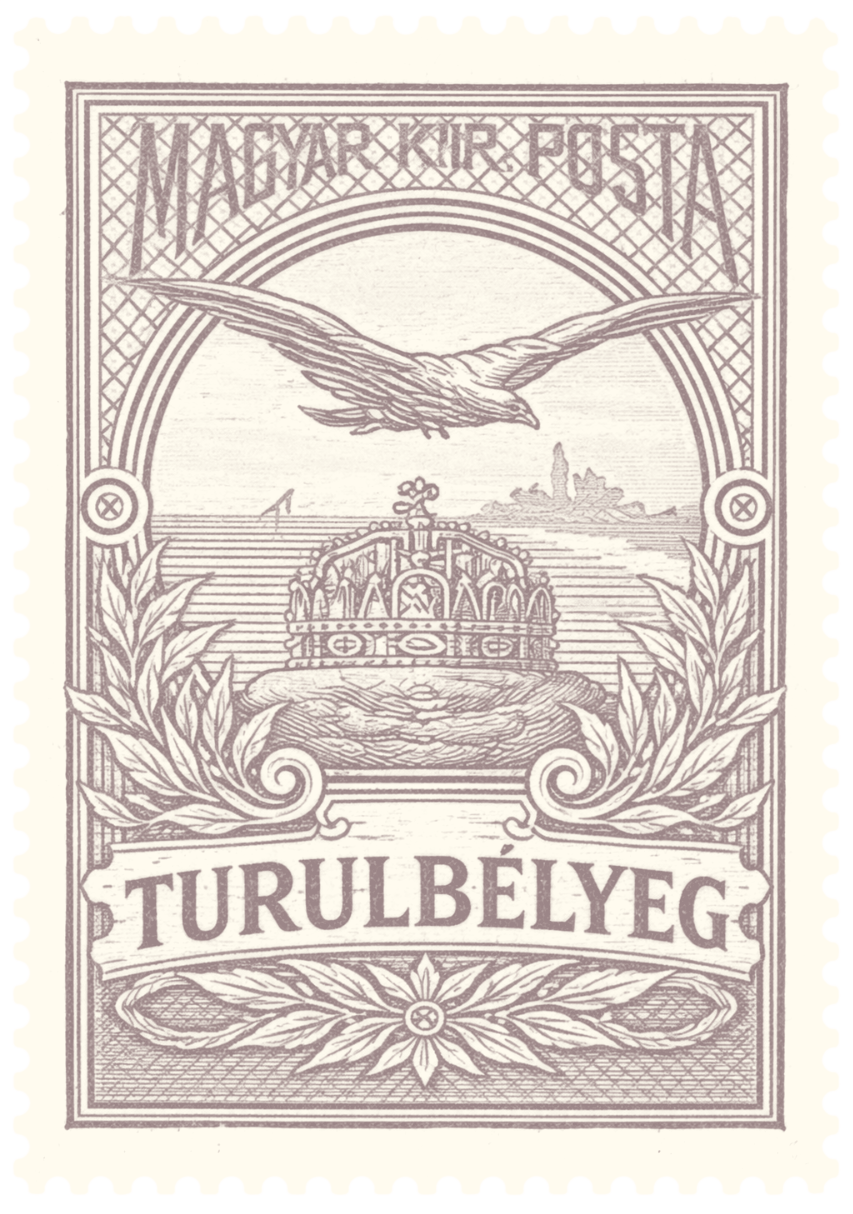
Barnás bíbor
#9D8788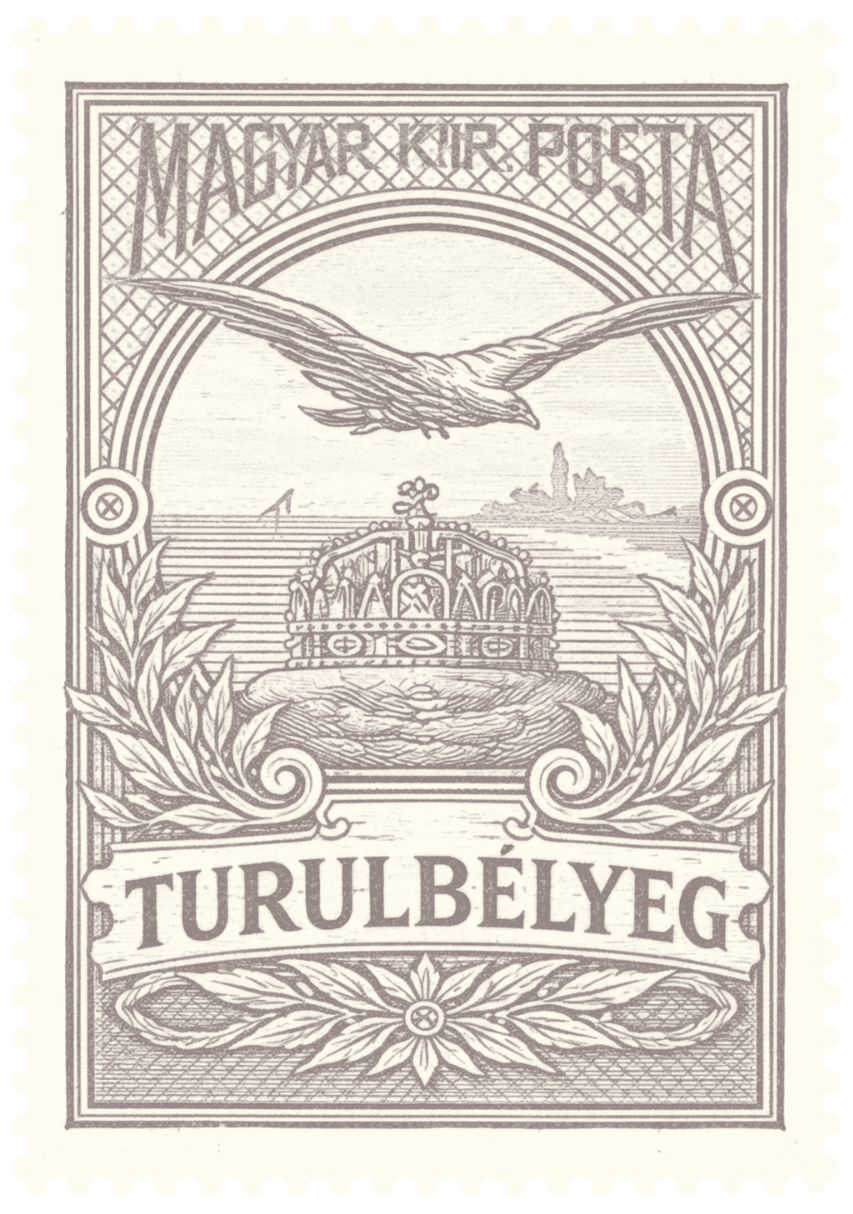
Szépia
#958784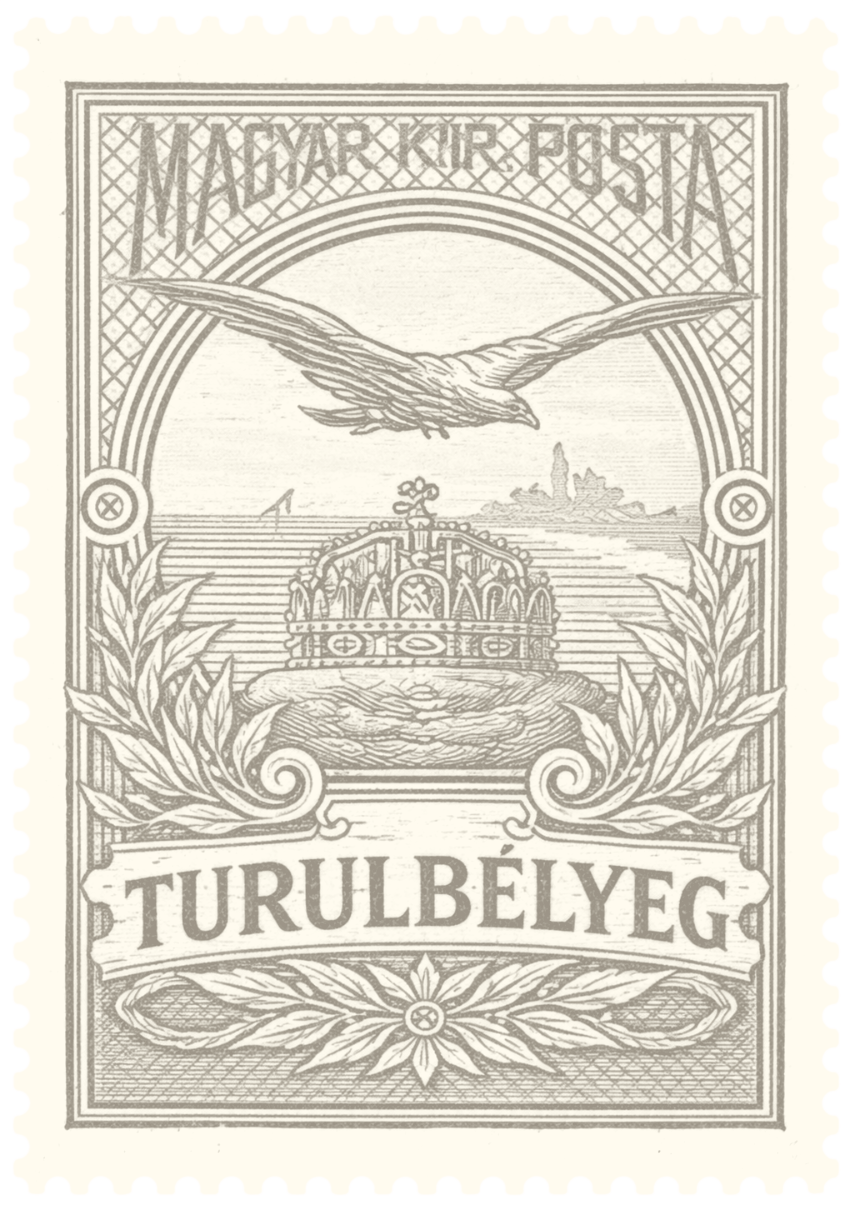
Bronzzöld
#9D9688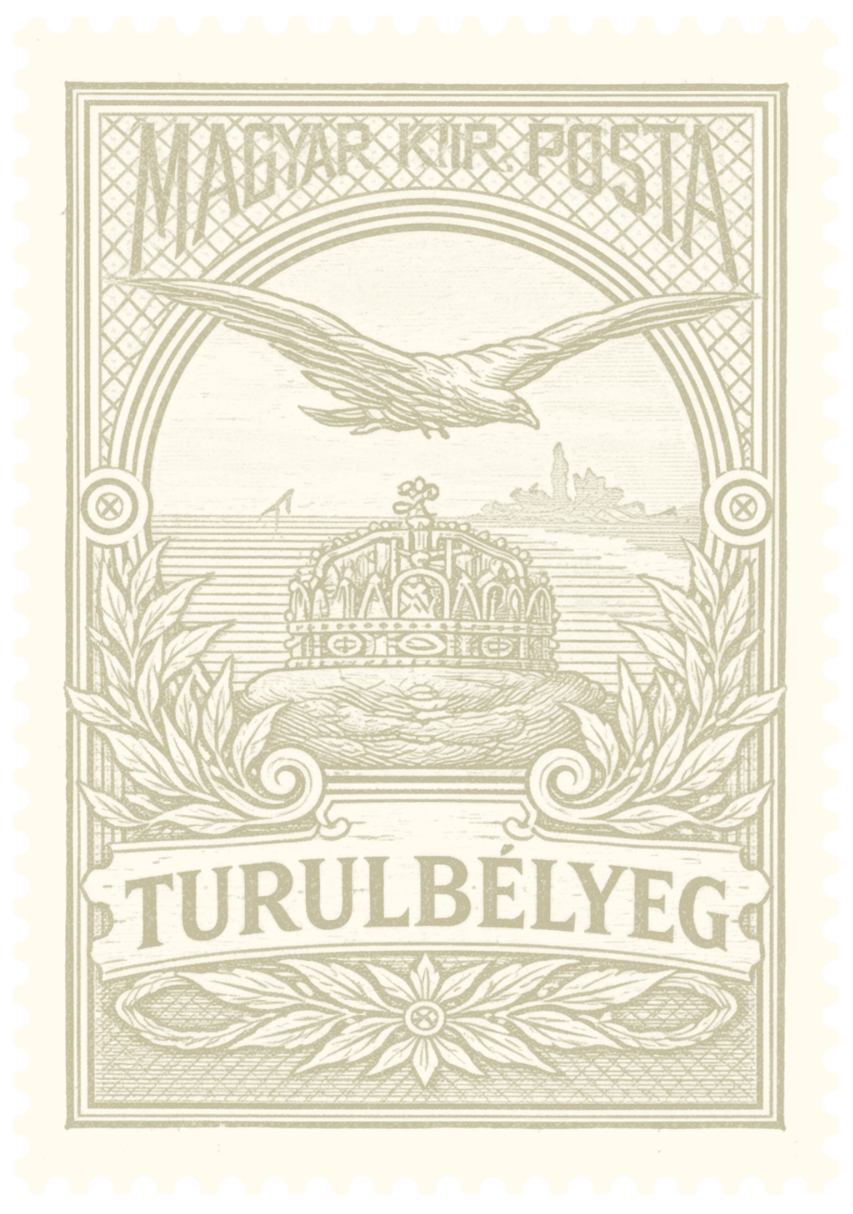
Olívaszín
#C5BF9F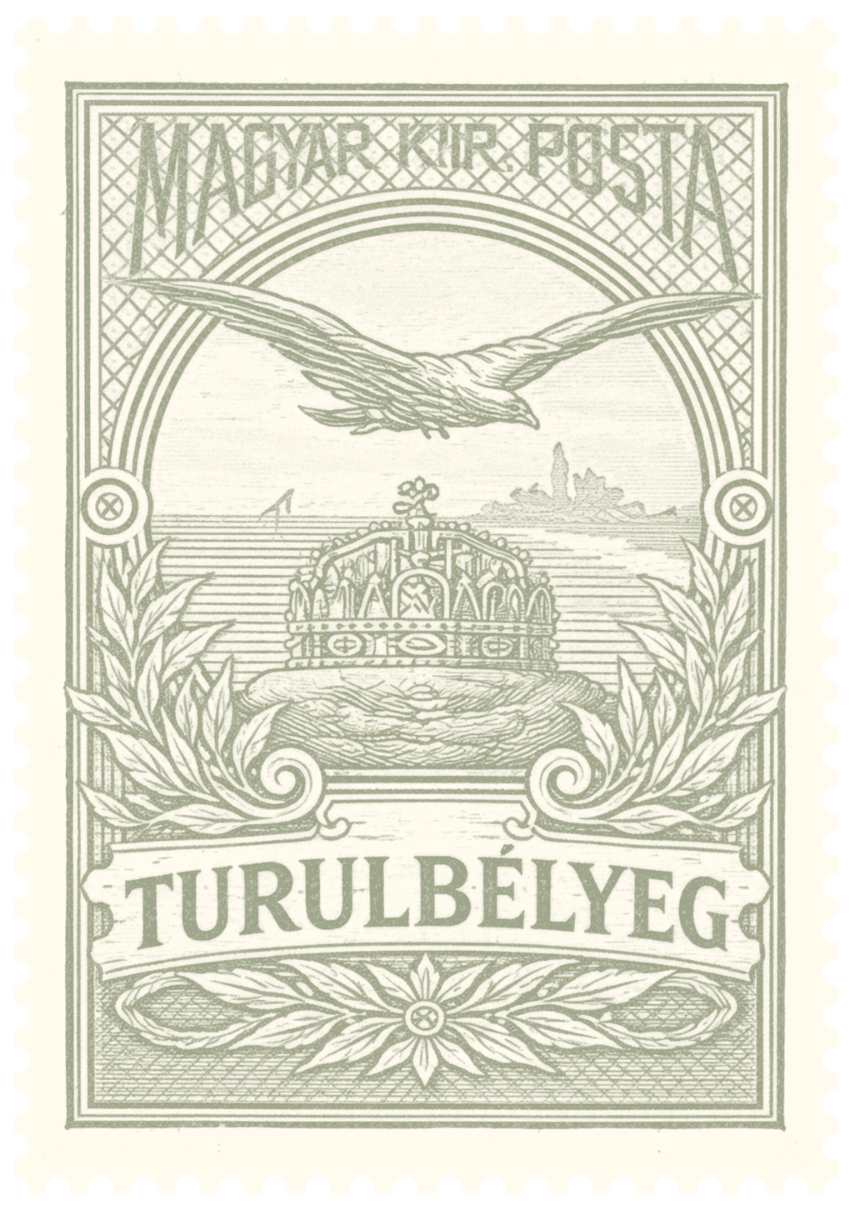
Olívazöld
#A0A68CThe HEX code is a digital reference. Display and printing affect the shade you see.
Same design · consistent image size · English and Hungarian names
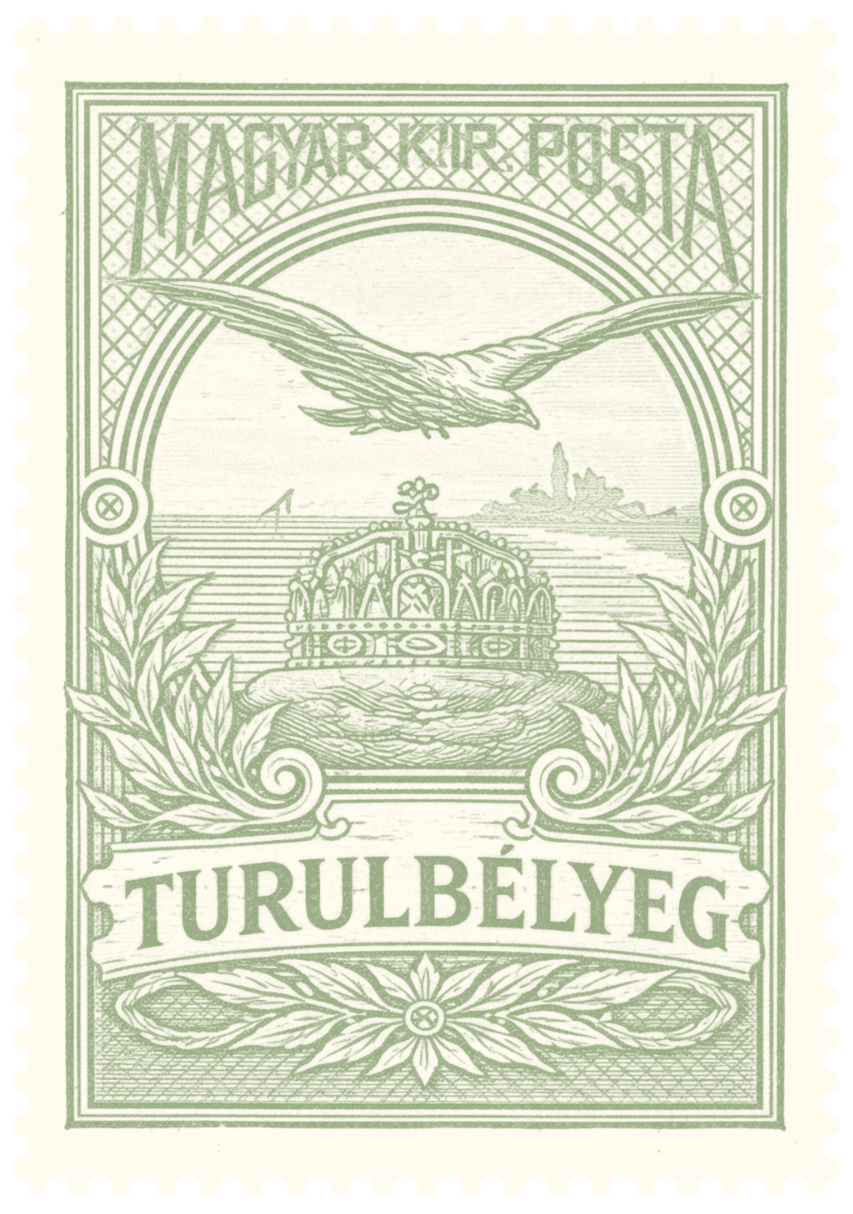
Mély olívazöld
#9BAE86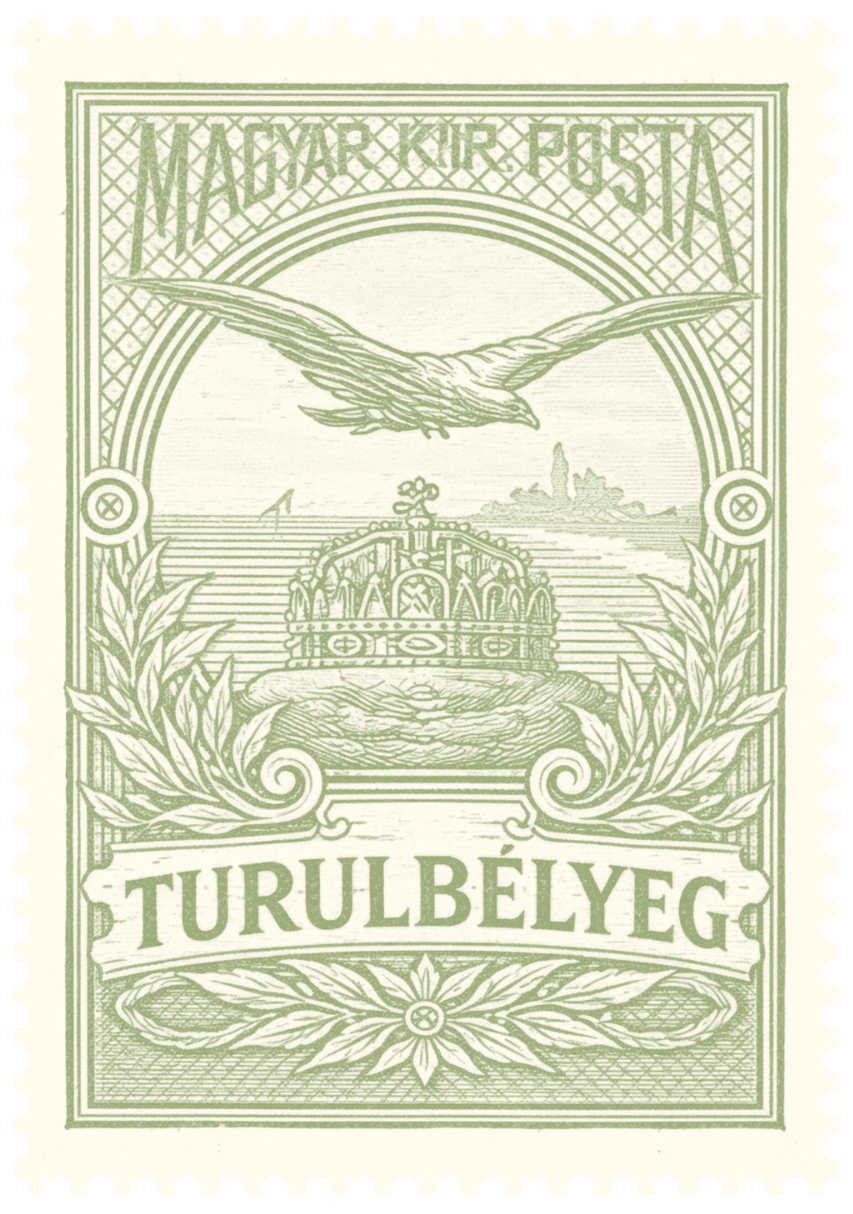
Zsályazöld
#9EAE7B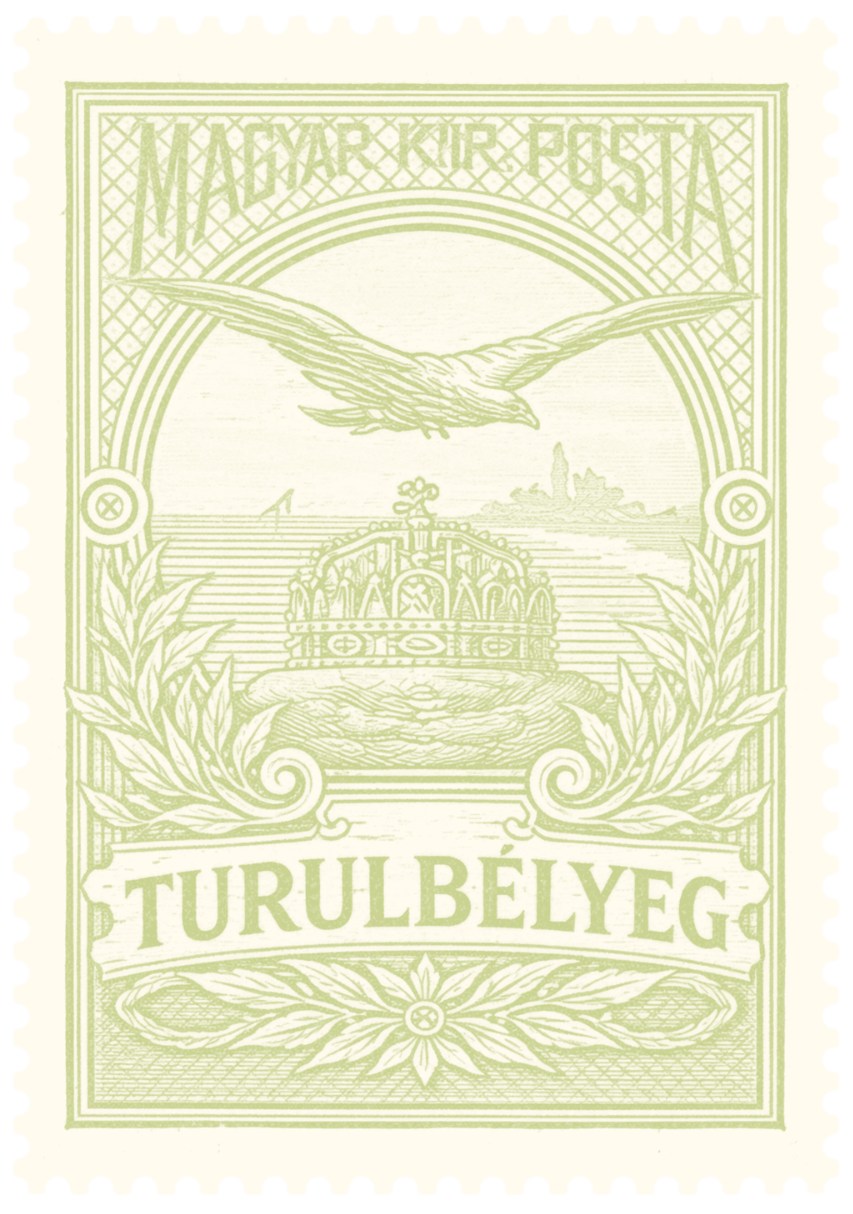
Almazöld
#CBD493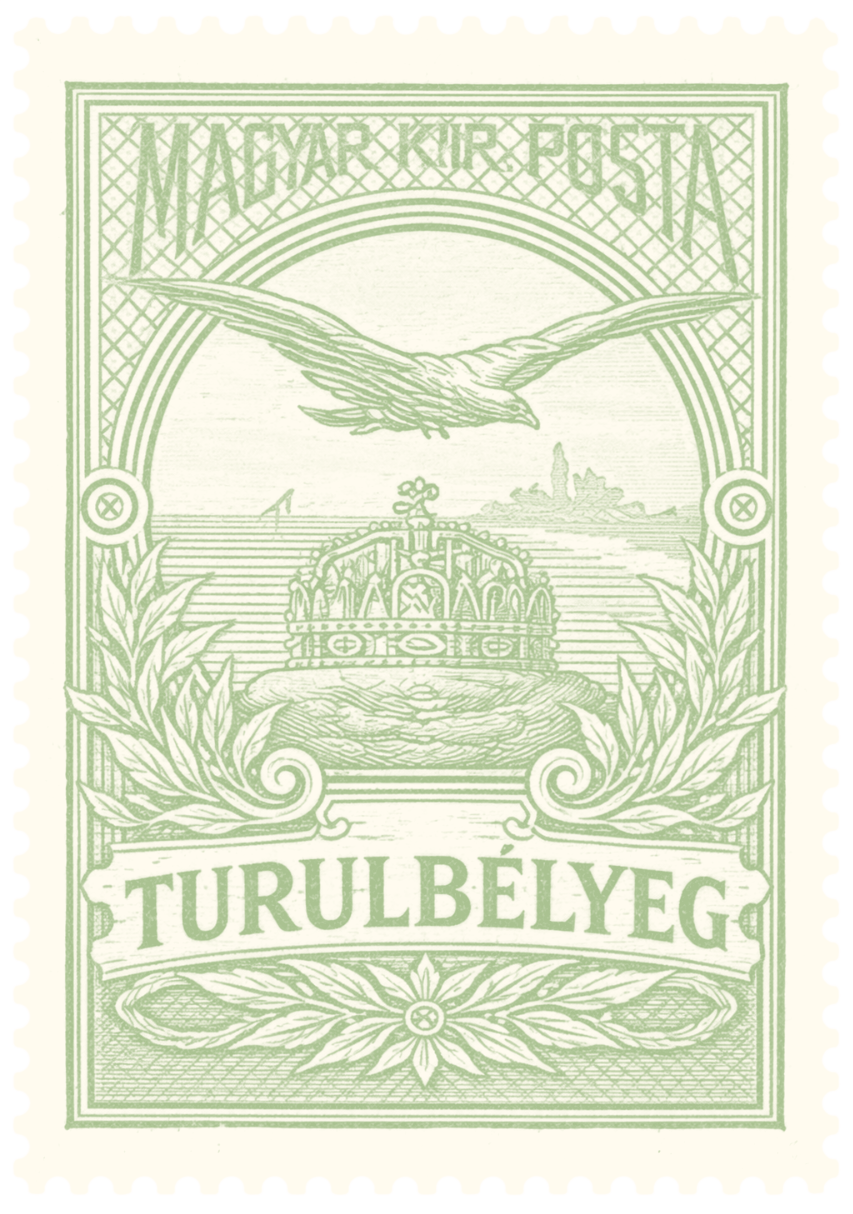
Sárgászöld
#AAC392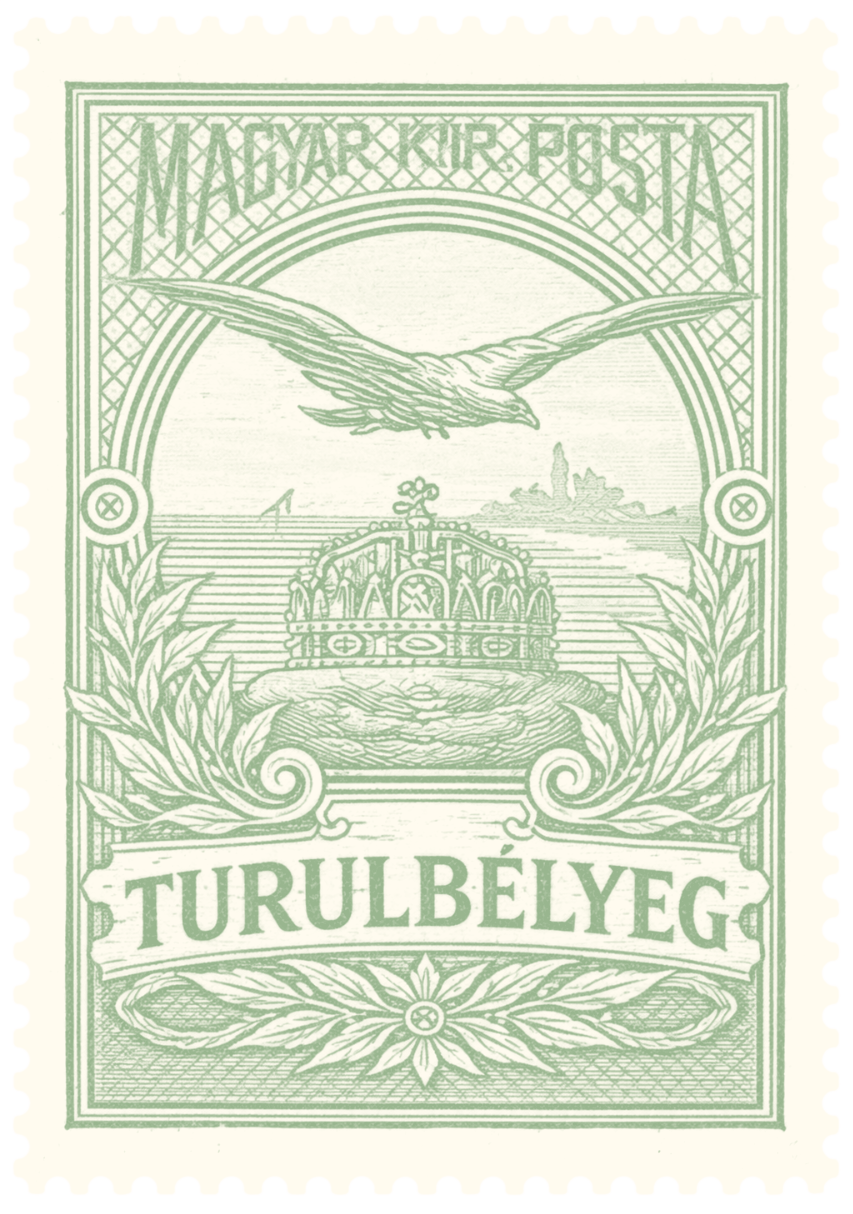
Élénkzöld
#99B68F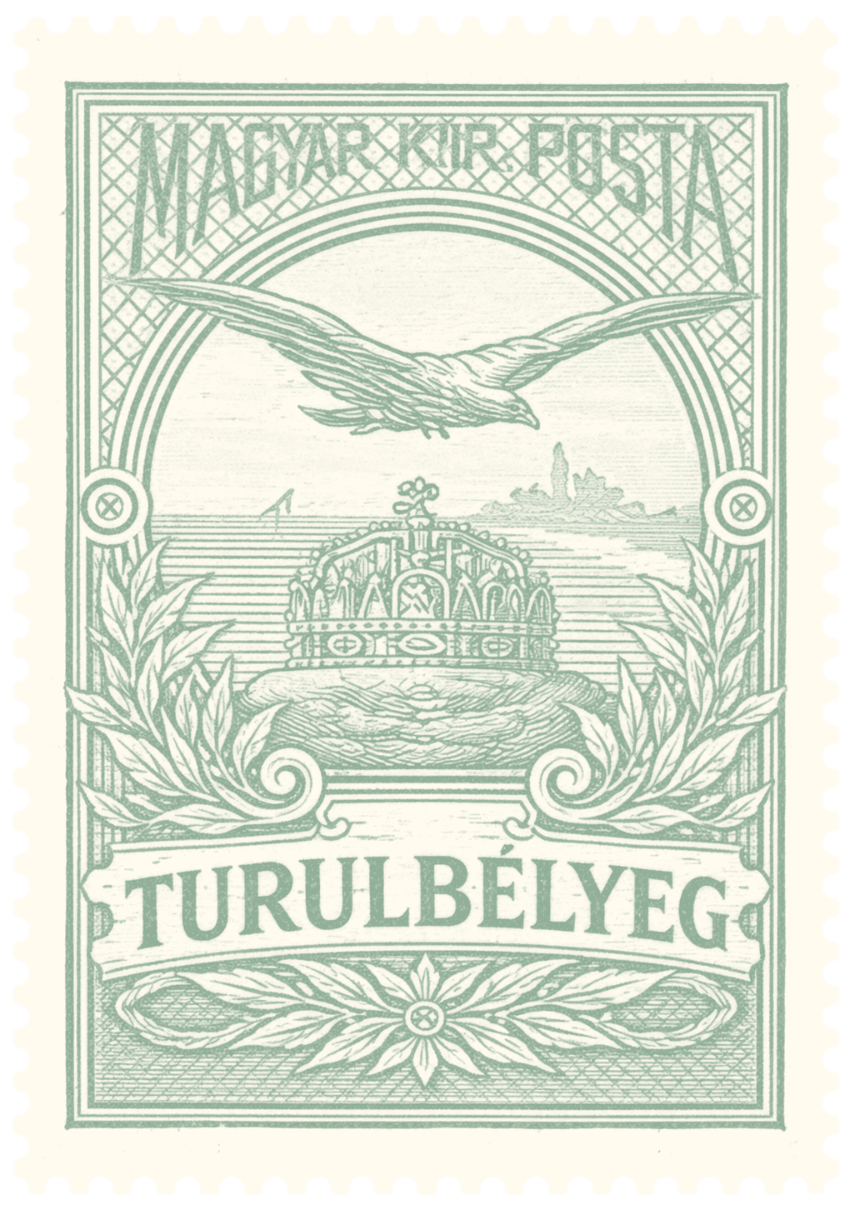
Zöld
#92B099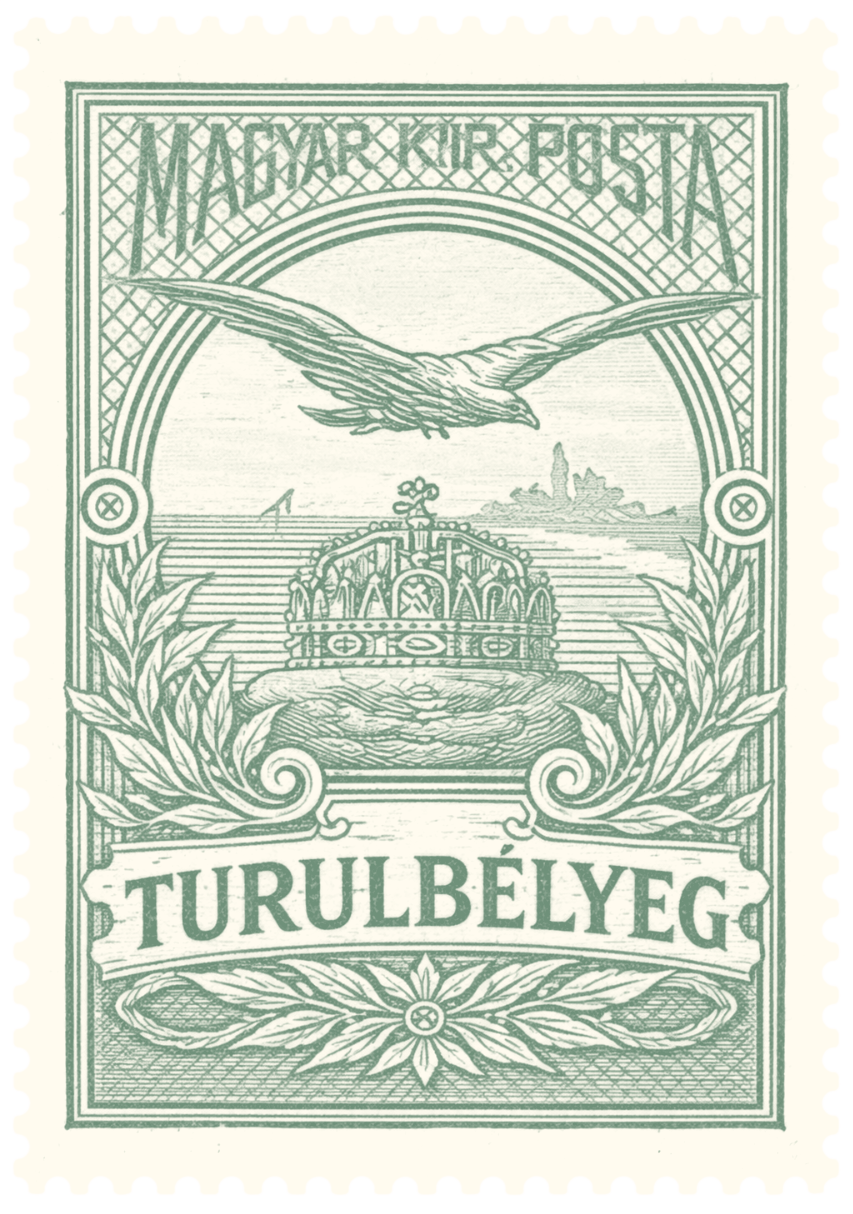
Mirtuszzöld
#70917B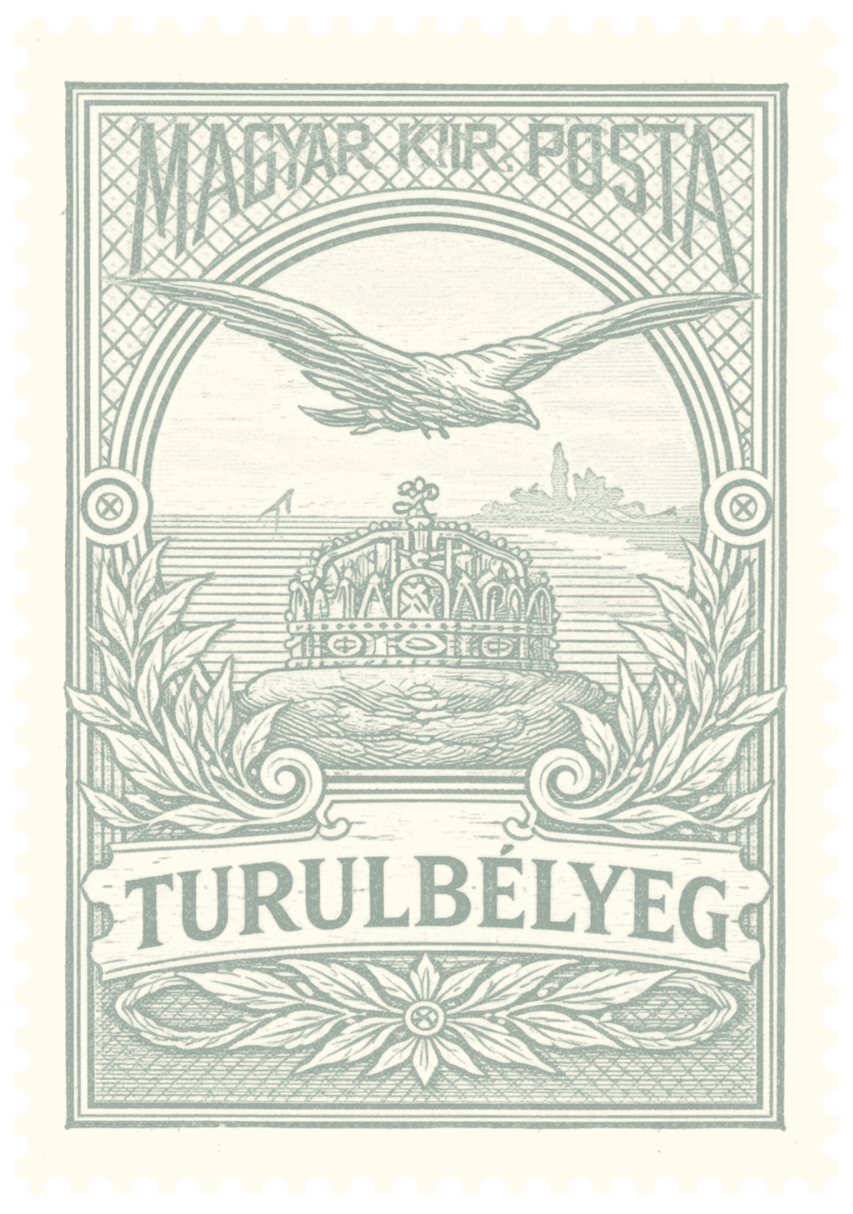
Szürkészöld
#9EACA1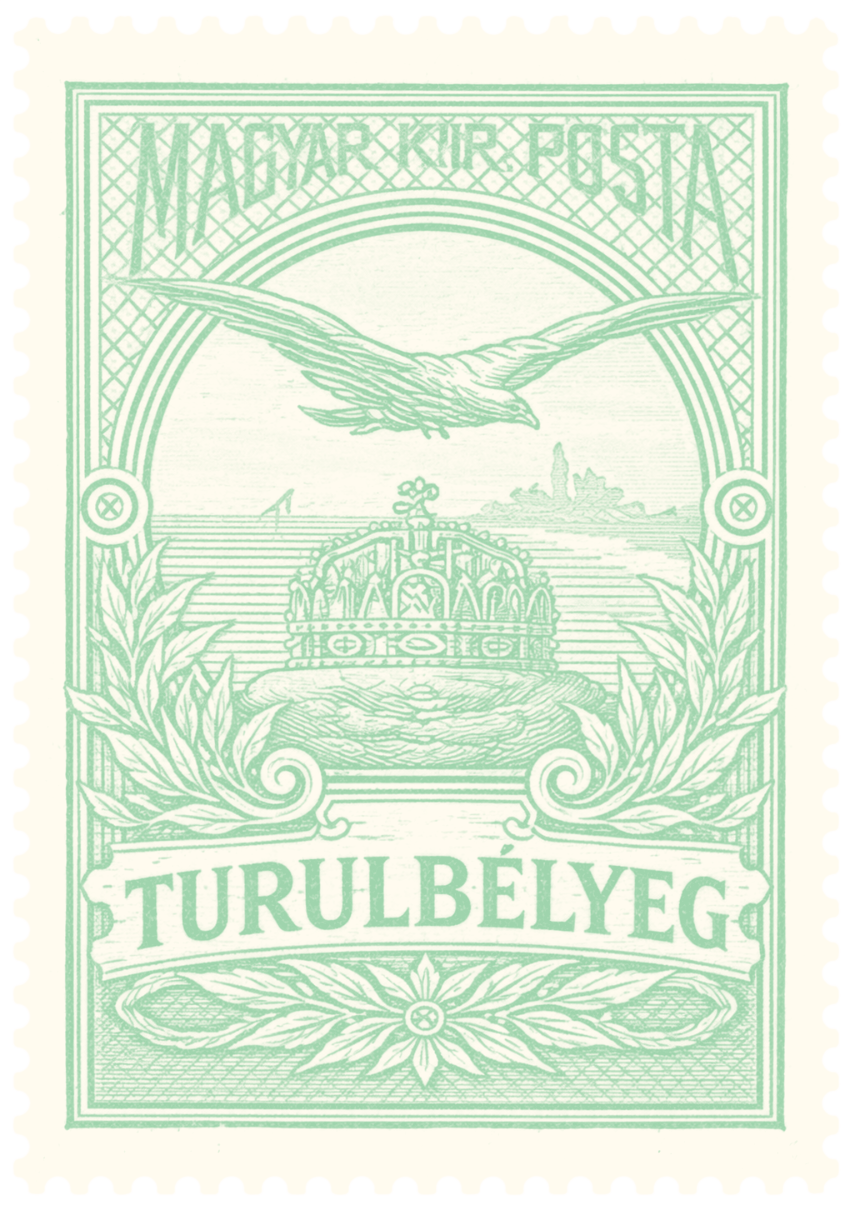
Smaragdzöld
#9FD5AD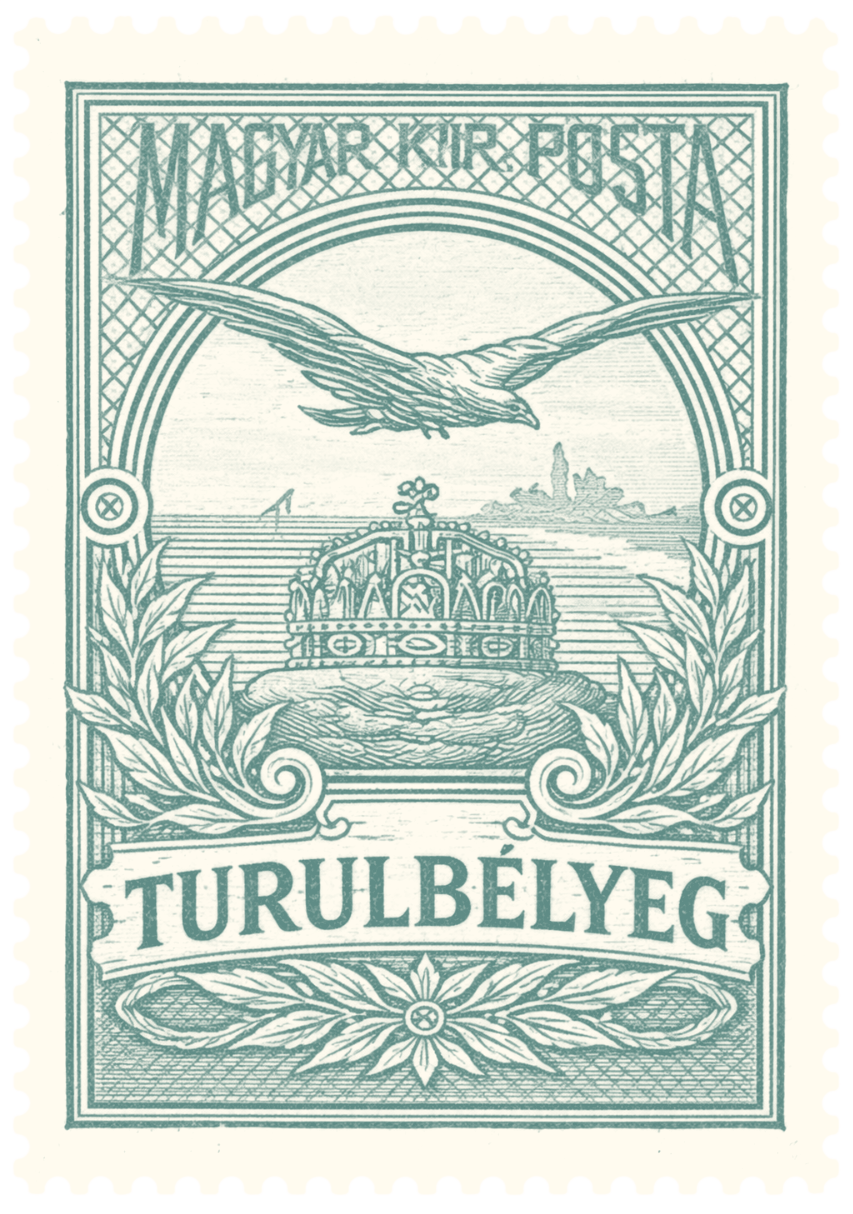
Mély kékeszöld
#5F8C86The HEX code is a digital reference. Display and printing affect the shade you see.
Same design · consistent image size · English and Hungarian names
Kékeszöld
#88B5B2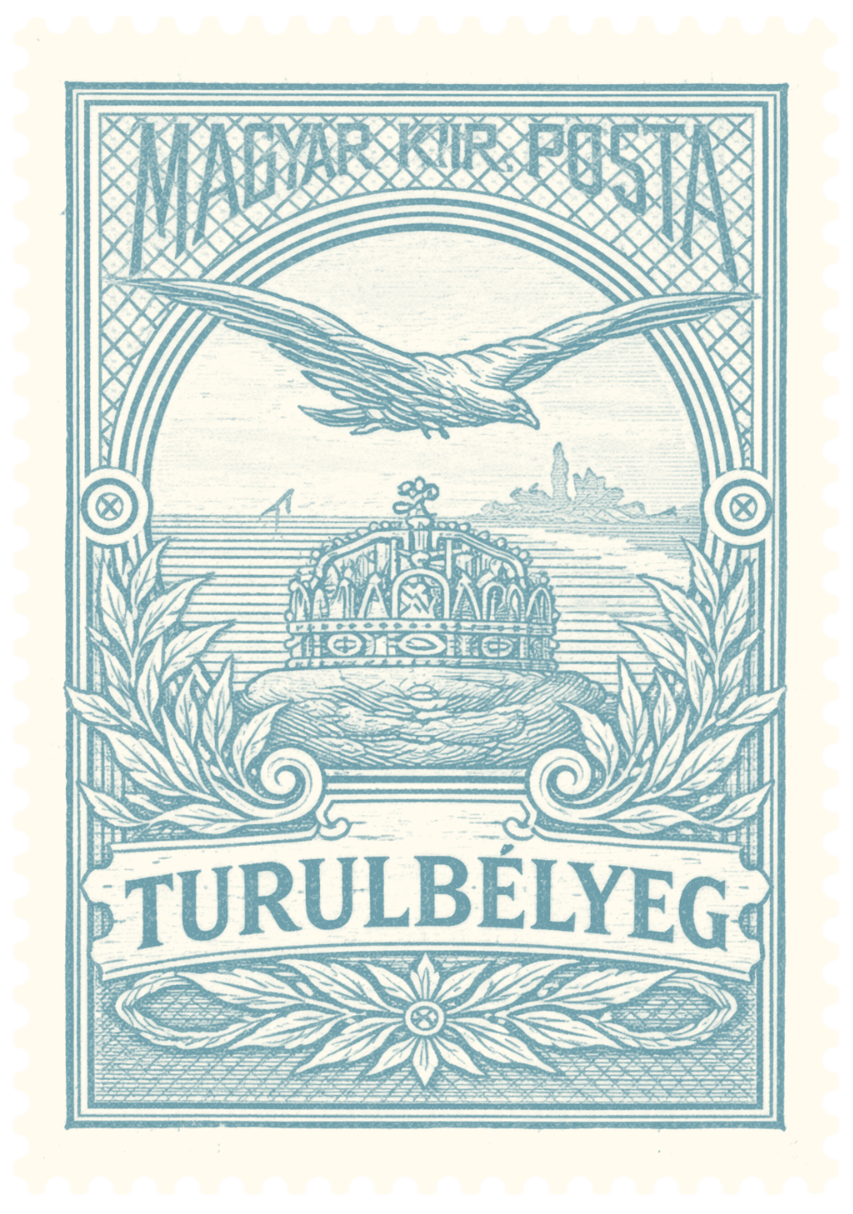
Zöldeskék
#6FA0AC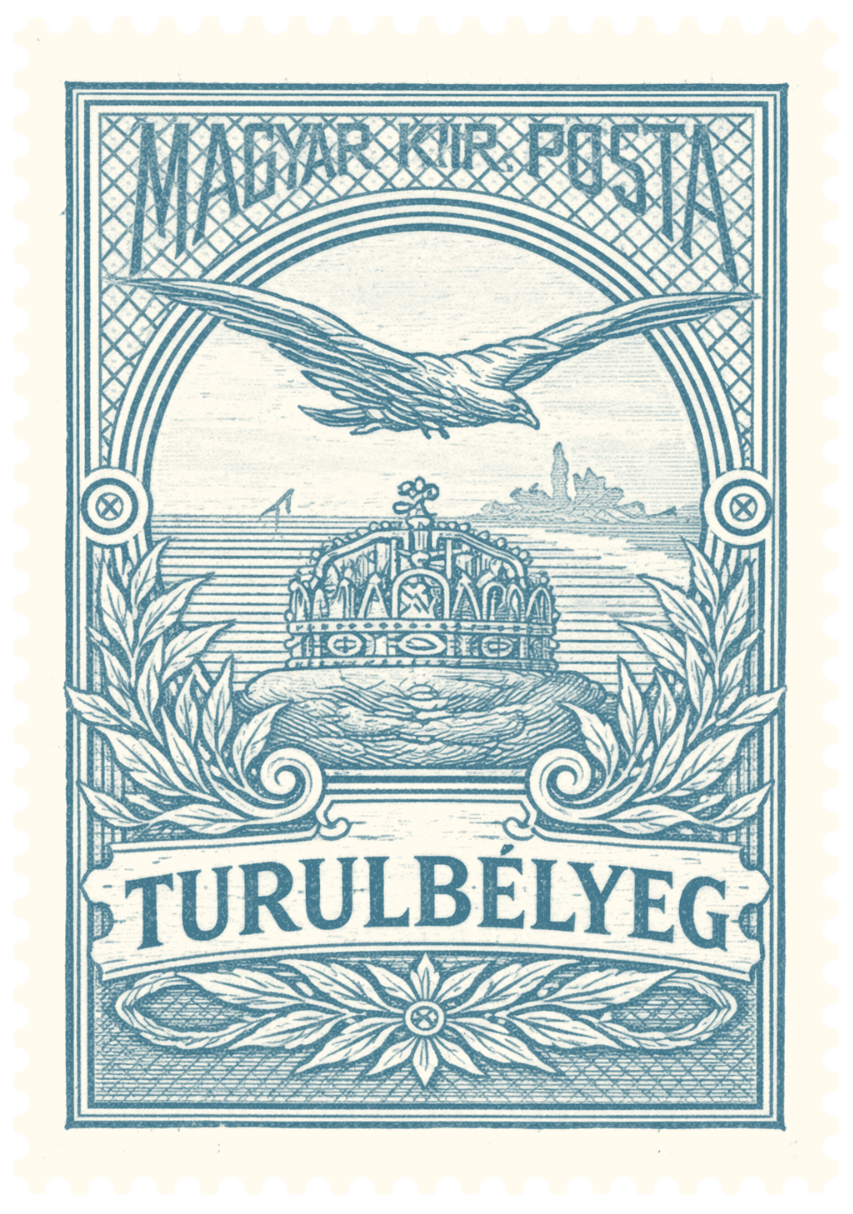
Poroszkék
#467B8E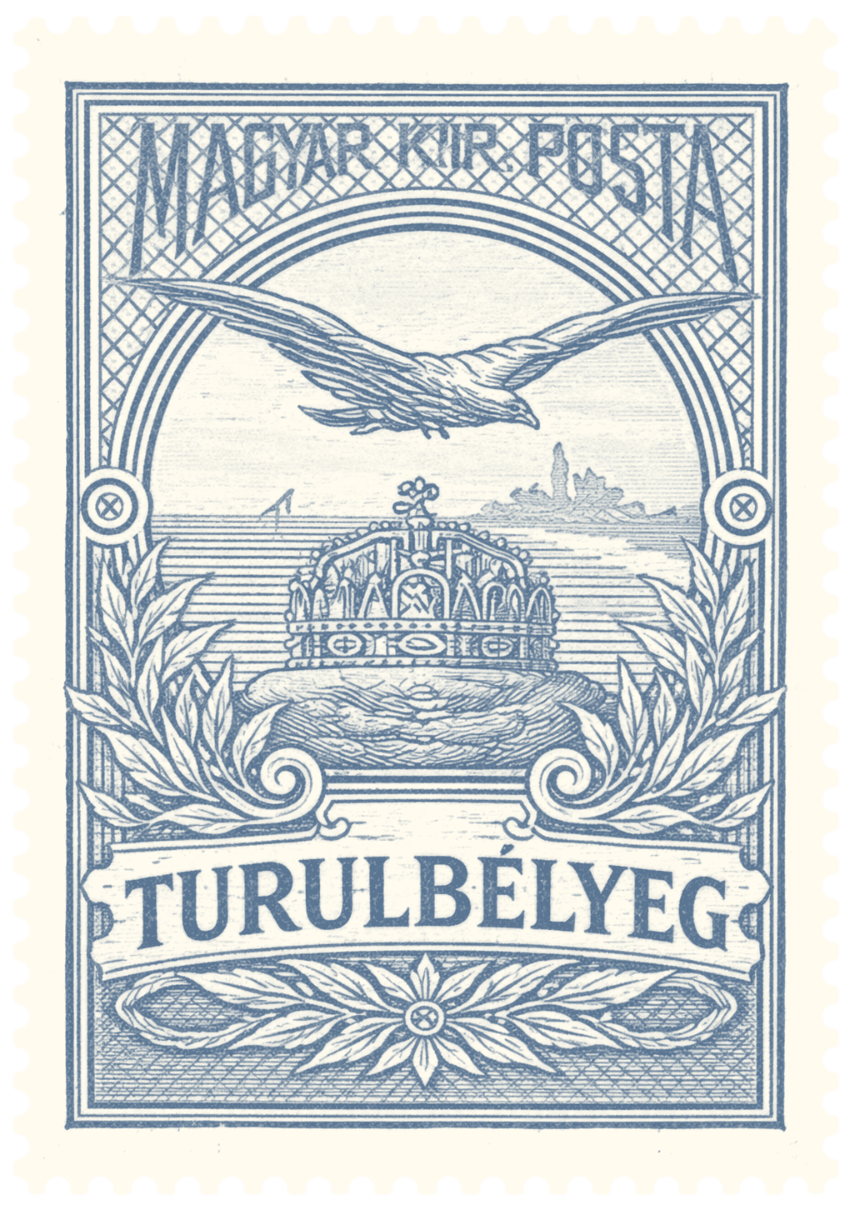
Mélykék
#5B7693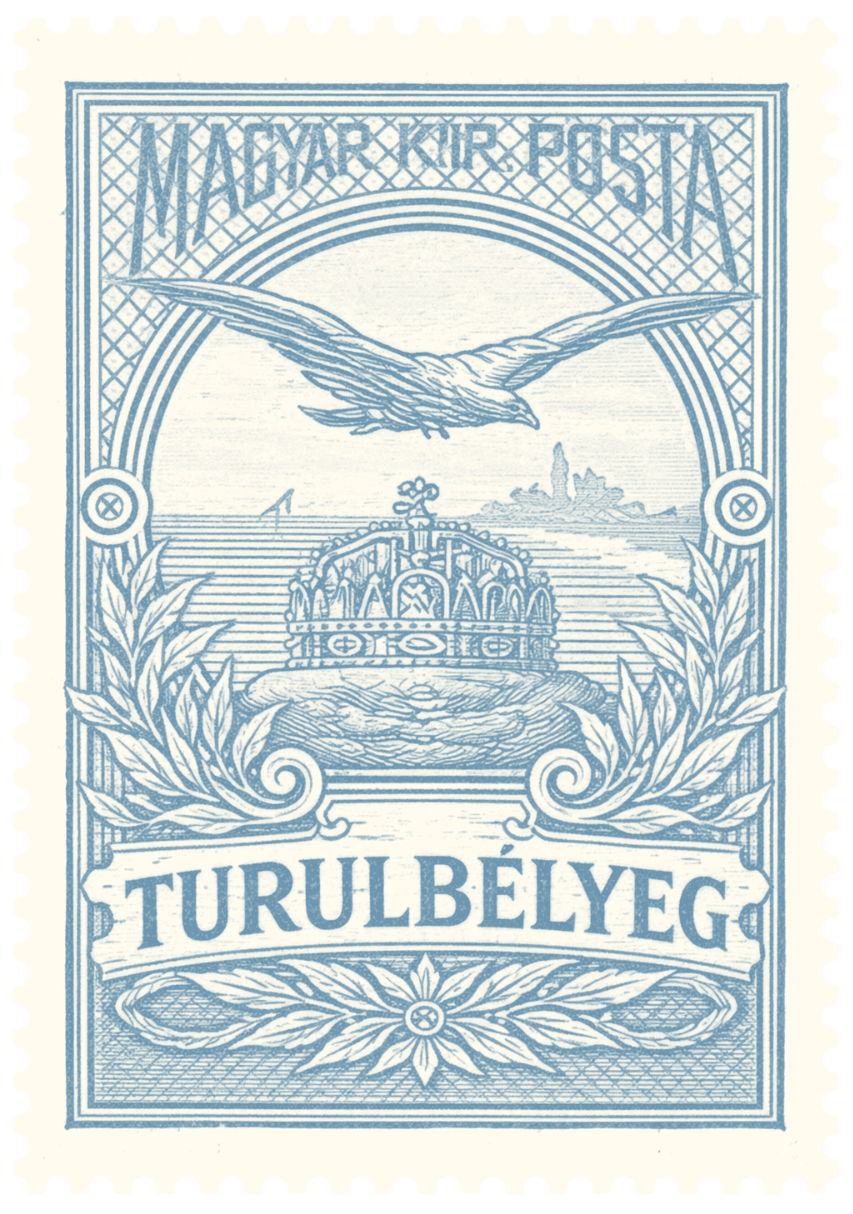
Kék
#6D98B1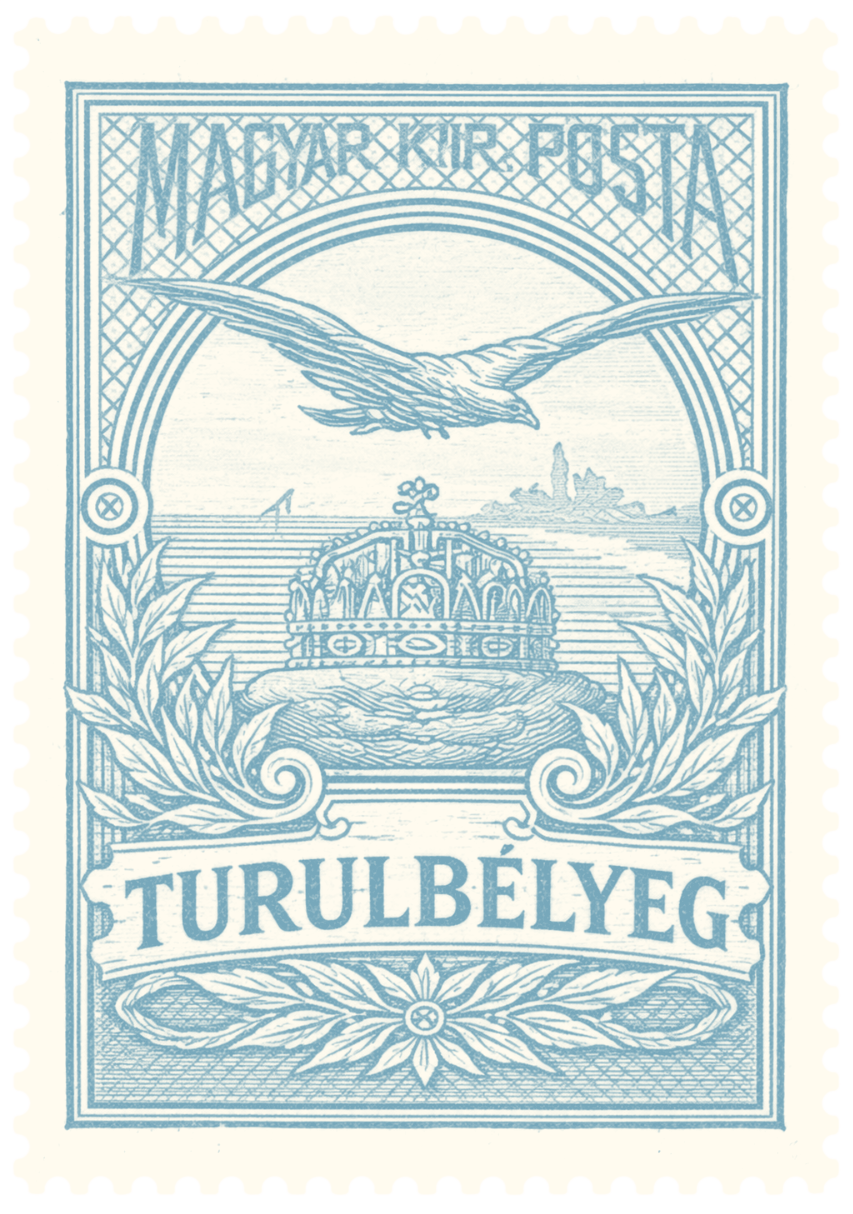
Világoskék
#77A8BB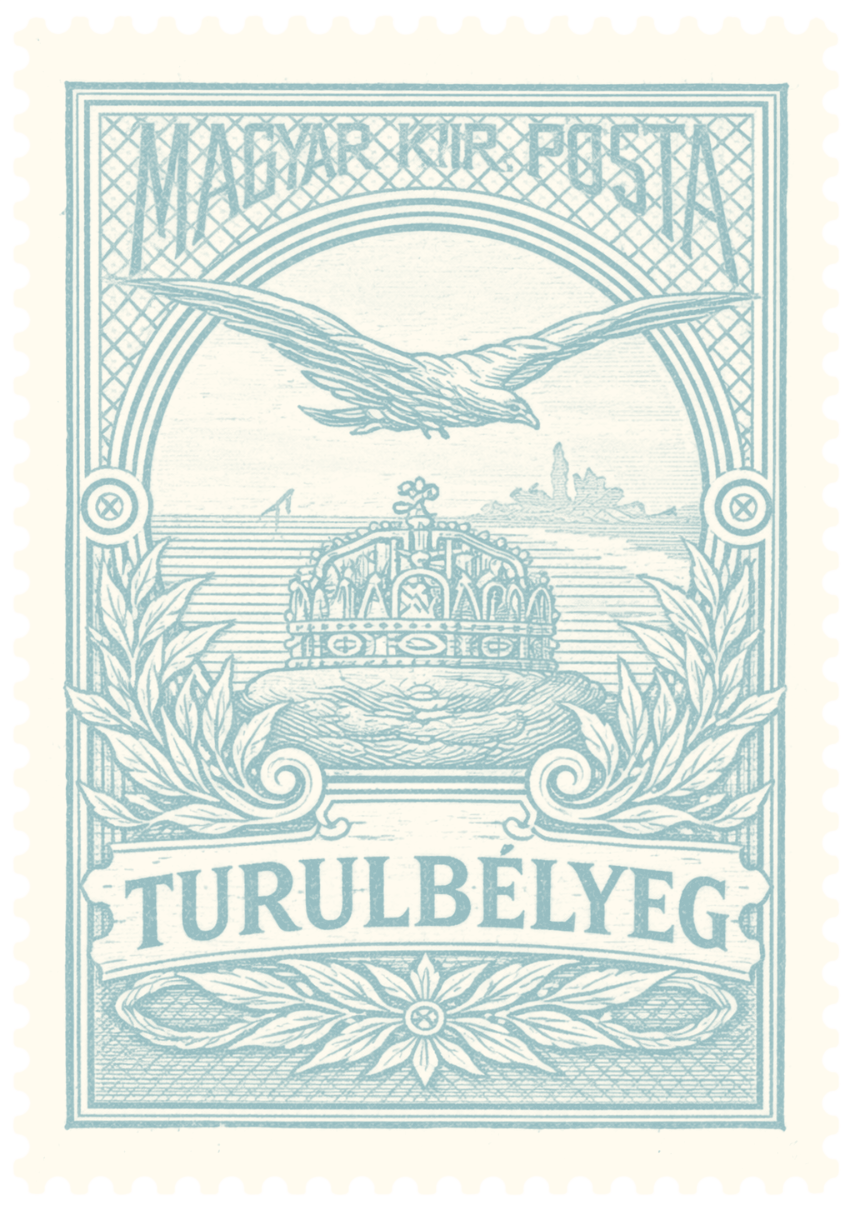
Türkiz
#97BEC2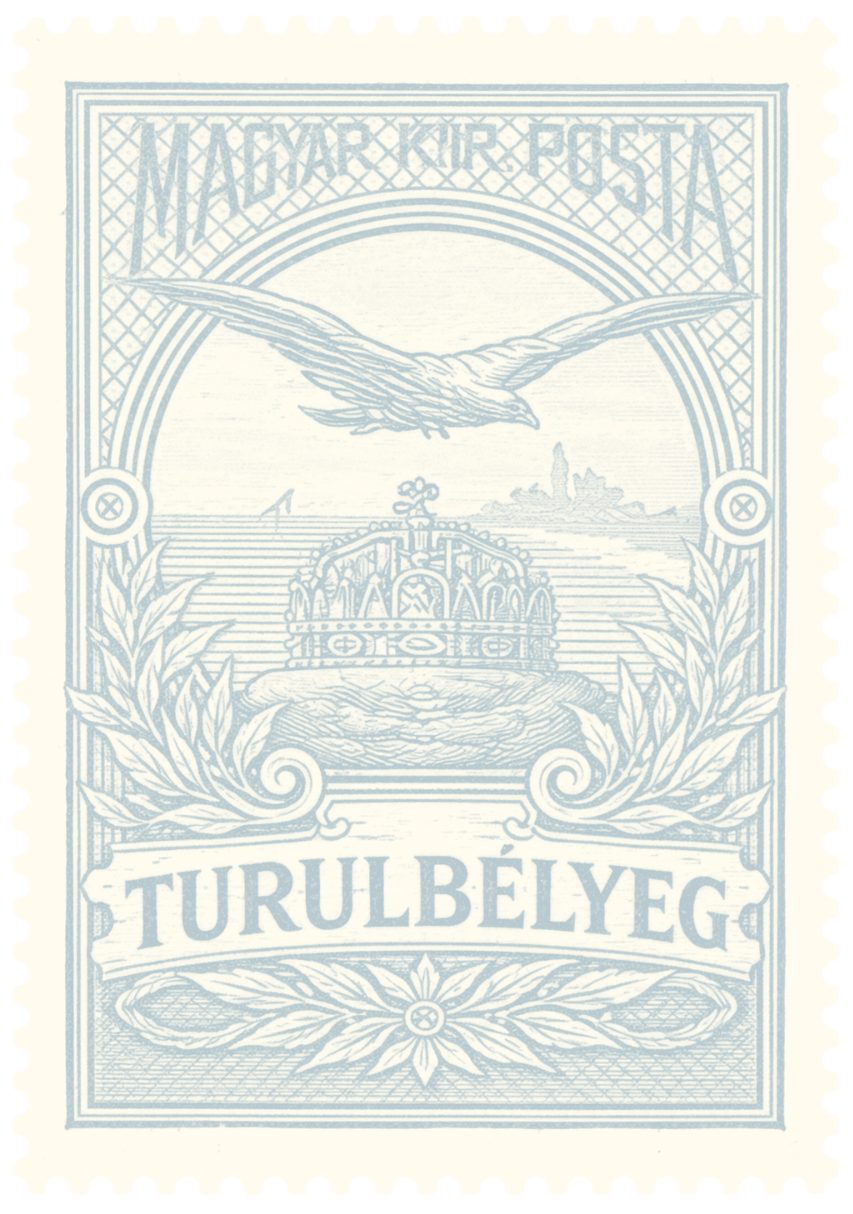
Azúrkék
#B8CBD0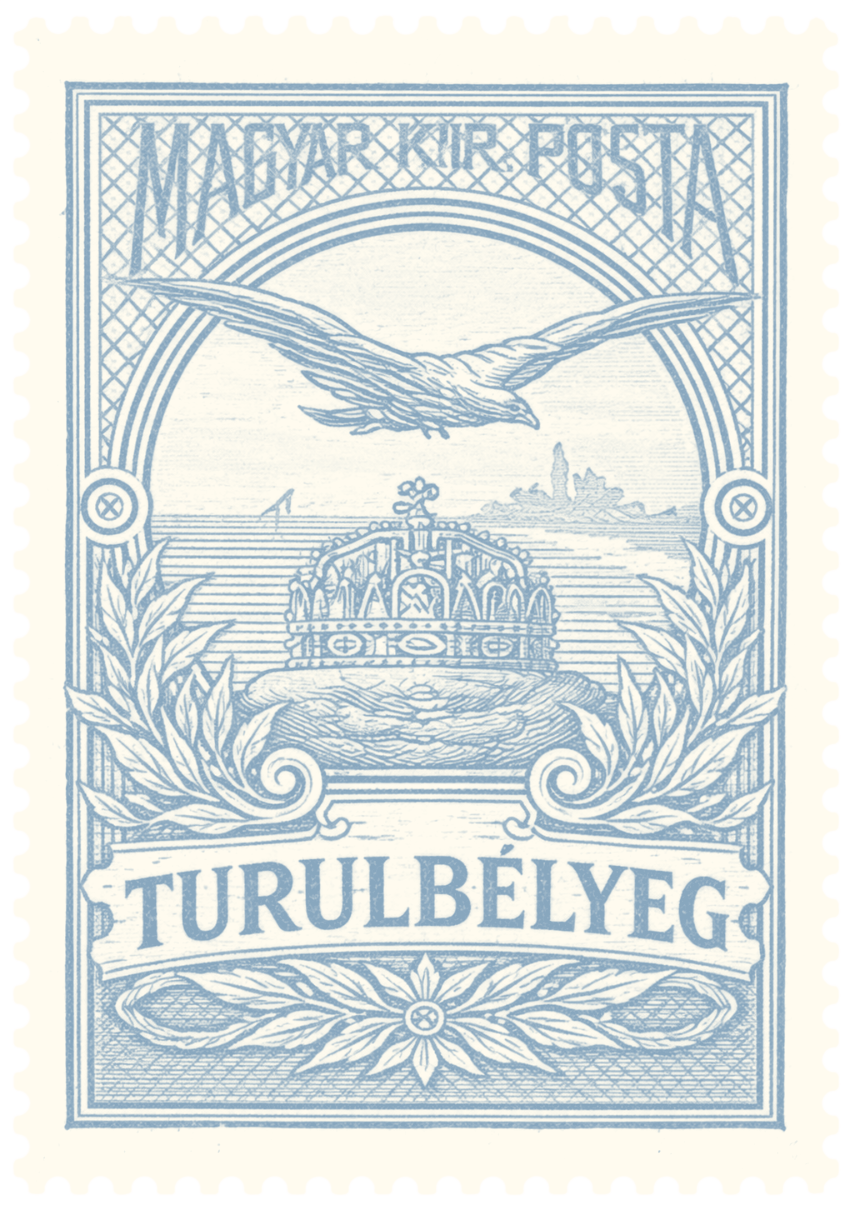
Tompa kék
#88A7BF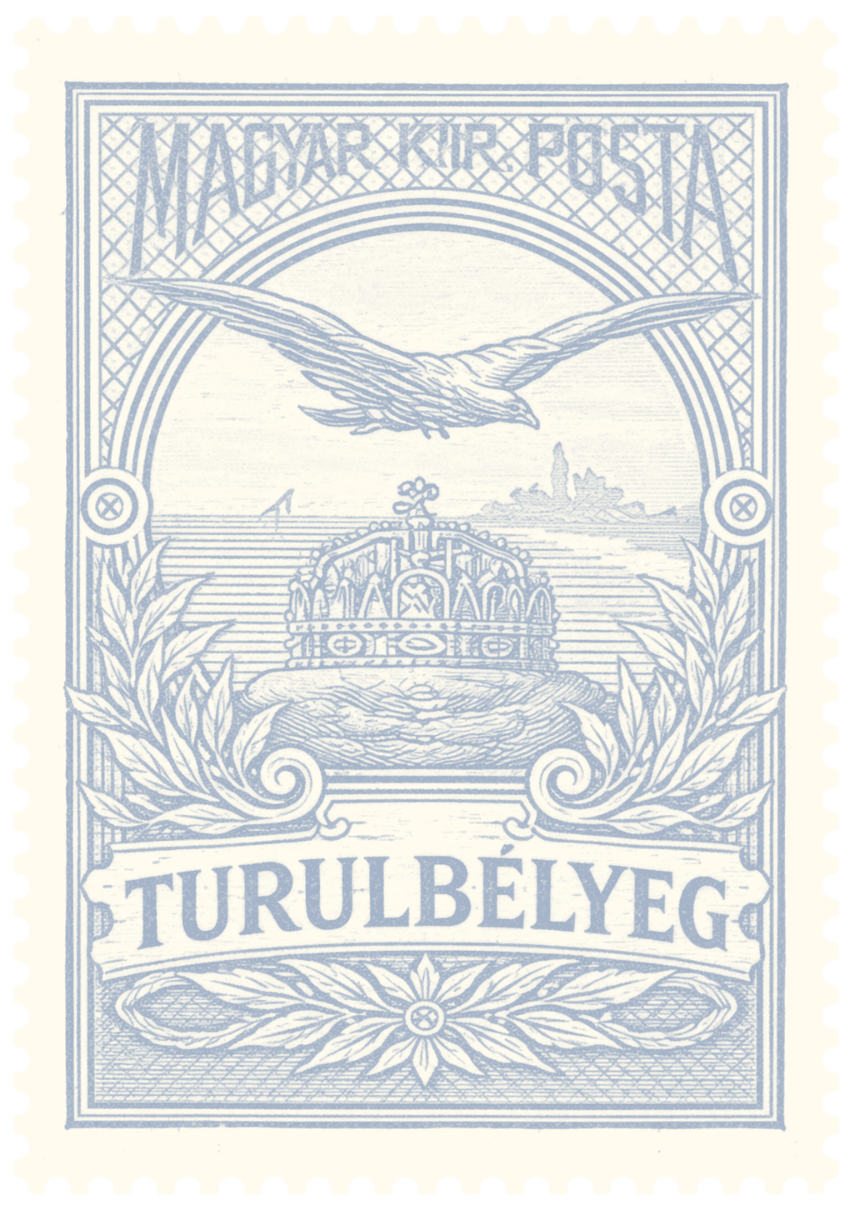
Élénk ultramarin
#A6B4C9The HEX code is a digital reference. Display and printing affect the shade you see.
Same design · consistent image size · English and Hungarian names
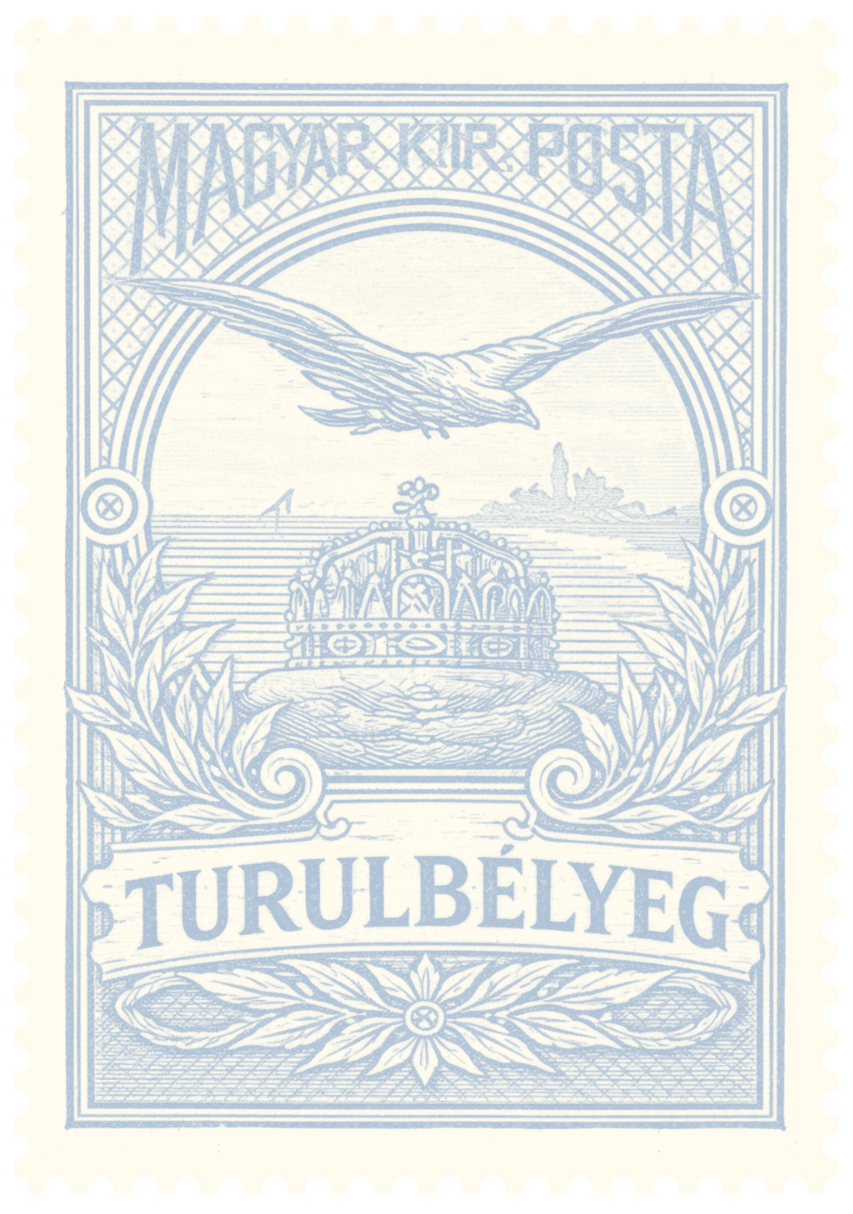
Halvány ultramarin
#B1C4D7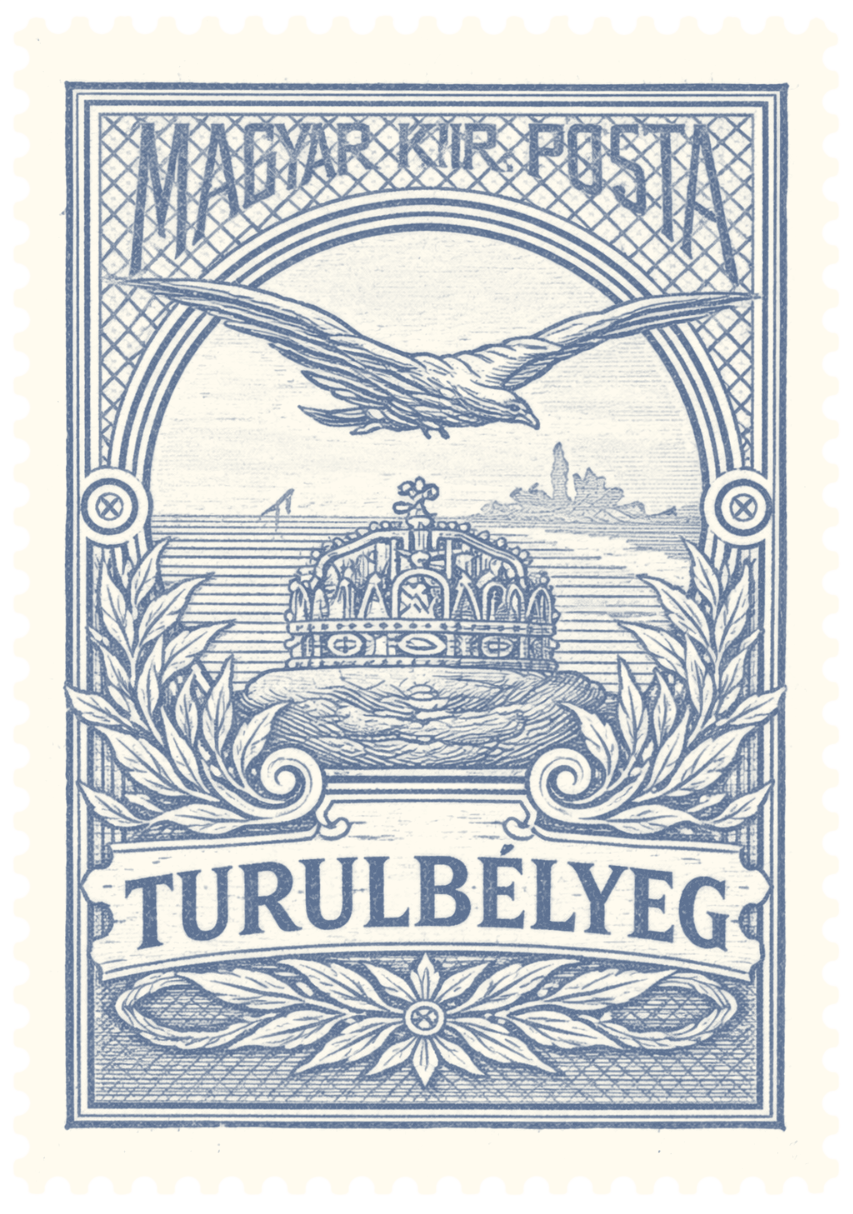
Mély ultramarin
#5F7393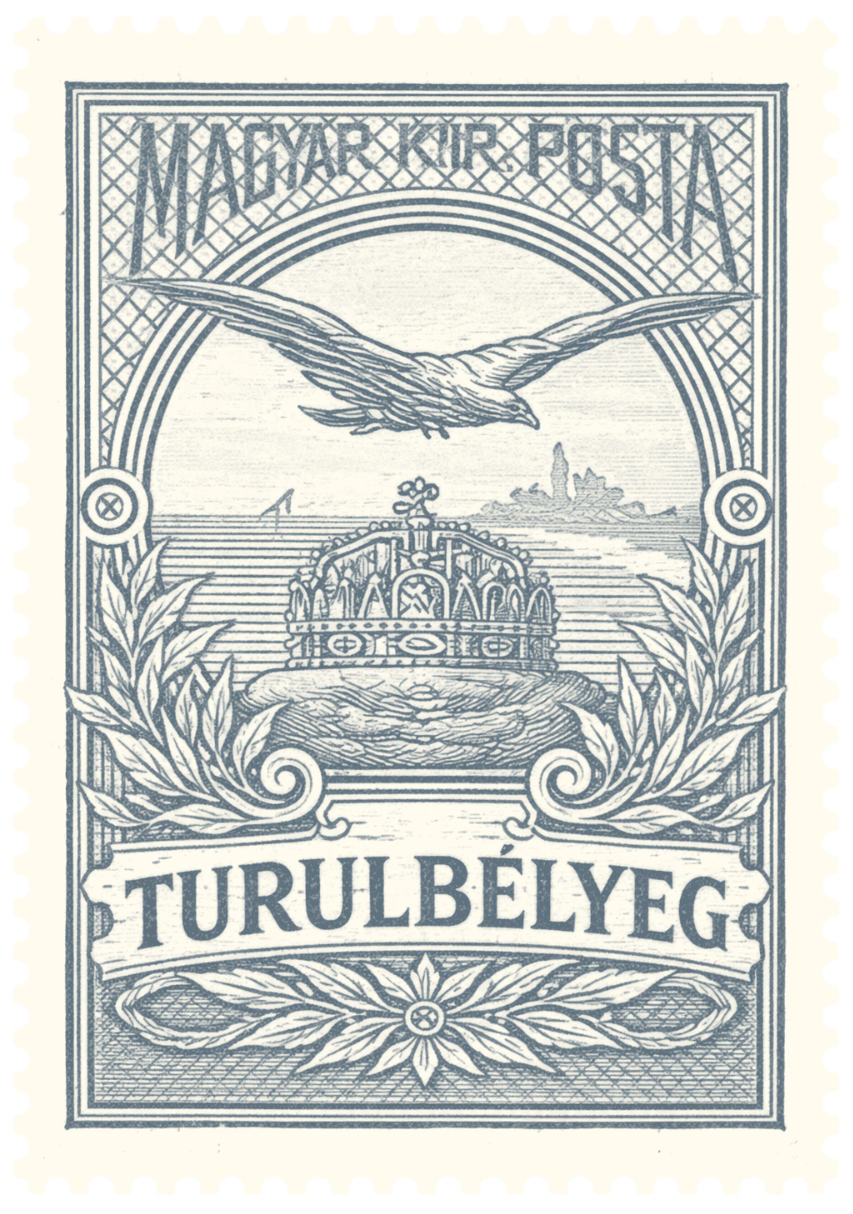
Palakék
#60727F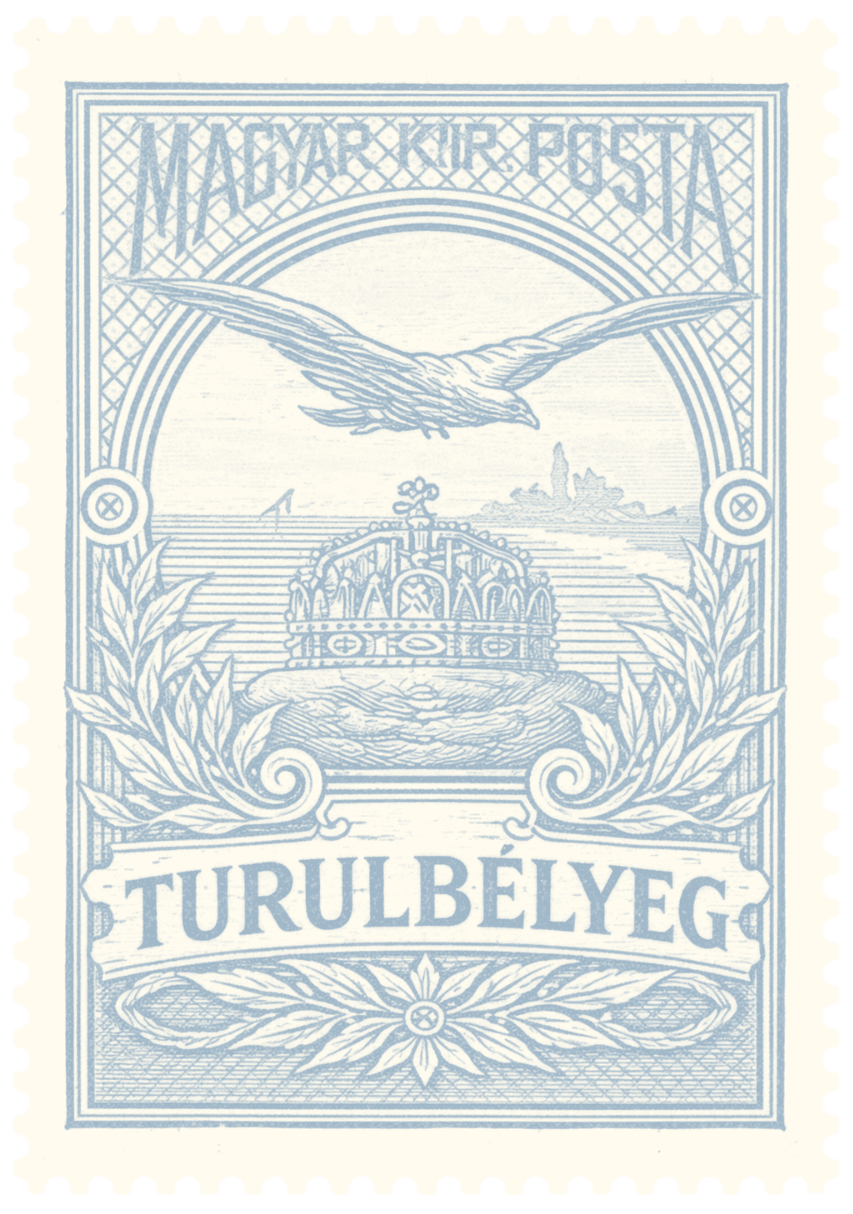
Kobaltkék
#A1B8CA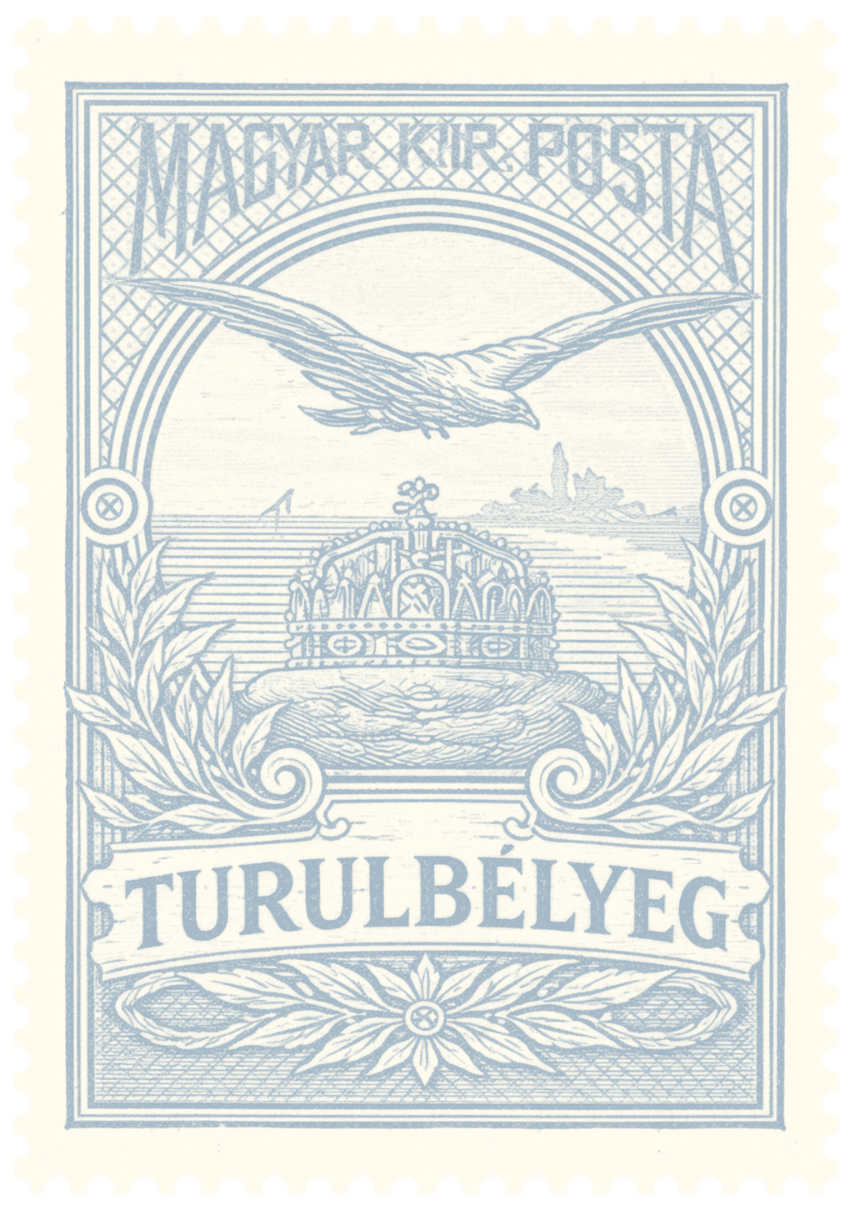
Szürkéskék
#A5B9C8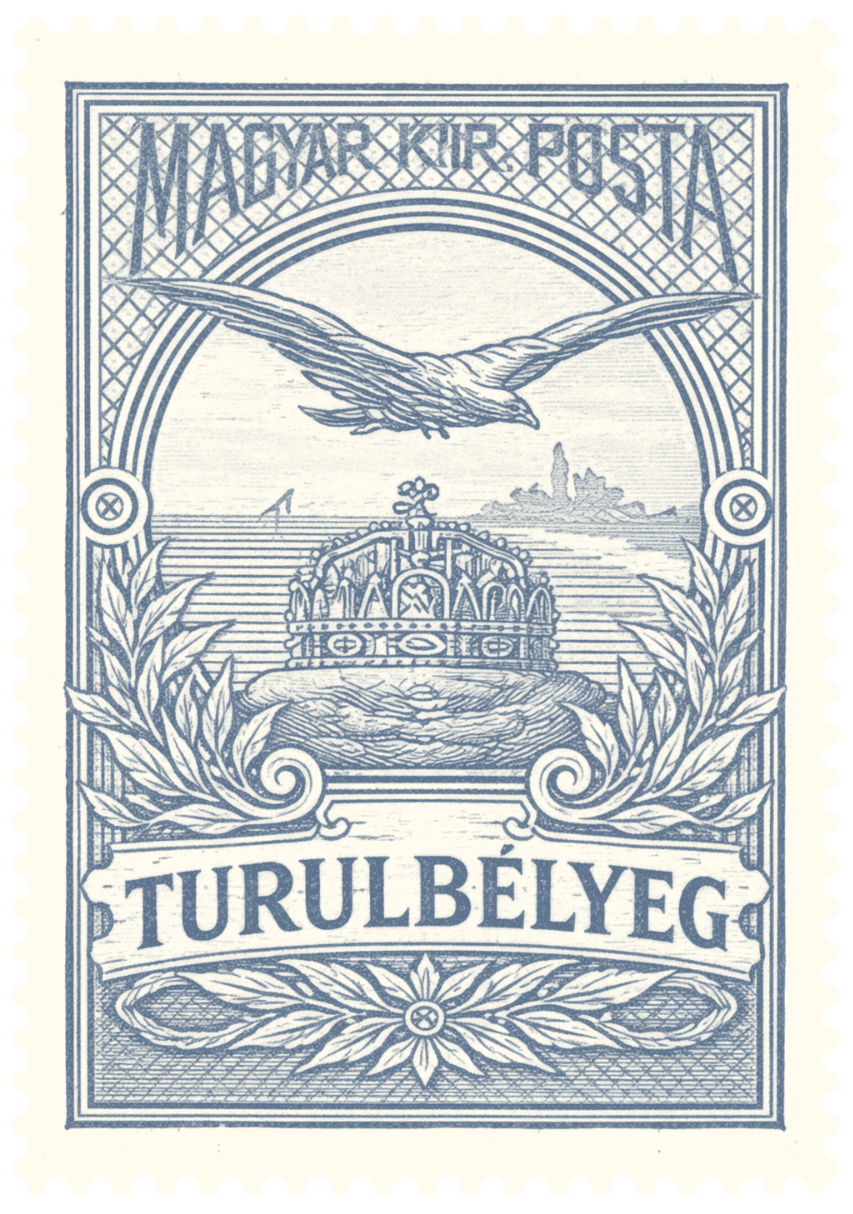
Indigókék
#60768F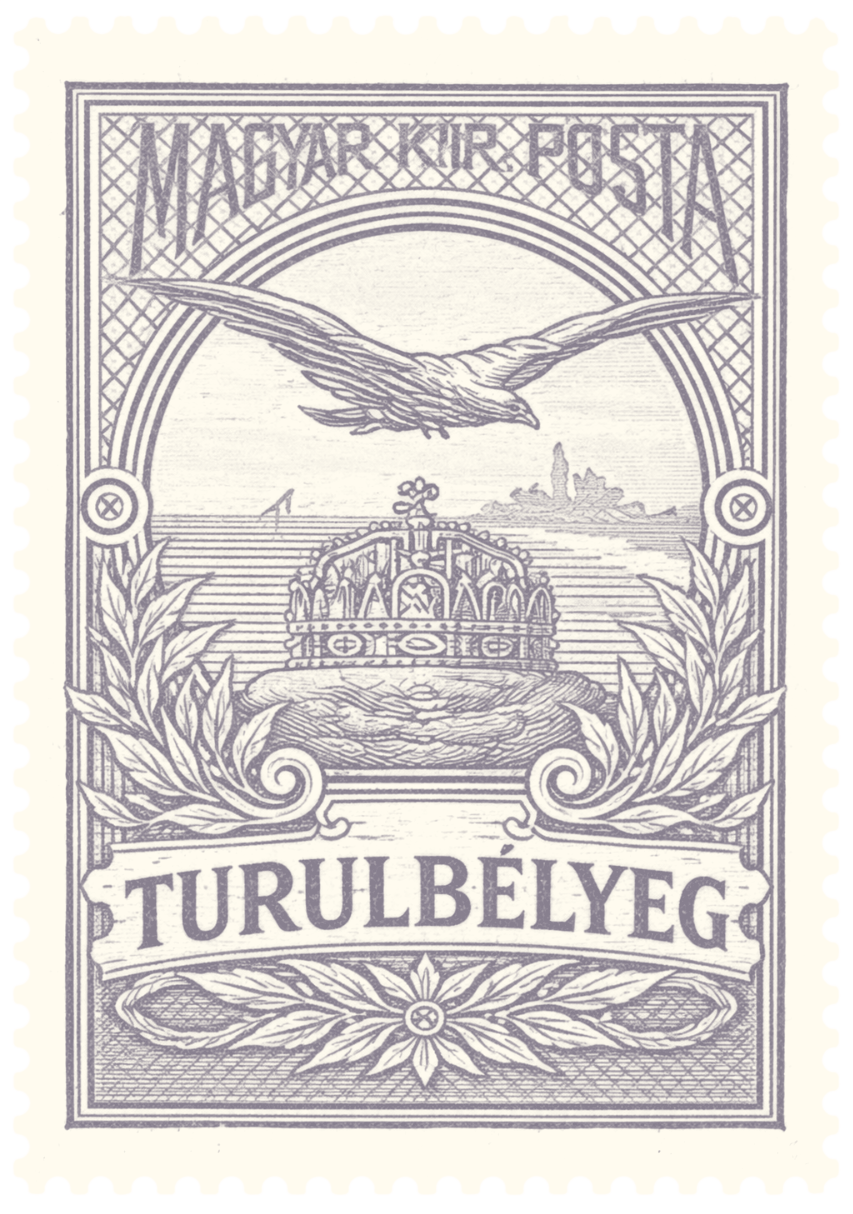
Mély ibolya
#888090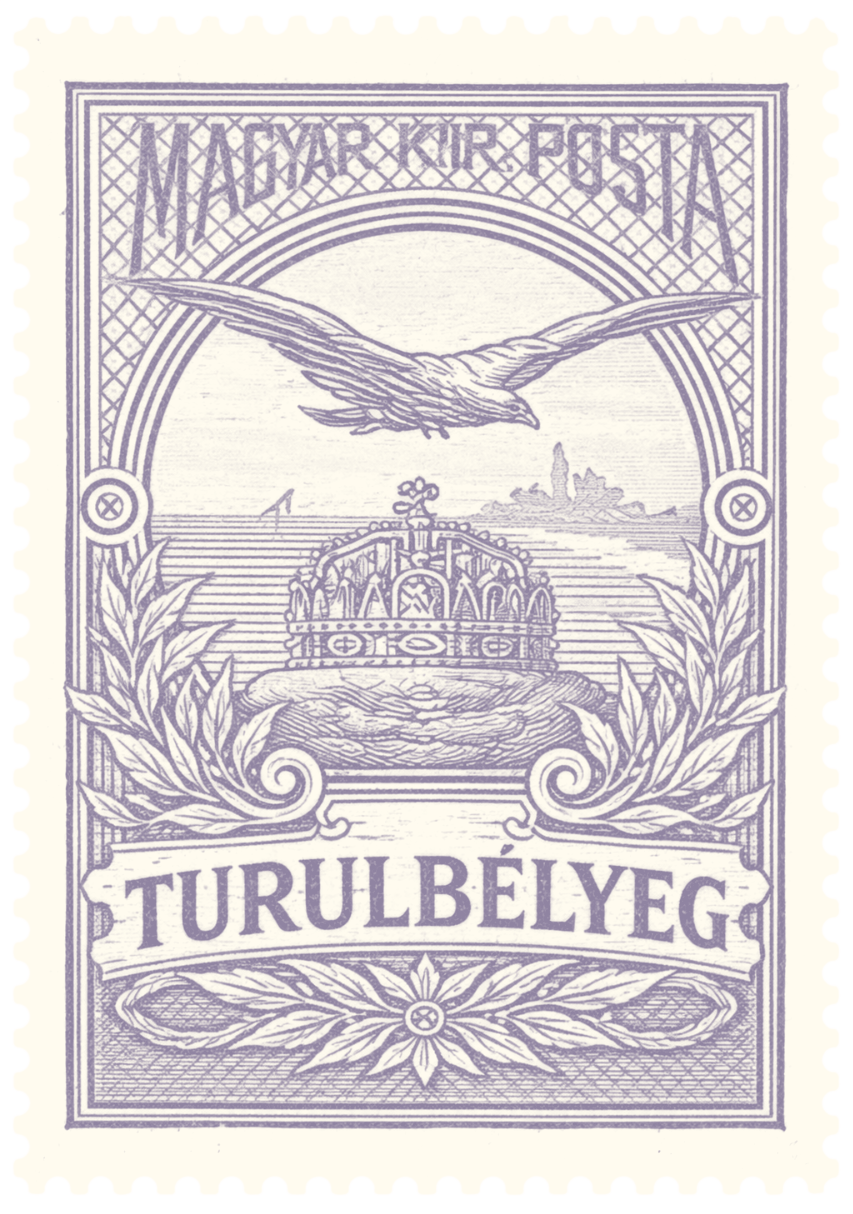
Ibolya
#9084A2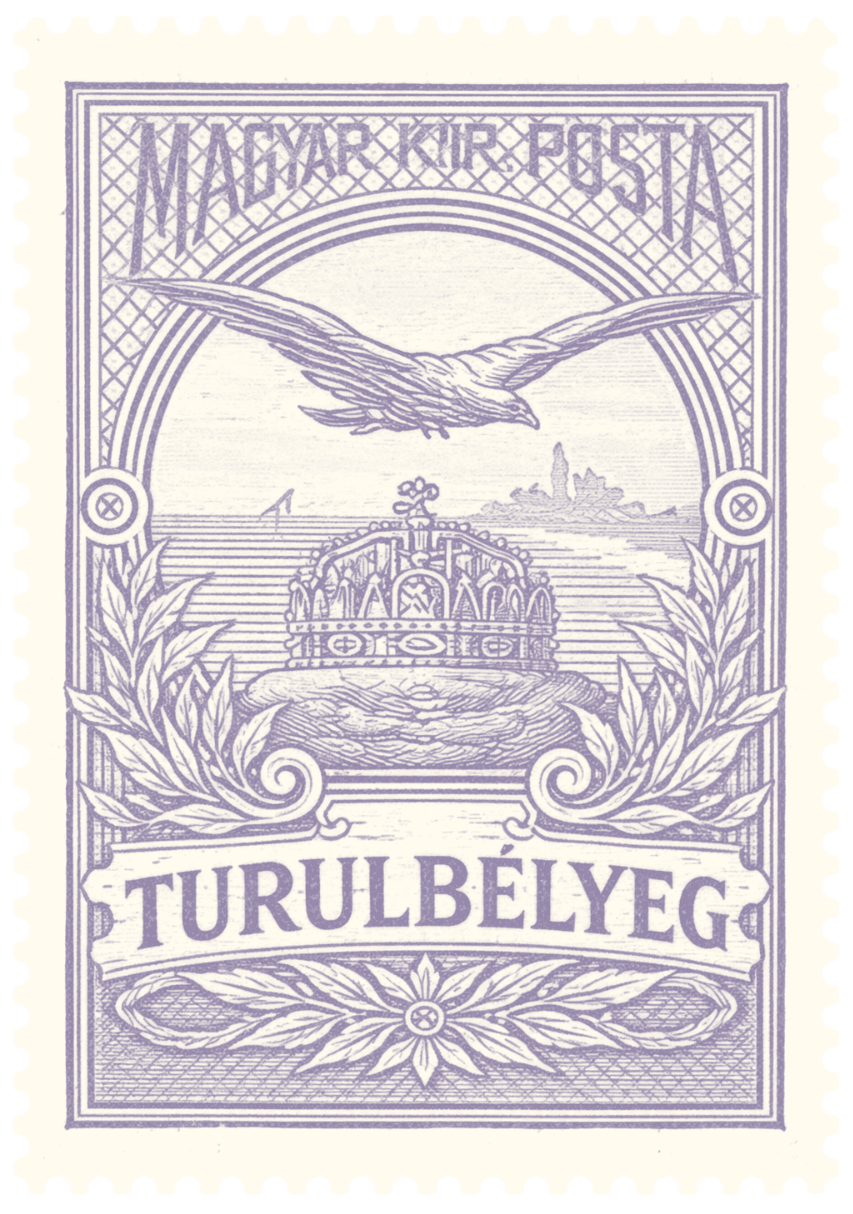
Élénk ibolya
#9689AC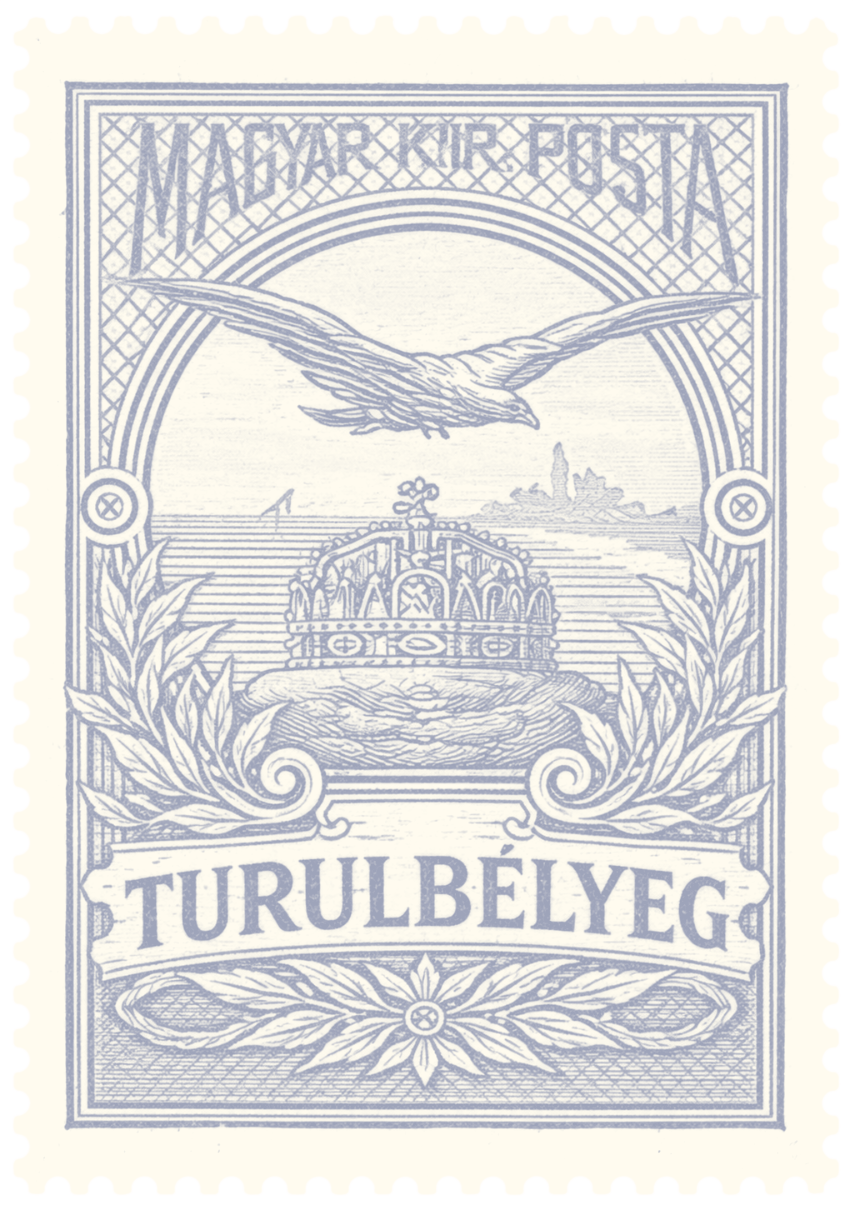
Ibolyakék
#9FA4BBThe HEX code is a digital reference. Display and printing affect the shade you see.
Same design · consistent image size · English and Hungarian names
Levendula
#B8BCC5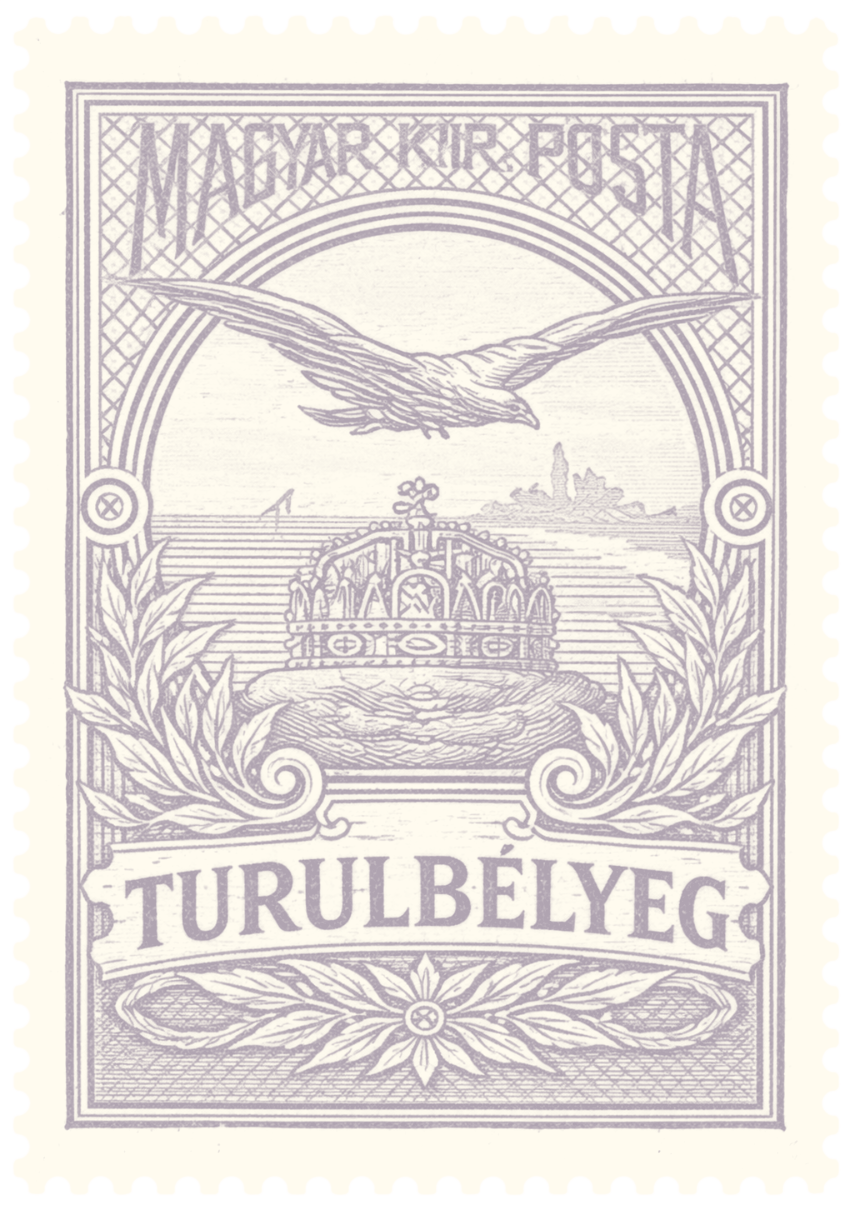
Orgonalila
#B1A4B2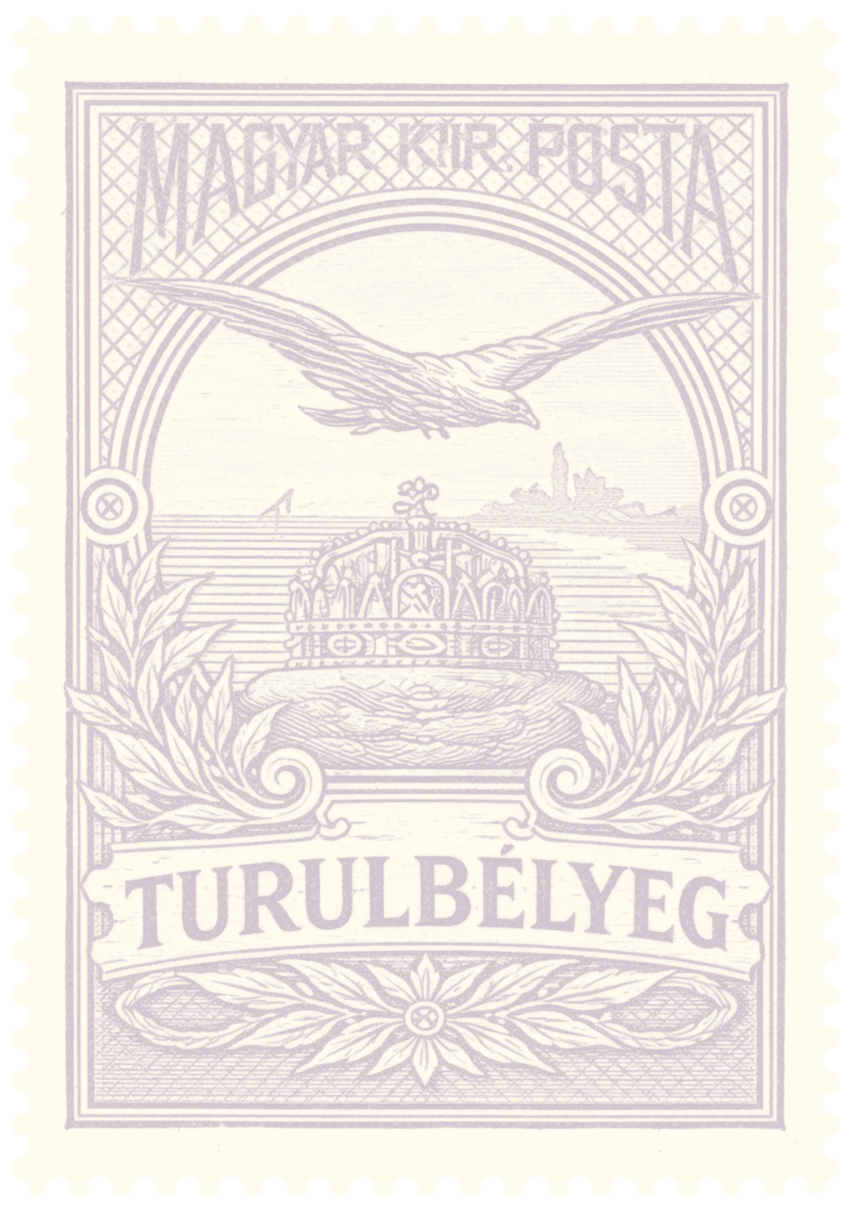
Mályva
#D3C6CF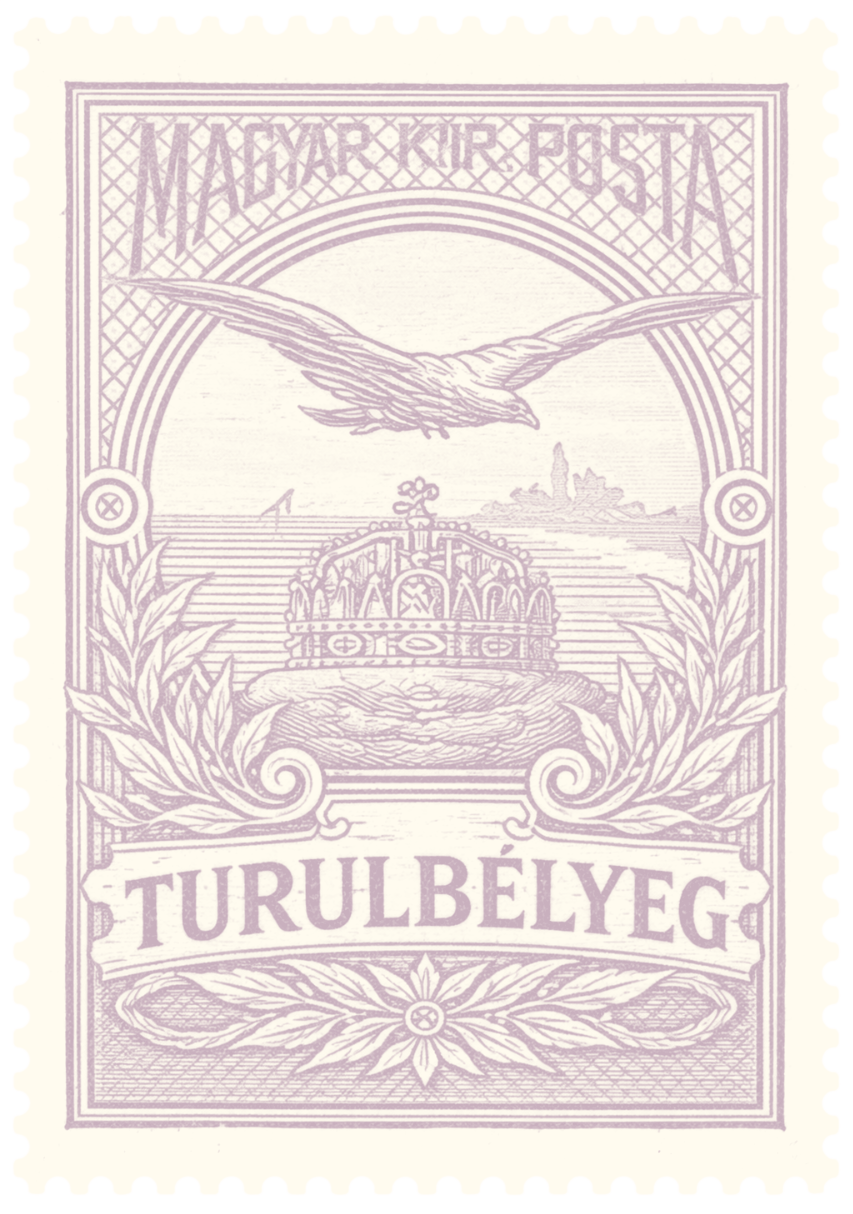
Magenta
#C9B1BF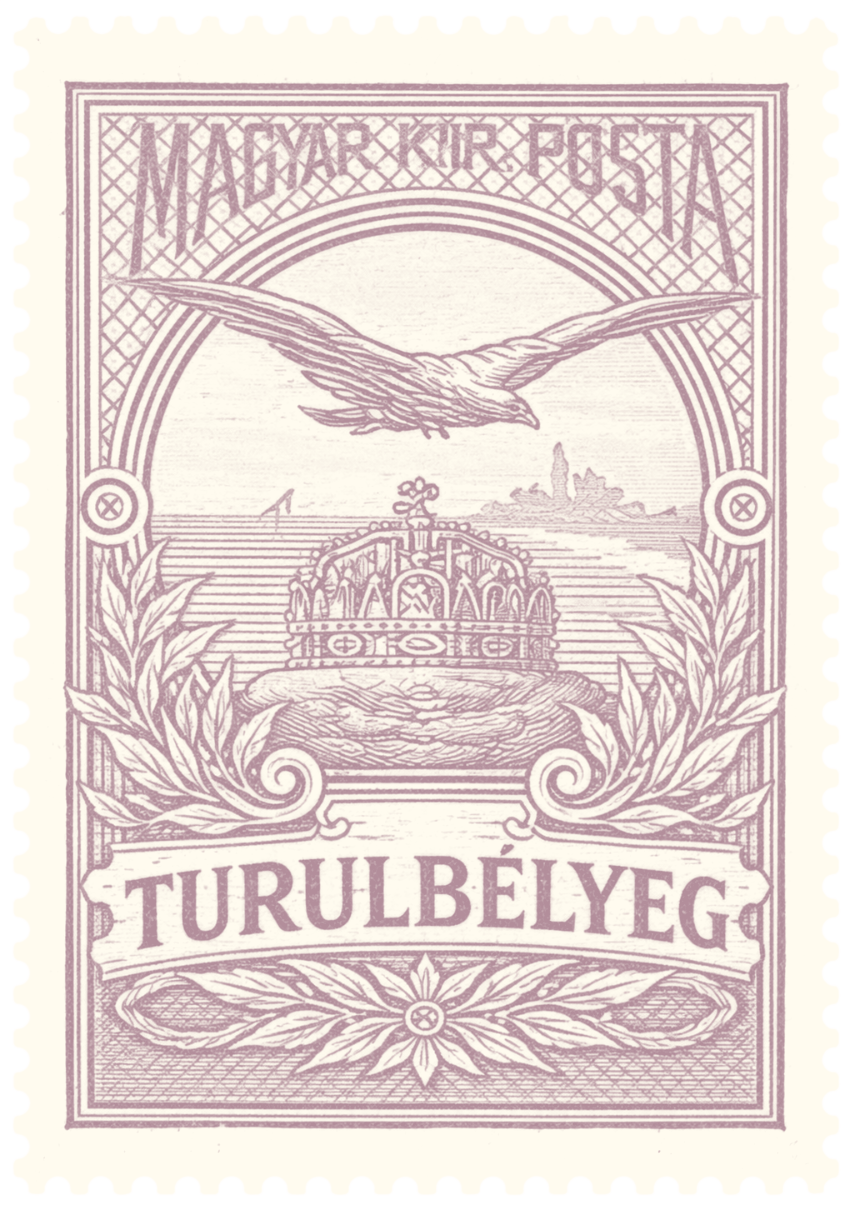
Szolferinó
#B38F9C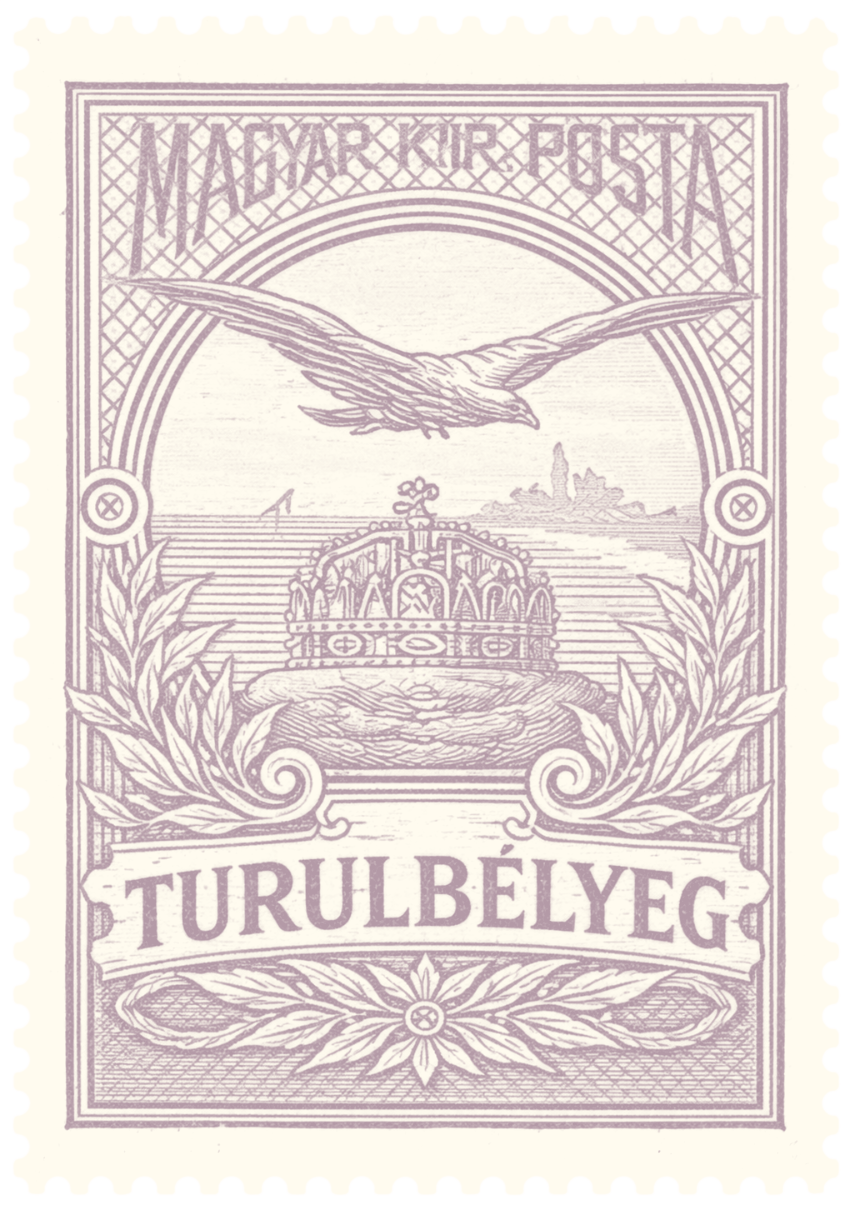
Bíbor
#B59BA8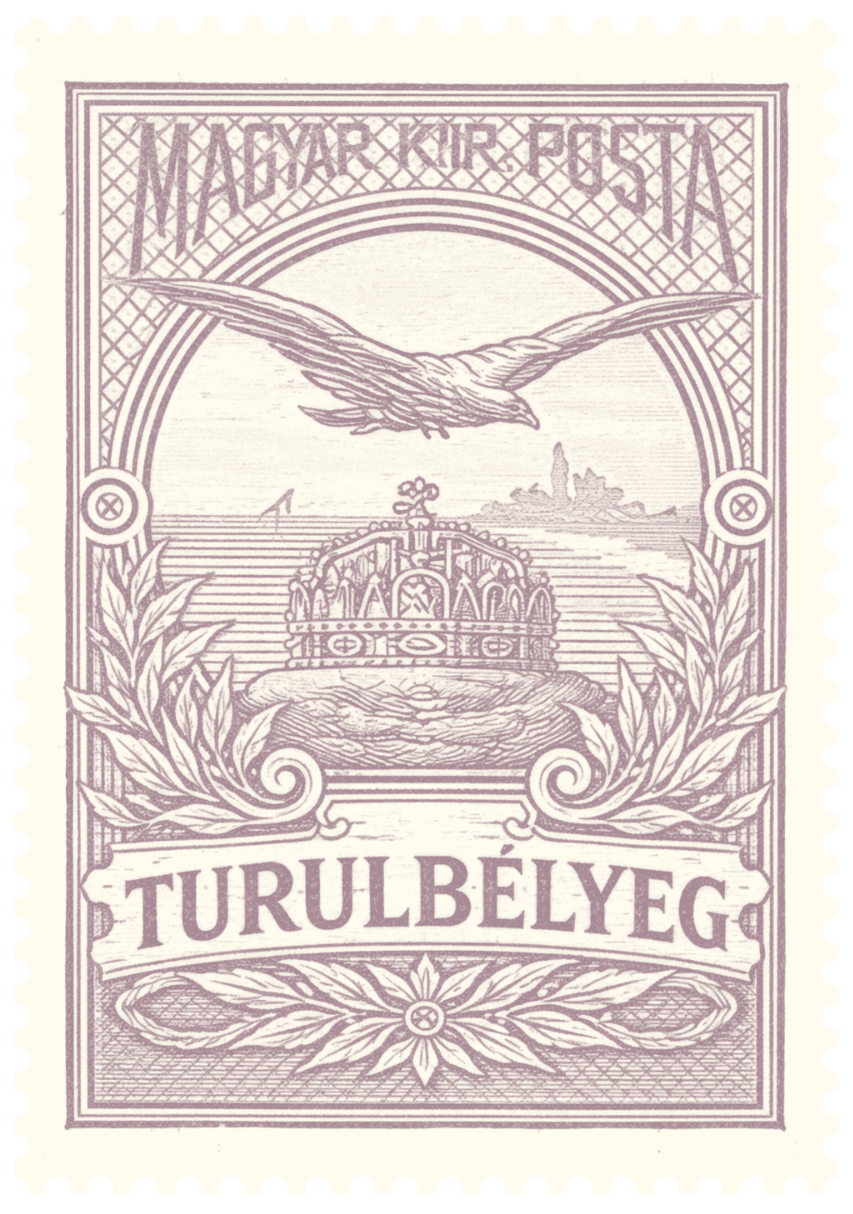
Élénk bíbor
#A98C97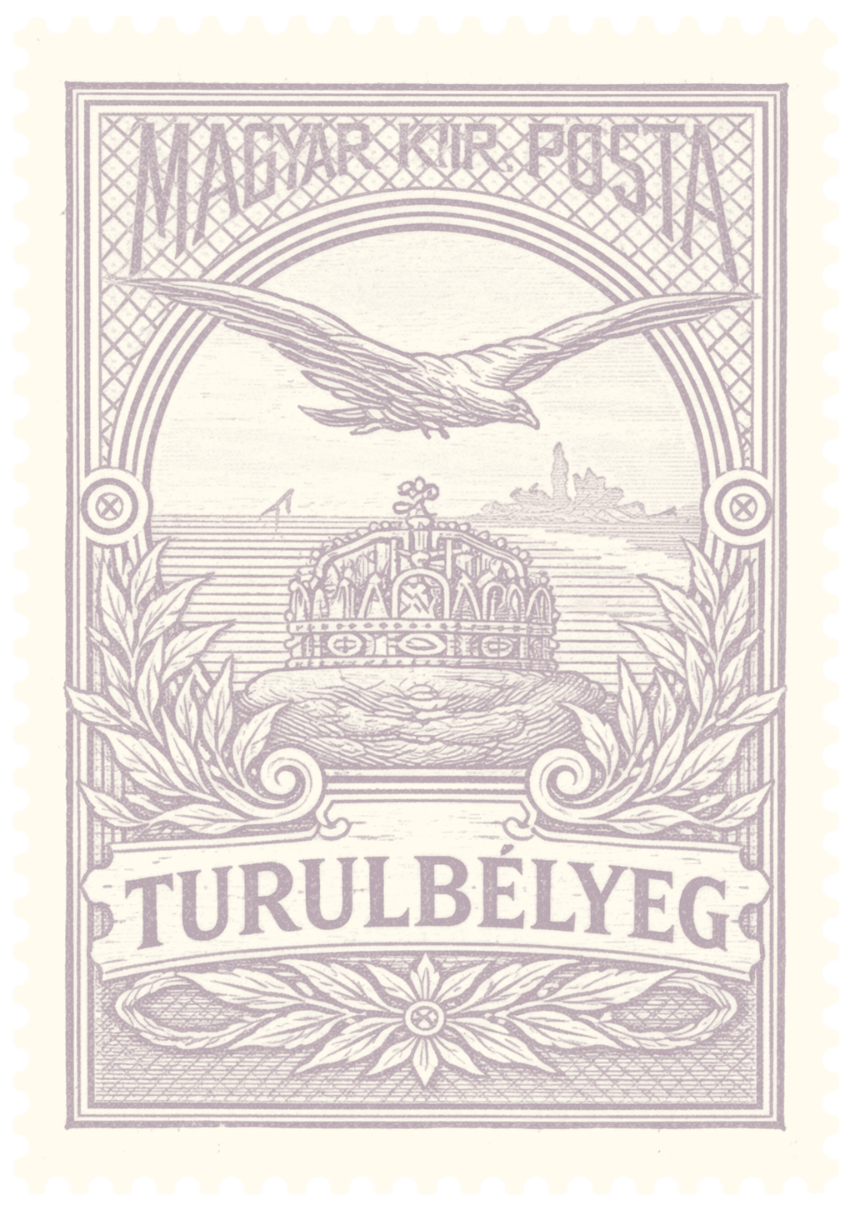
Tompa bíbor
#BCAAB3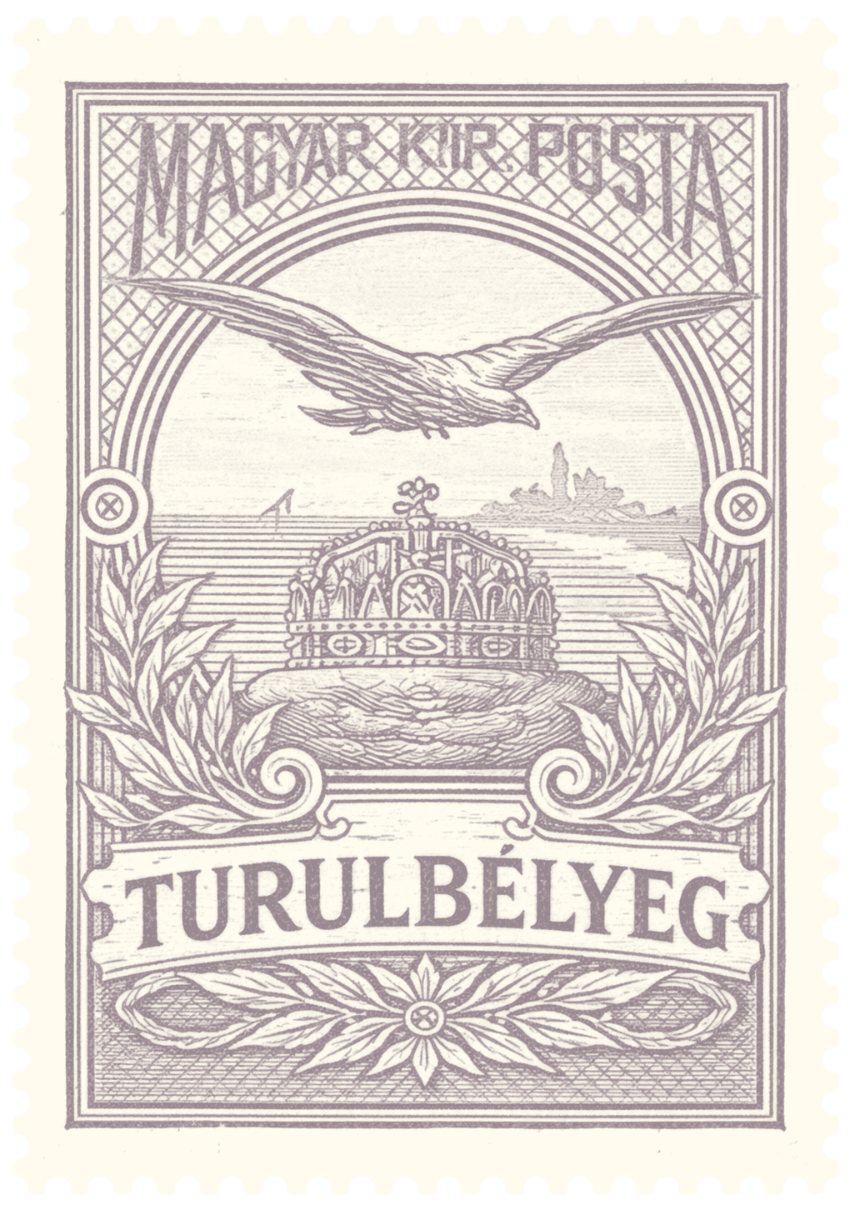
Palás bíbor
#9A8A91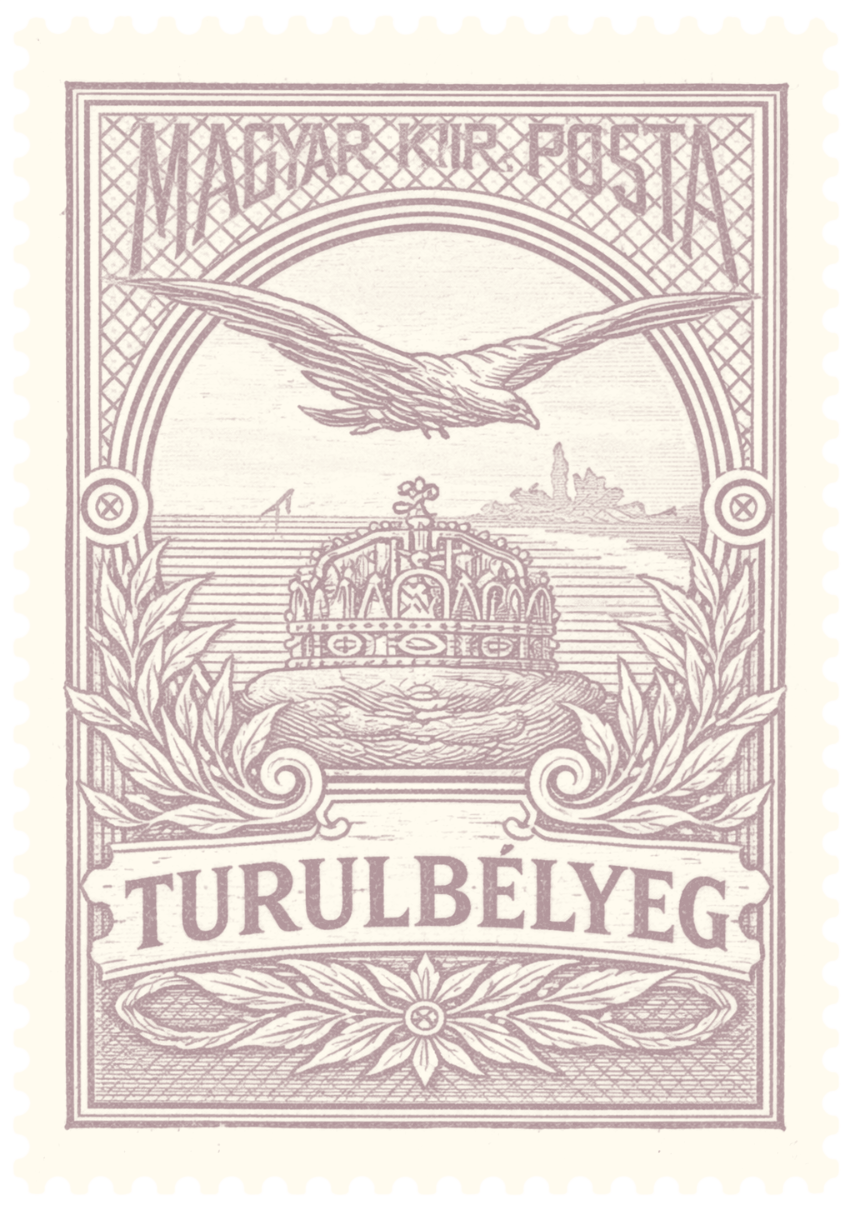
Szilvalila
#B3989DThe HEX code is a digital reference. Display and printing affect the shade you see.
Same design · consistent image size · English and Hungarian names
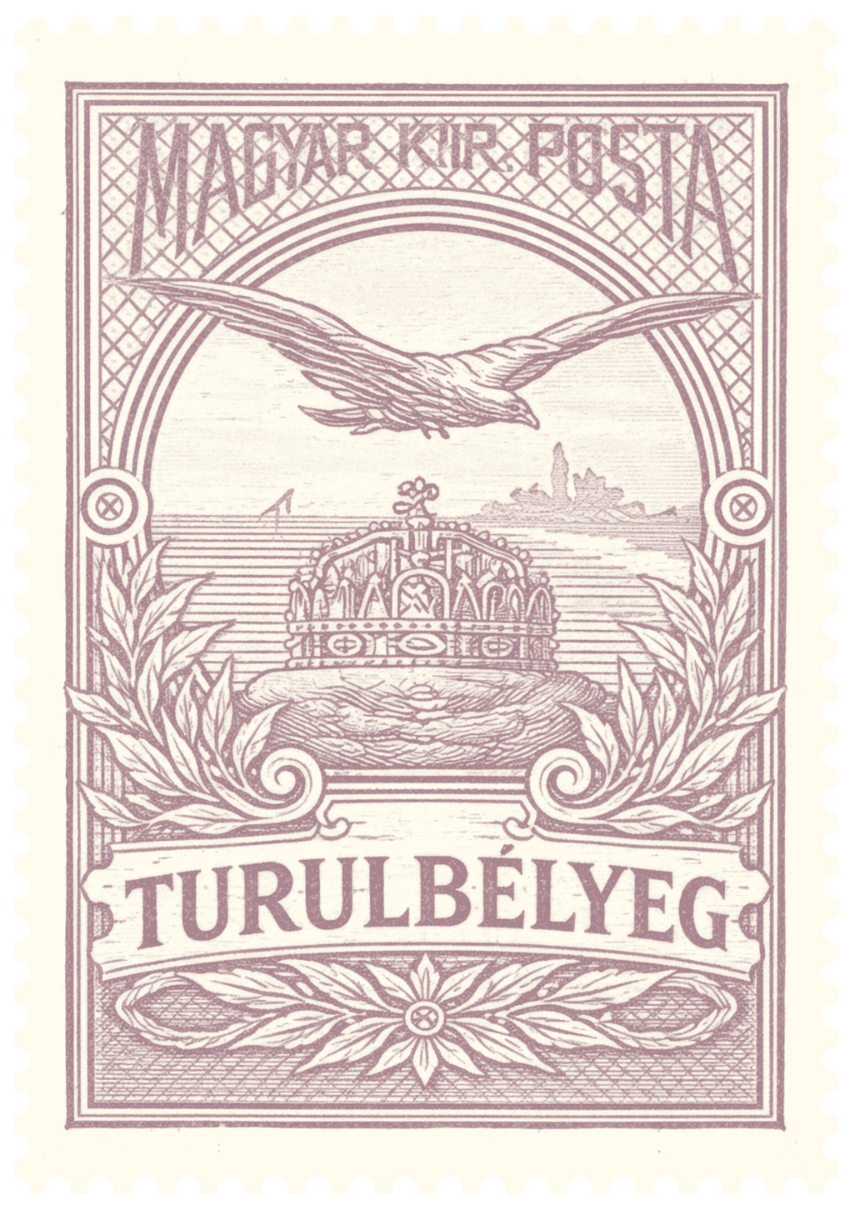
Gesztenyevörös
#AA868F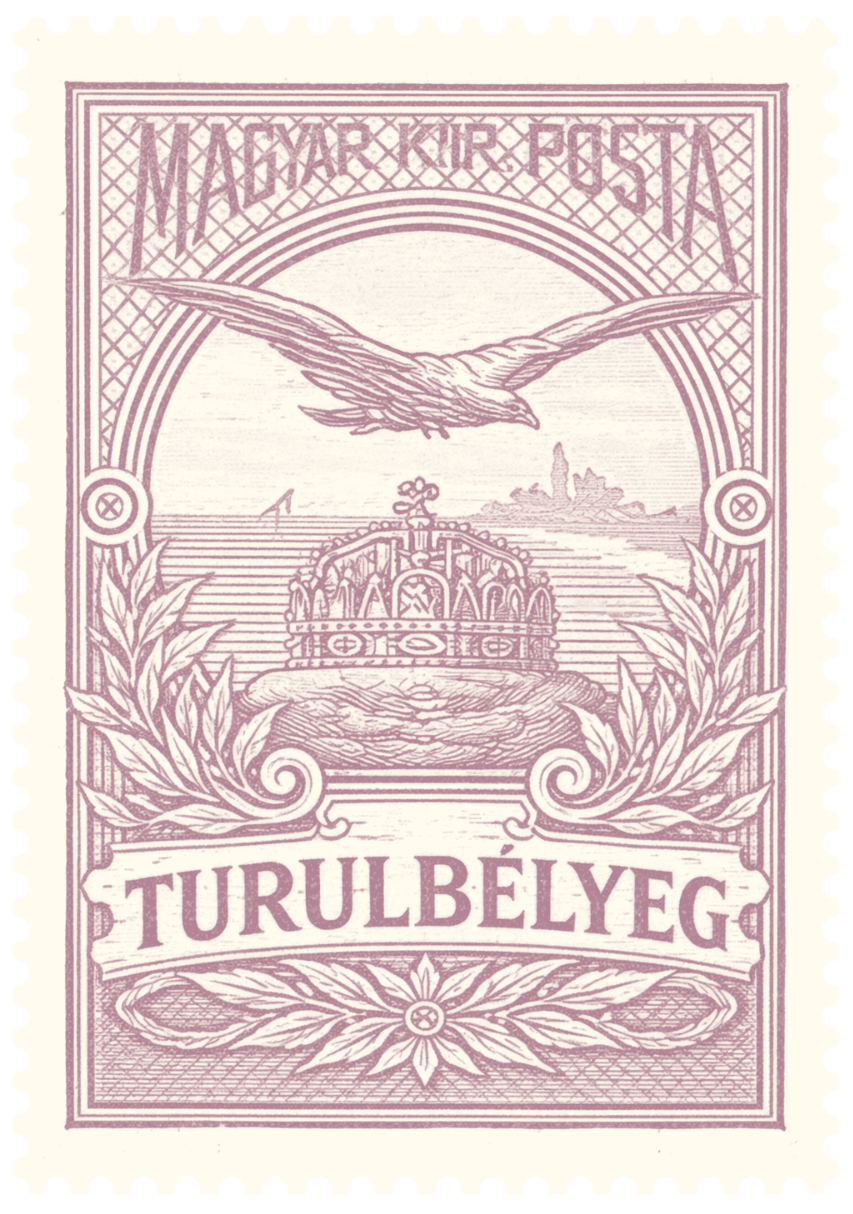
Bordó
#B38595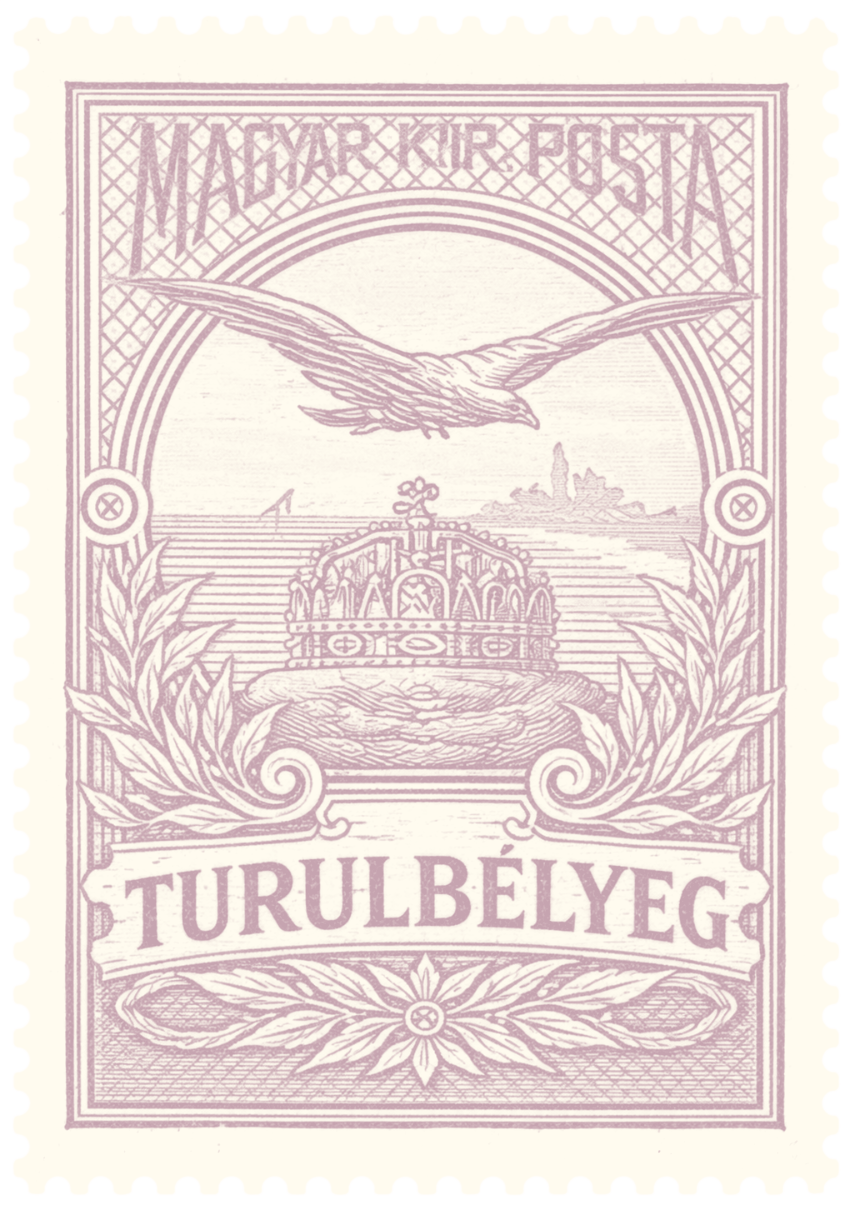
Halvány bordó
#C7A4B0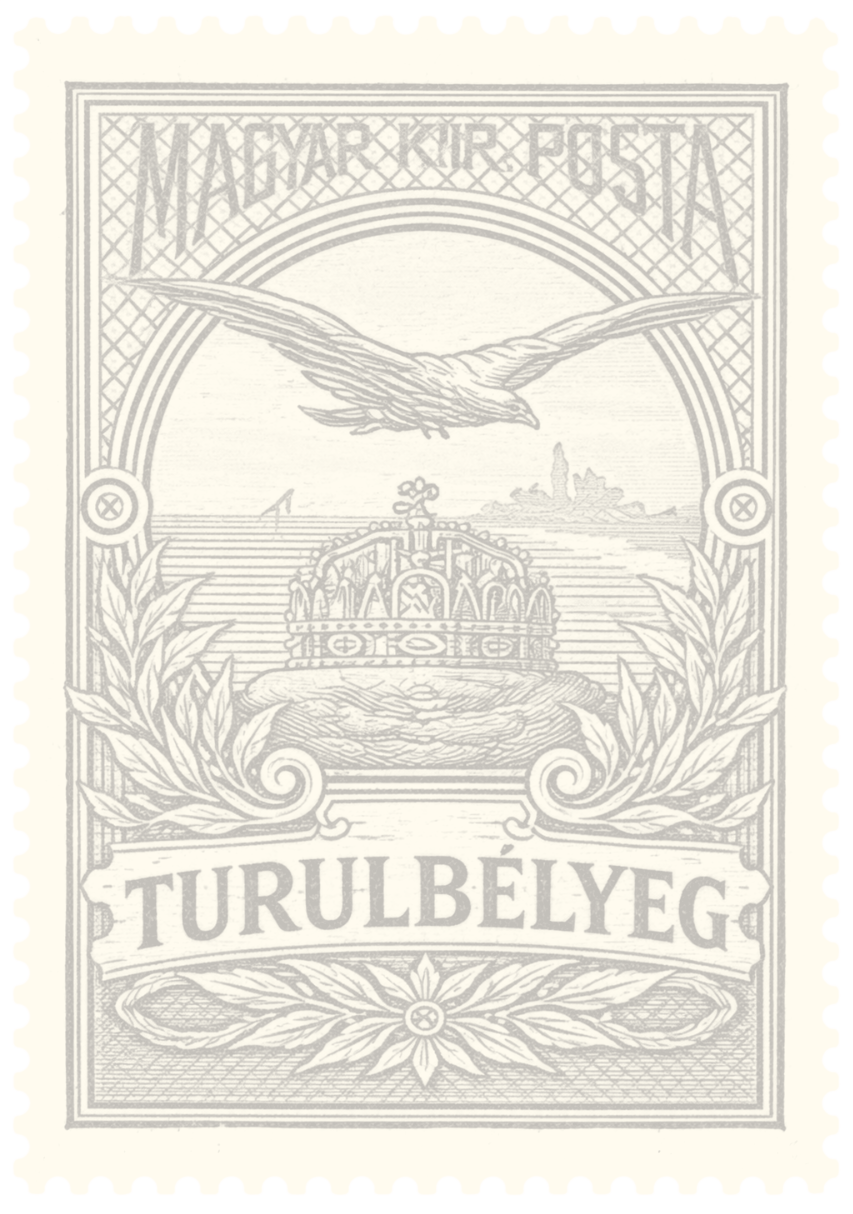
Vasszürke
#C4C0BB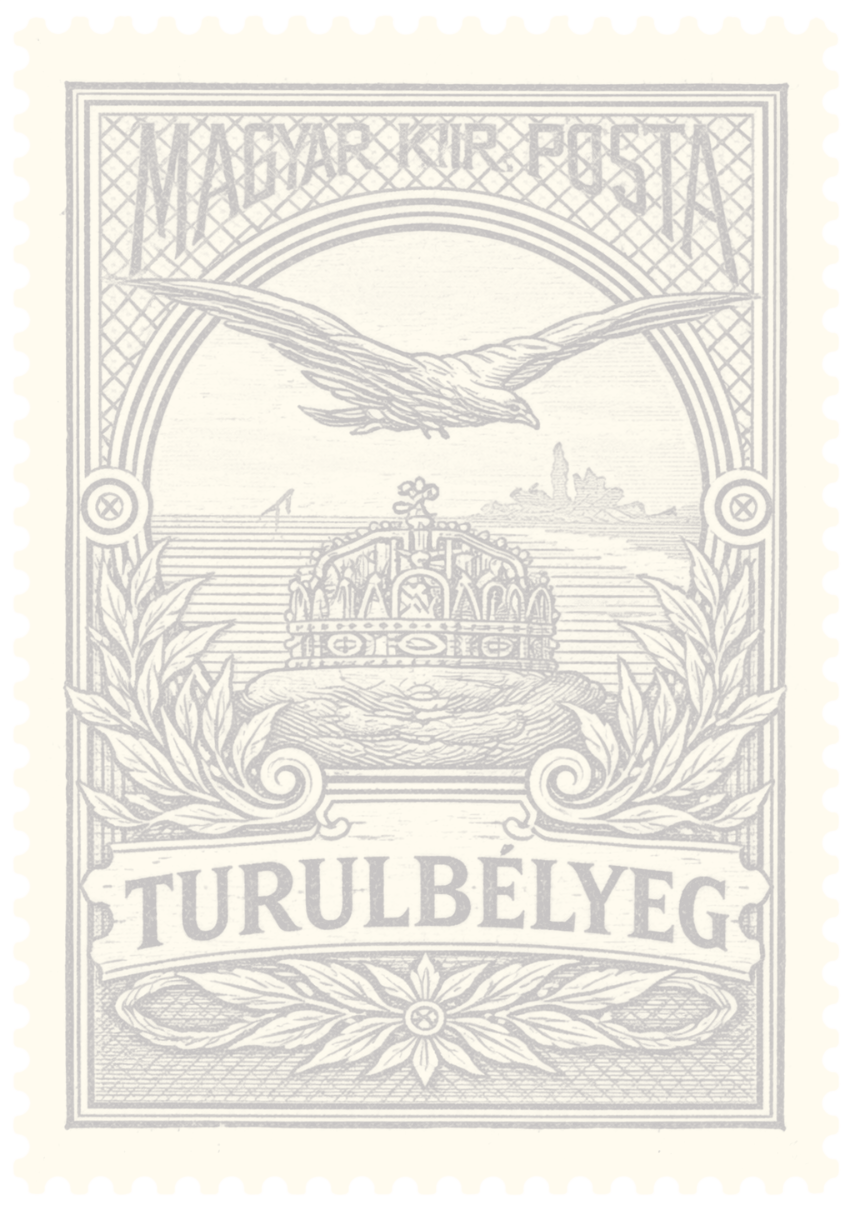
Szürke
#C8C5C4
Gyöngyszürke
#CAC7C4
Palaszürke
#ABB1B0
Palaszín
#84949E
Palafekete
#9B999E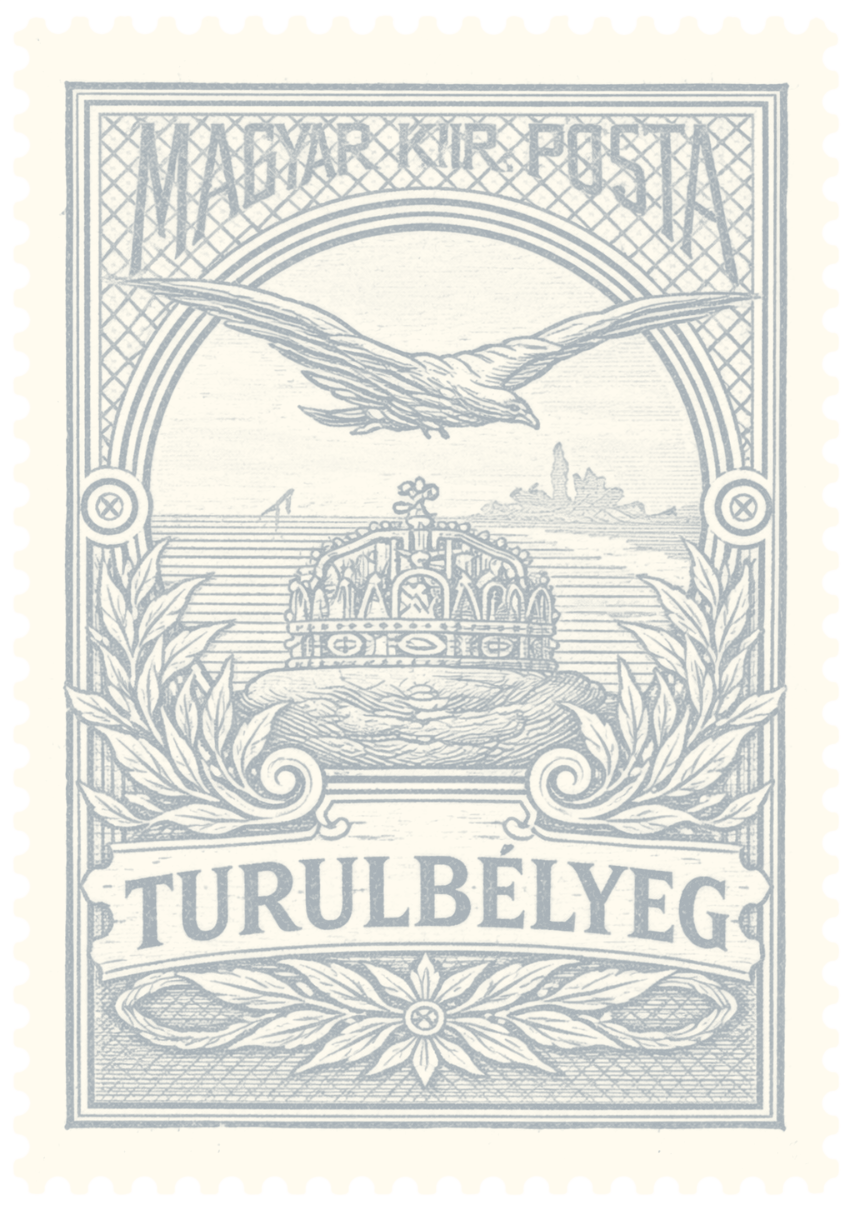
Kékes palaszín
#A9B3B8The HEX code is a digital reference. Display and printing affect the shade you see.
Volume IV of the Monograph of Hungarian Stamps: research and published data on Turul stamps.
TurulBélyeg database: flaw codes, short descriptions, paper types and images collected and edited by the author. The flaw list uses data available at the time of viewing.
Colour catalogue: the existing 100 sample images with their numbers, Hungarian and English names and digital colour values. The English names follow the Stanley Gibbons colour scale used by the author.
The historical production account is an edited version of my own manuscript. Unsupported estimates of surviving quantities and generalisations were omitted to avoid misunderstanding. The viewer uses the website and database and is therefore up to date. Downloadable PDFs are generated in advance and rebuilt separately after database corrections, so minor differences may occur.
© 2027 TurulStamp / Bartha László. Further use of the publication’s data and images is governed by the terms on turulbelyeg.hu.
Flaw codes, observations about paper, colour varieties and further questions.
TurulStampTHE TURULBELYEG.HU ONLINE CATALOGUEYour email is saved in the copy register and printed on the back cover.
turulbelyeg.hu